
 A very interesting math lesson stemmed from a story I read to
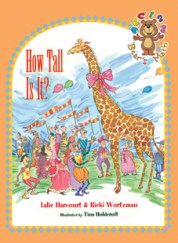 my students about a king who got a giraffe as a birthday gift. The king challenged his townspeople, offering a reward to the first person who would be able to tell him how tall his giraffe was. The people set off to measure the giraffe in whichever way they could – none of the attempts were successful. Every failed try served as a great lesson about measurement do’s and don’t’s.
How Tall is My Giraffe?
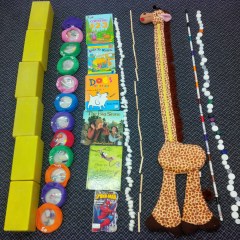 After extracting important math concepts from this adventurous story, I introduced students to a giraffe of my own (my children’s old plush growth chart). I posed the same question to an eager-looking bunch (there was no gold incentive on my end though). With just enough direction, I let students explore solutions to this problem during Learning Centres time. Students showed remarkable interest in this challenge and began gathering all kinds of objects to use as measurement tools.
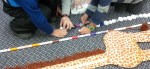 Before long, the carpet was filled with various
 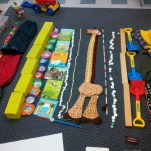 objects: building blocks, popsicle sticks, snow pants, jackets, bottle caps, books, markers, etc. Students were so excited, they even suggested using me as a measuring tool. How could I say no to that? After a few chuckles and excited cheers, we sat
 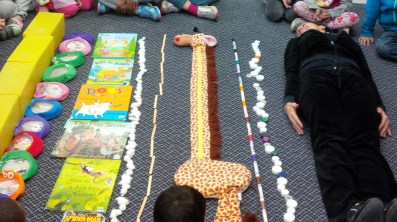 down to reflect on our findings, which ultimately led to another great inquiry question? Why did we need so many cotton balls yet such few blocks? How does the size of the measuring tool affect the measurement?

 Hello everyone. I hope you had a restful March break and are excited about the week ahead. I’d like to share a poem I wrote a little while back titled,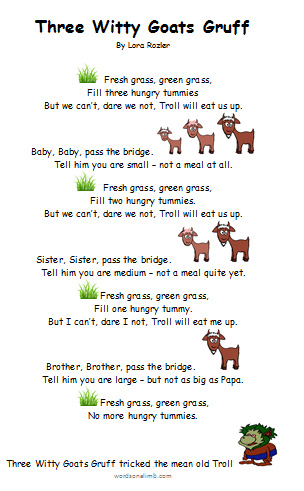

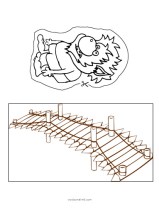
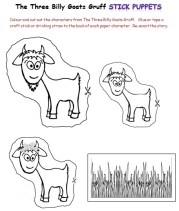 One of my students favourite follow-up activities was to re-enact the poem using stick puppets. It is a wonderful way for them to practise retelling the story and have fun while doing so. Some benefits of using stick puppets to teach literacy include strengthening oral vocabulary, acting in role, building comprehension, retelling a story in sequence, and recalling details.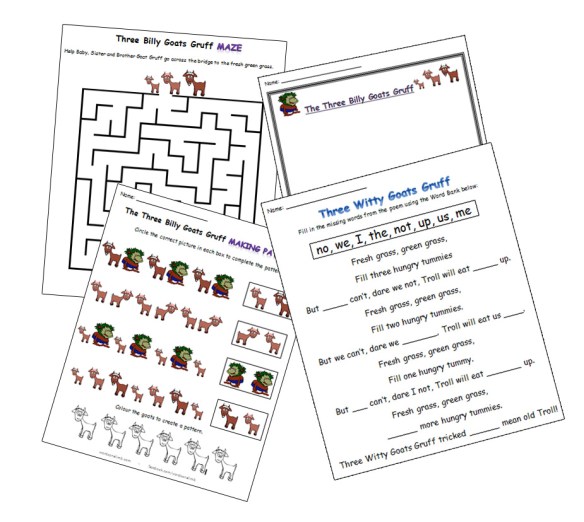



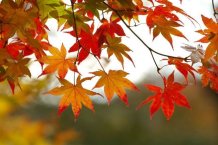
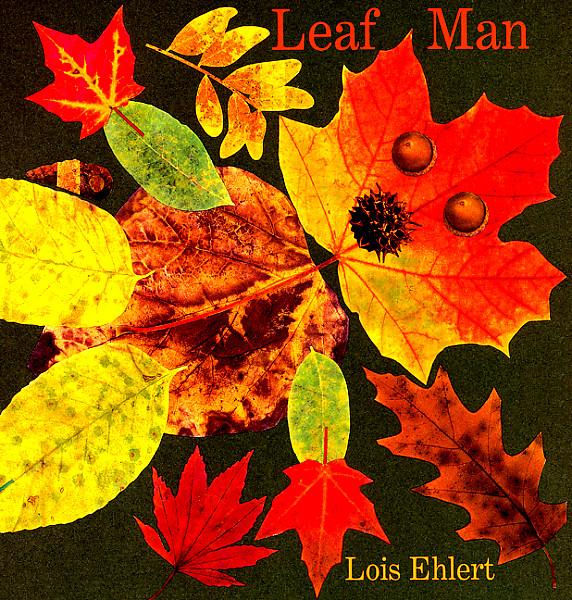
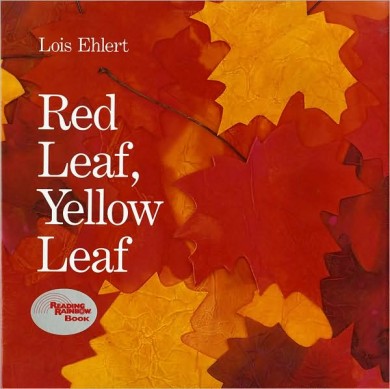
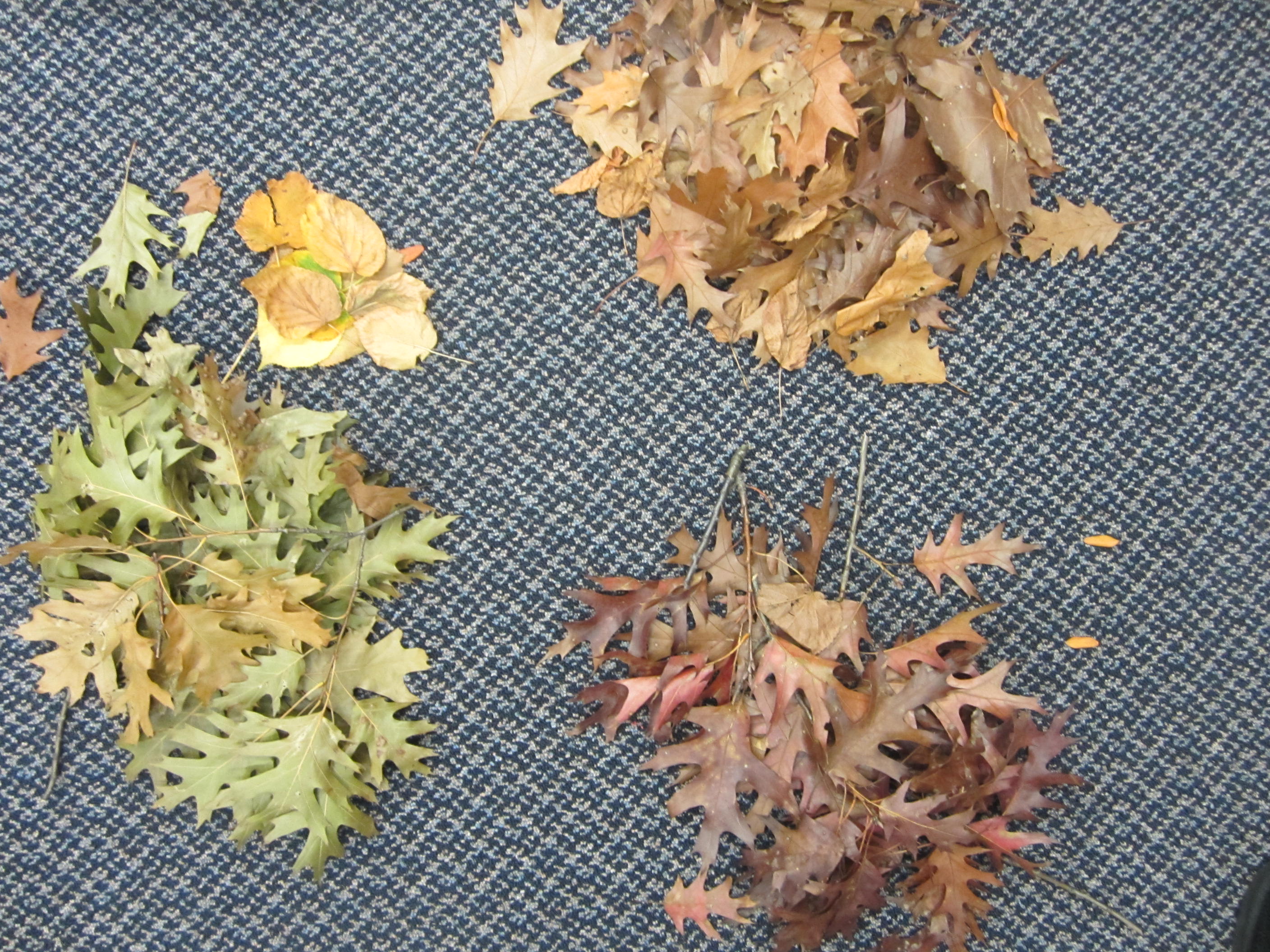
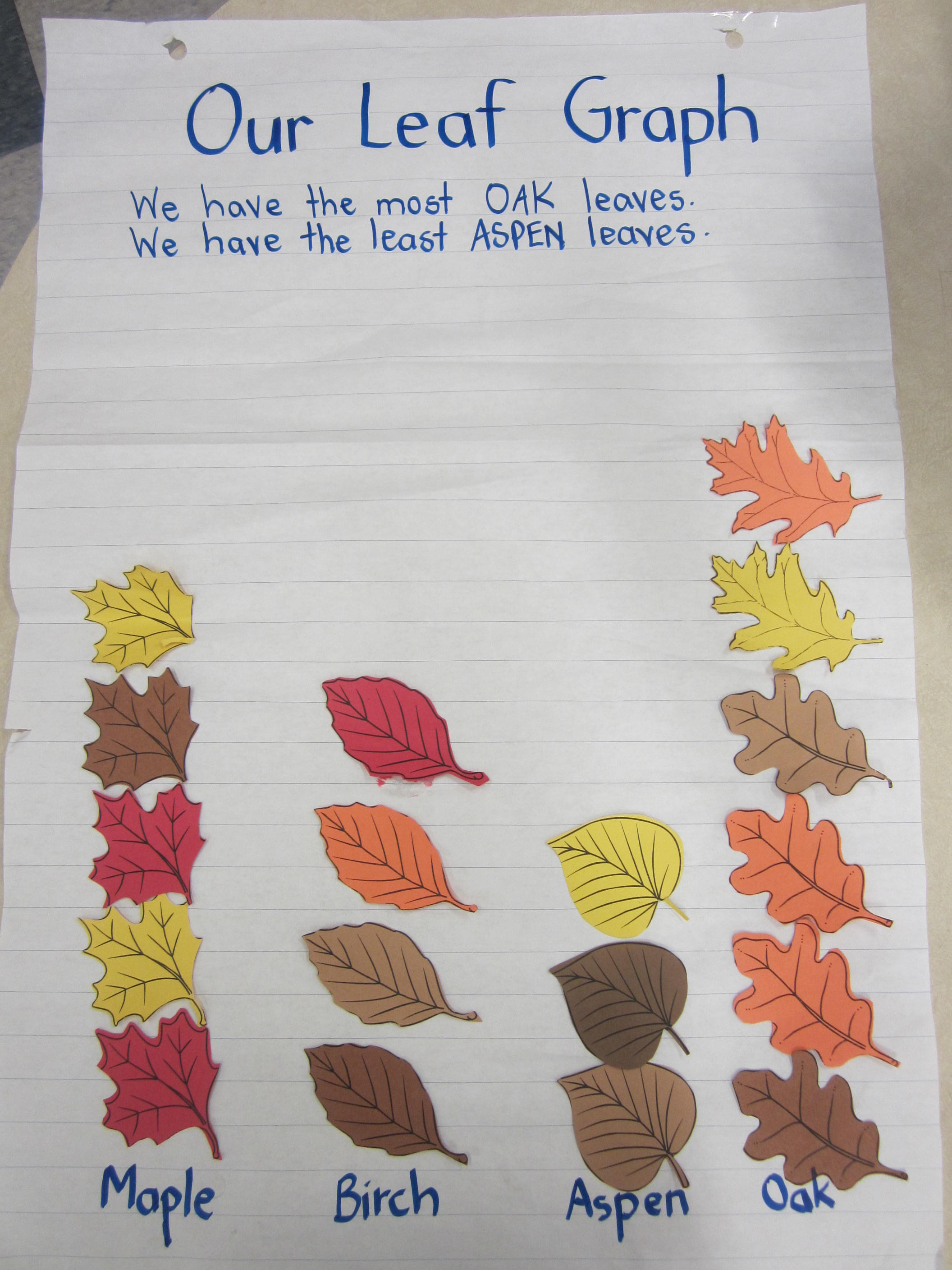
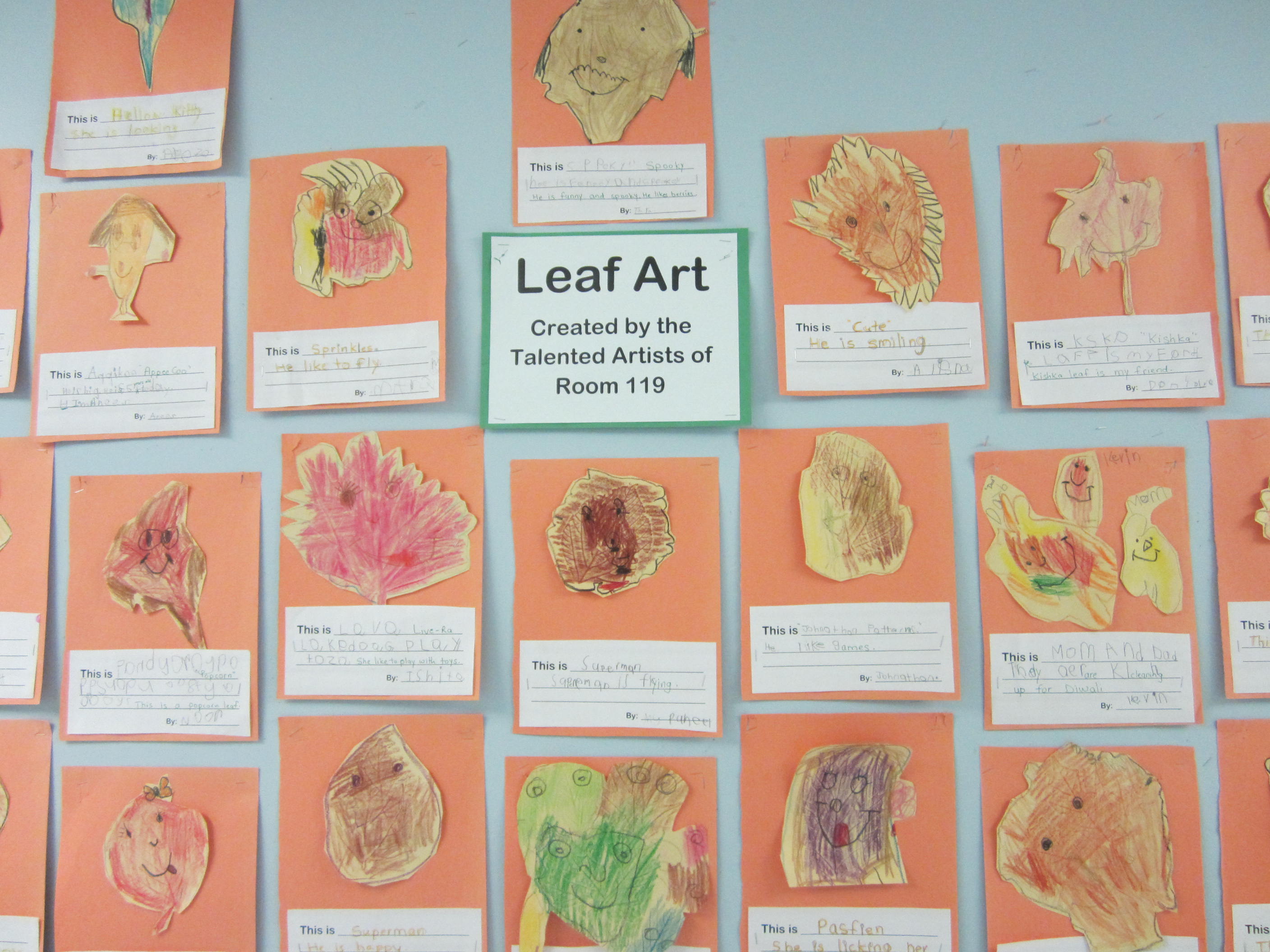
 We began our exploration by taking an investigative walk around the school yard, looking for evidence of Fall. Among the many things we observed, students marveled at the beautiful, colourful leaves everywhere; leaves of different shape, size and colour.
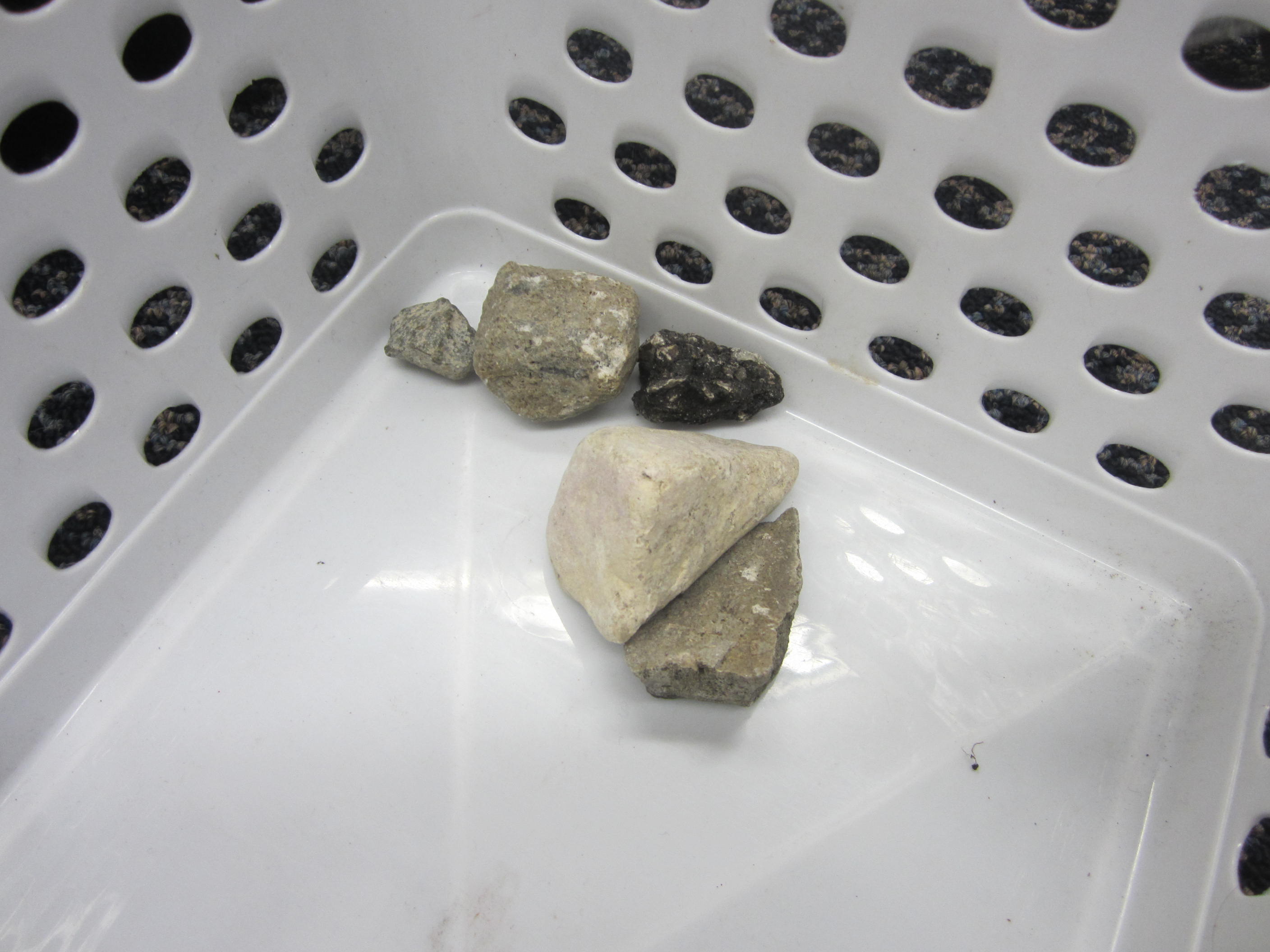
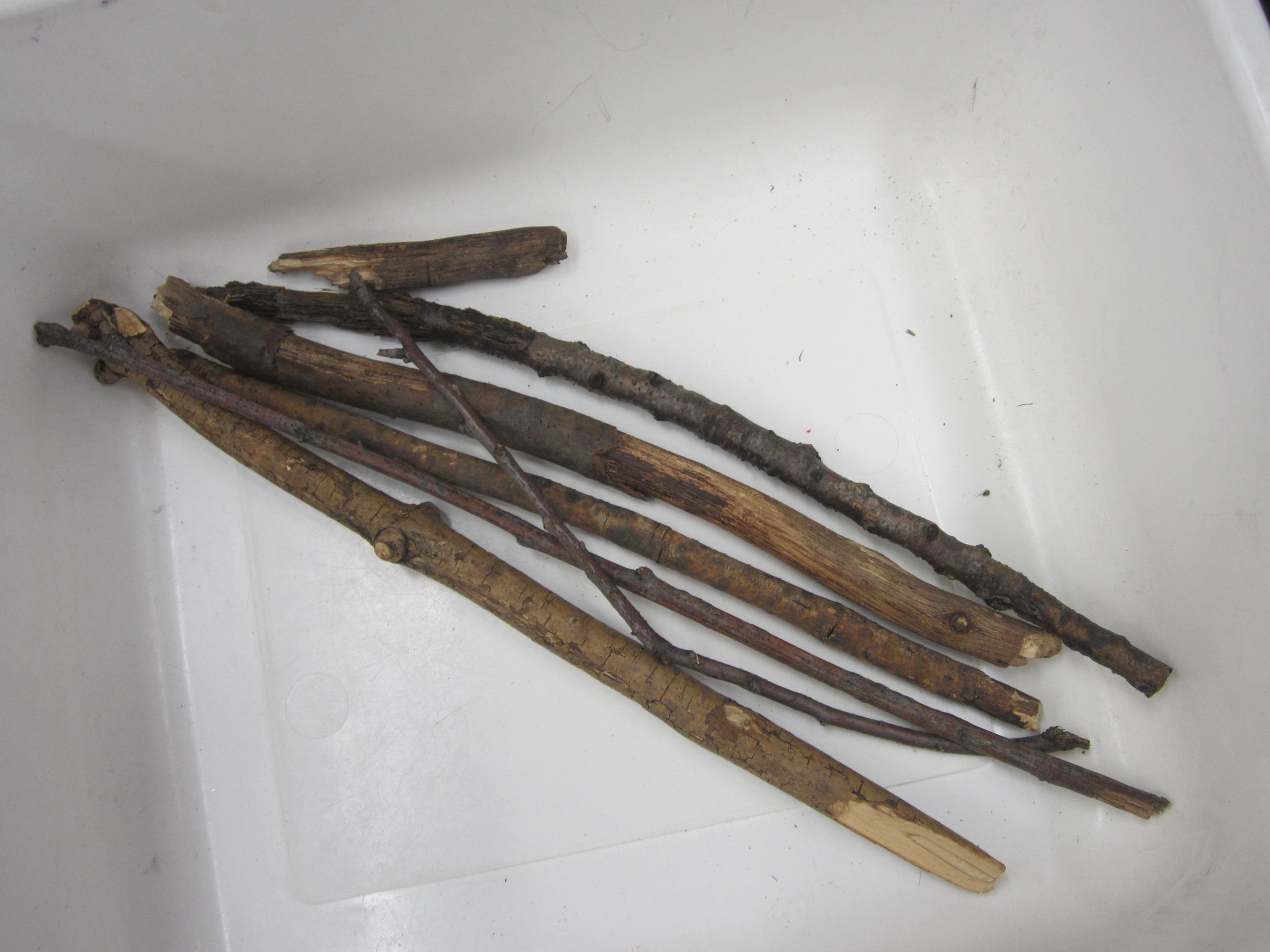
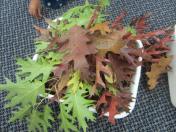 As with any great investigation, we had to gather specimens to bring back and explore further in our classroom – red leaves, yellow leaves, big leaves, little leaves, oak leaves, maple leaves, and what’s this – acorns, pine cones, flowers, twigs and rocks – all were welcomed.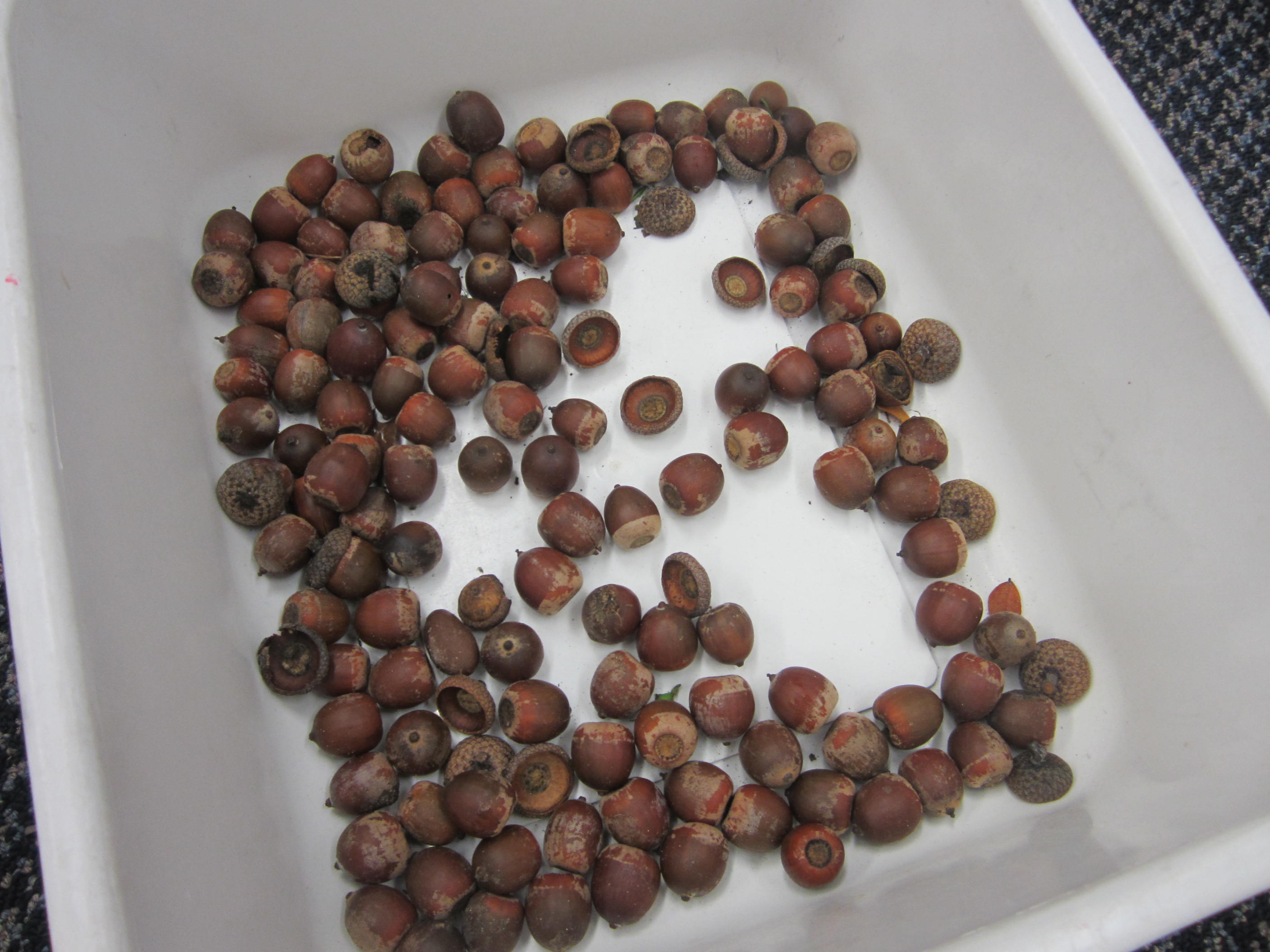

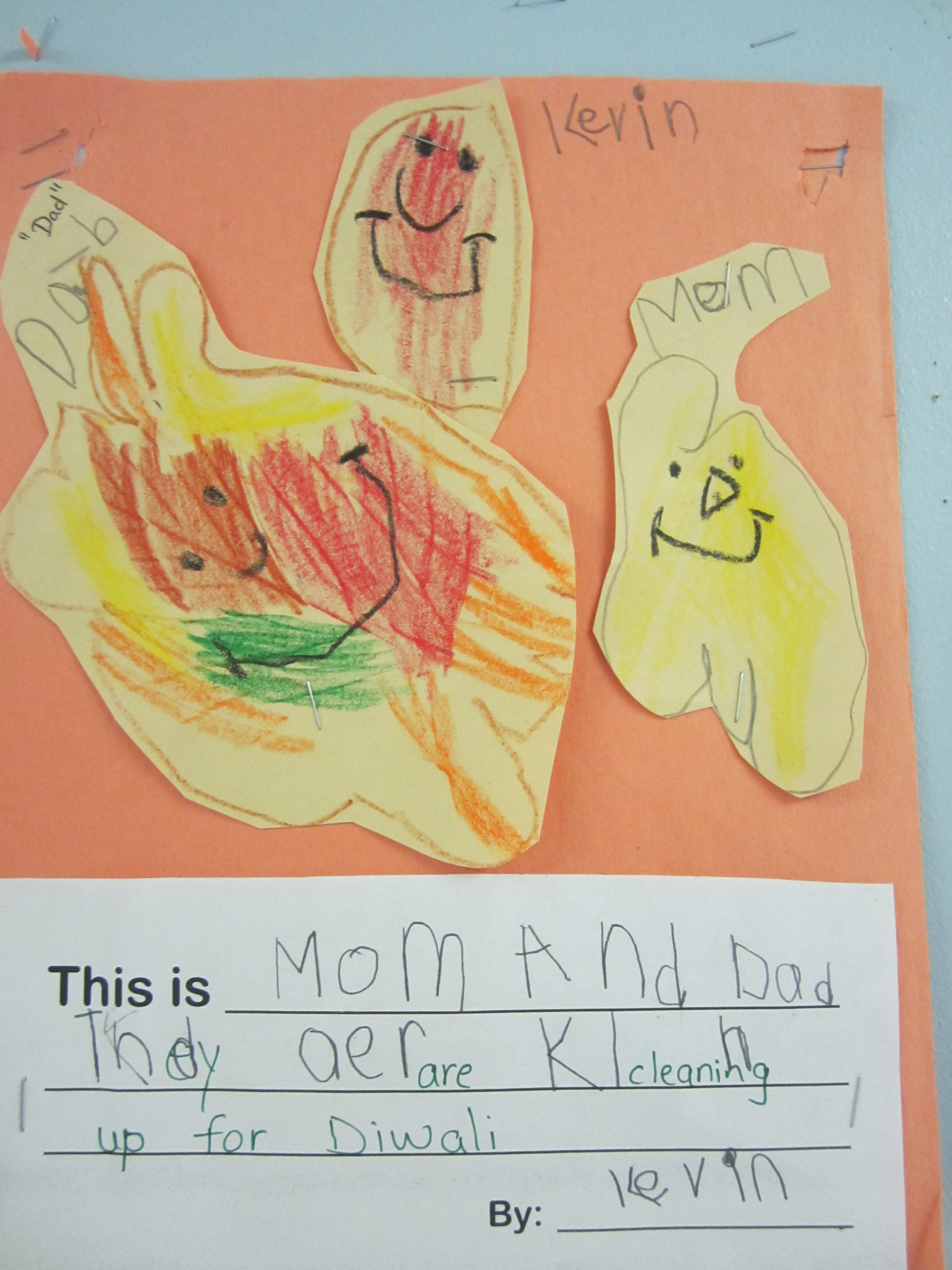
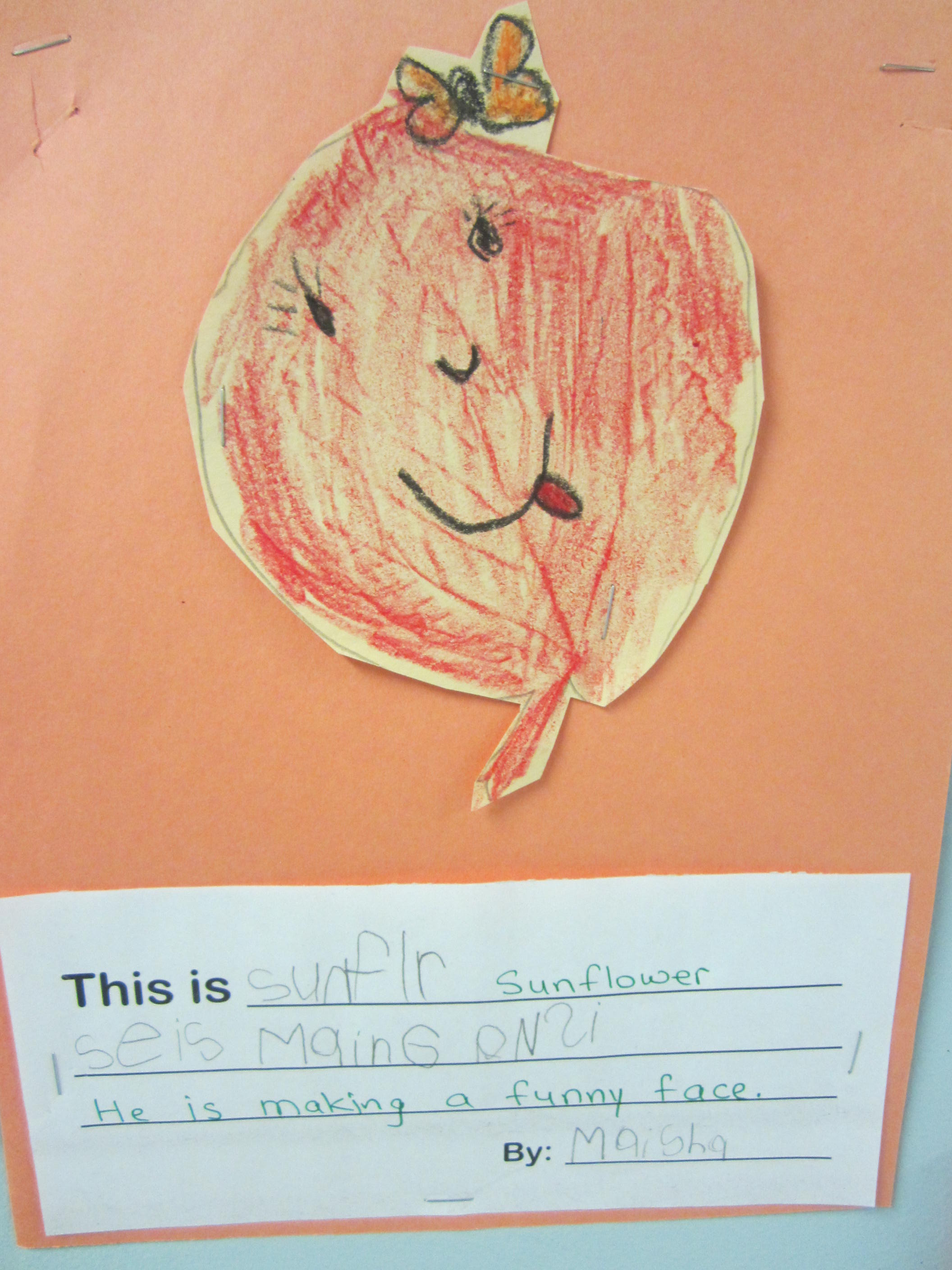
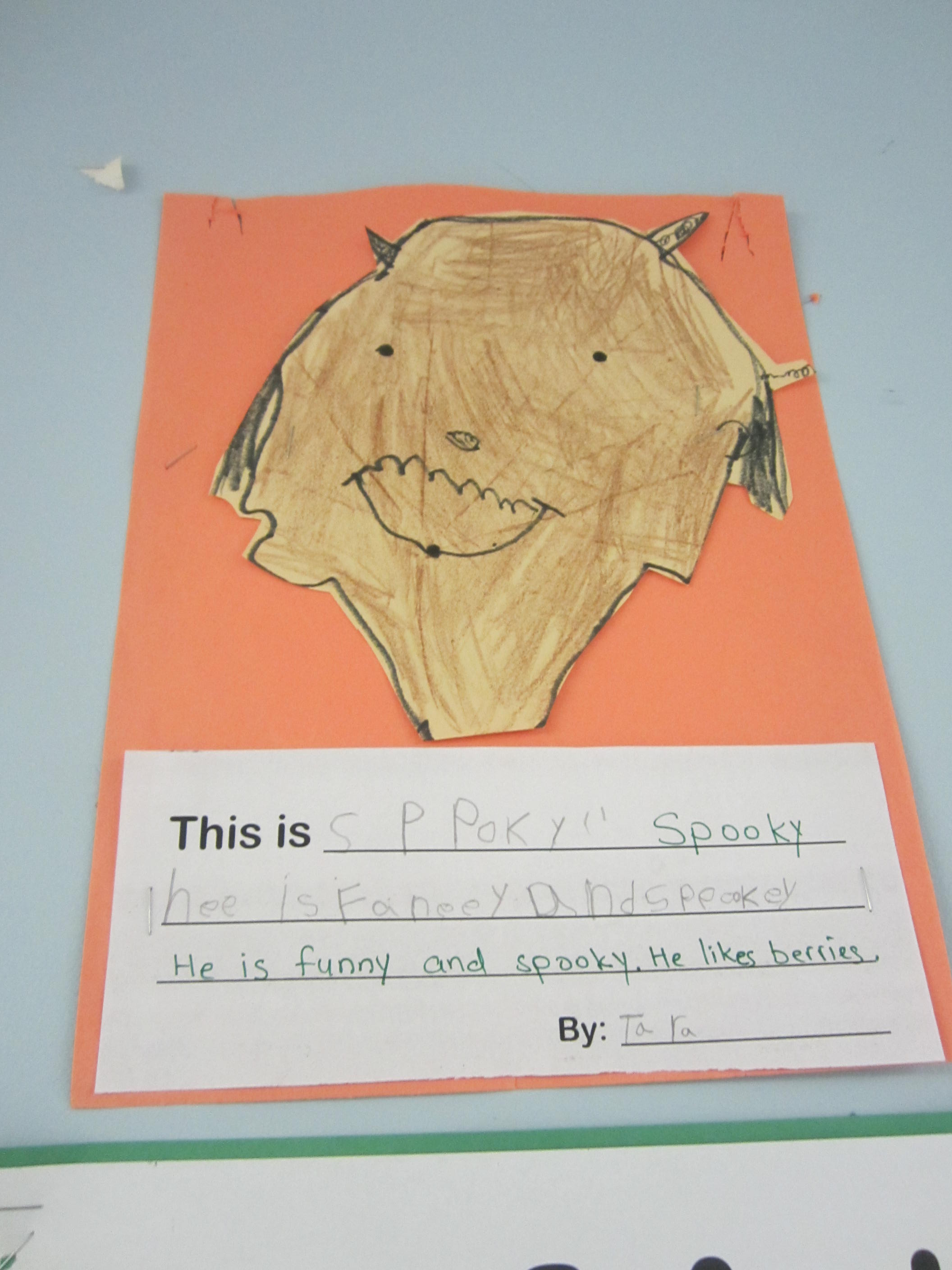
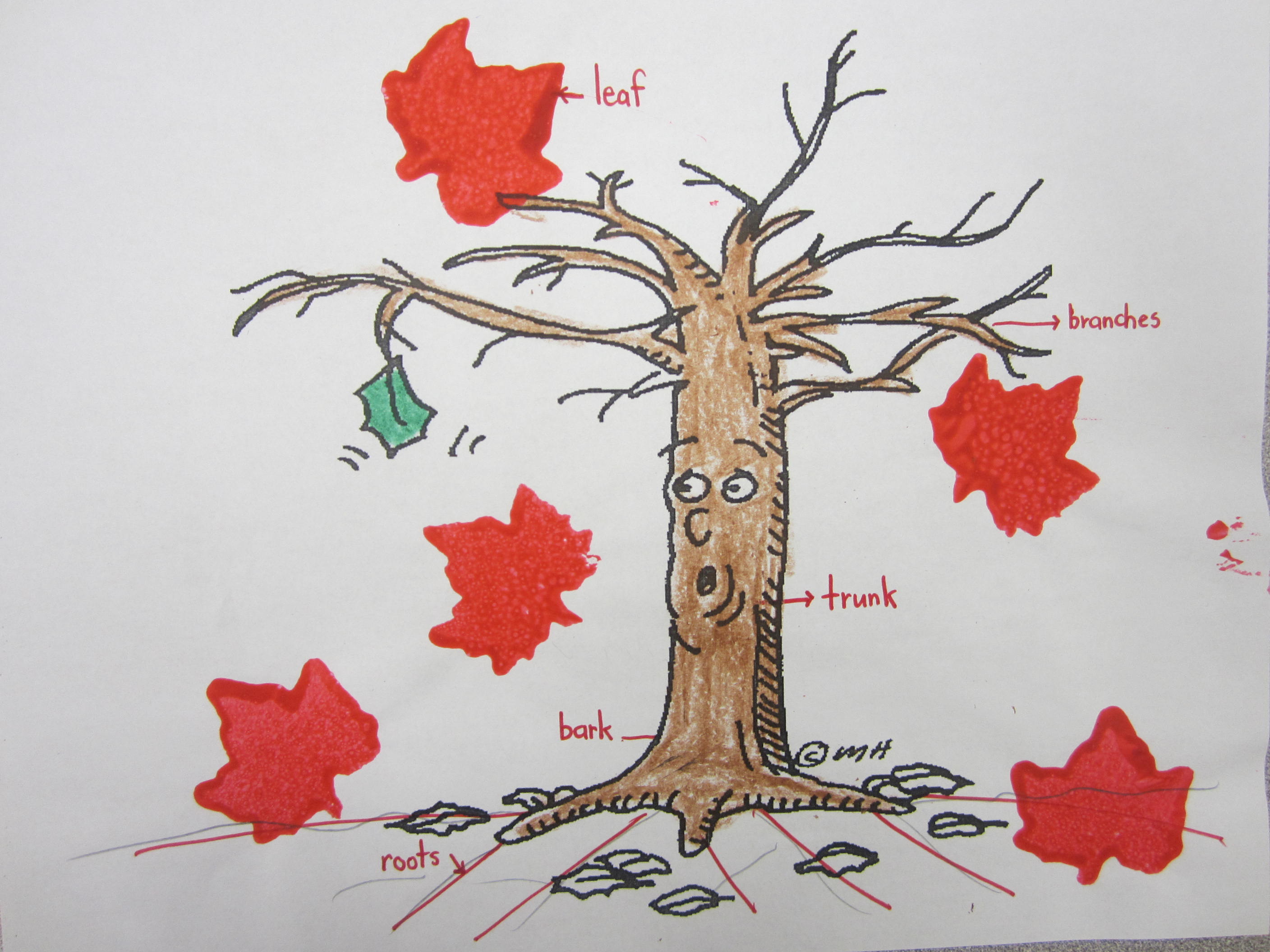
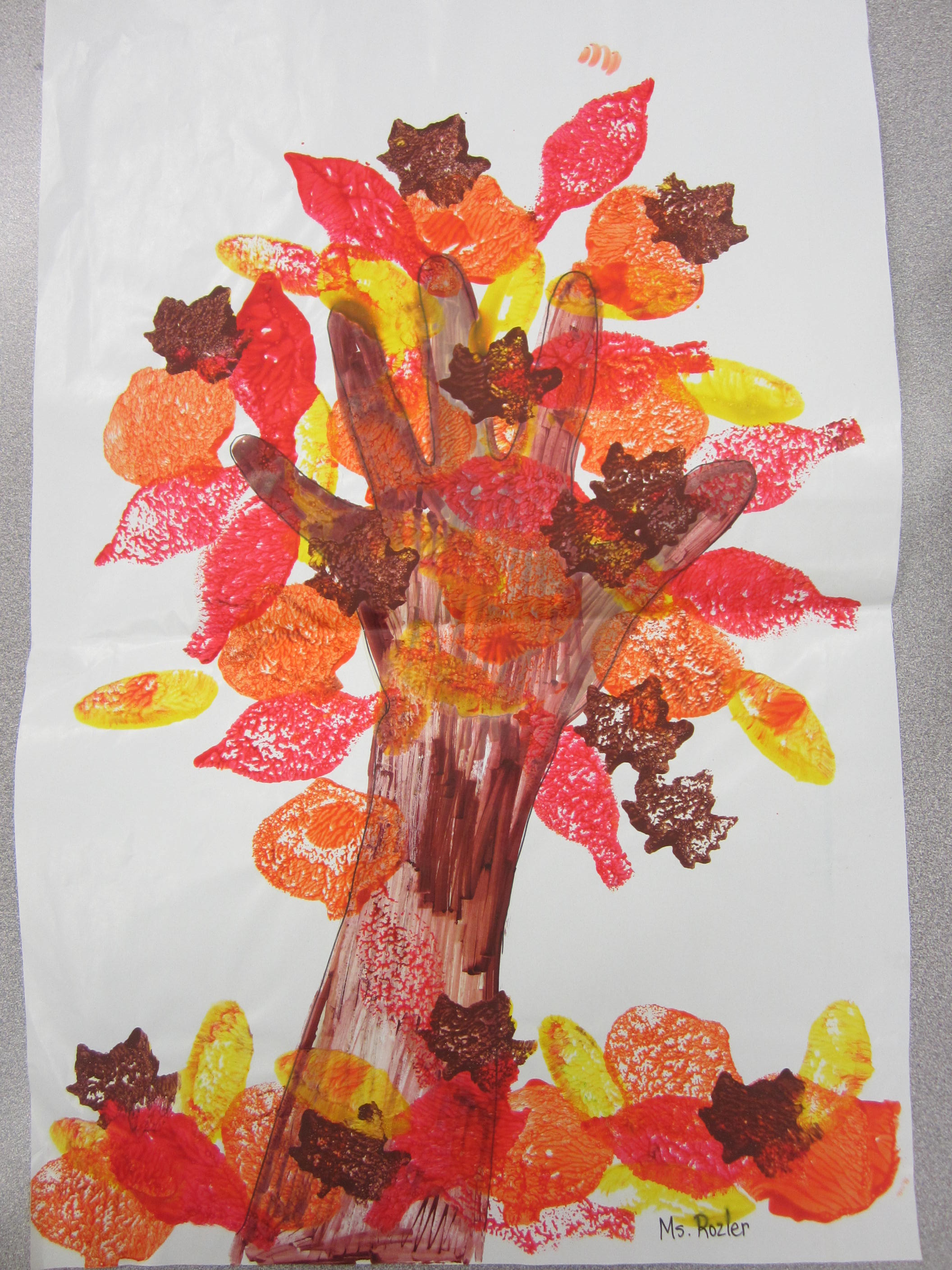
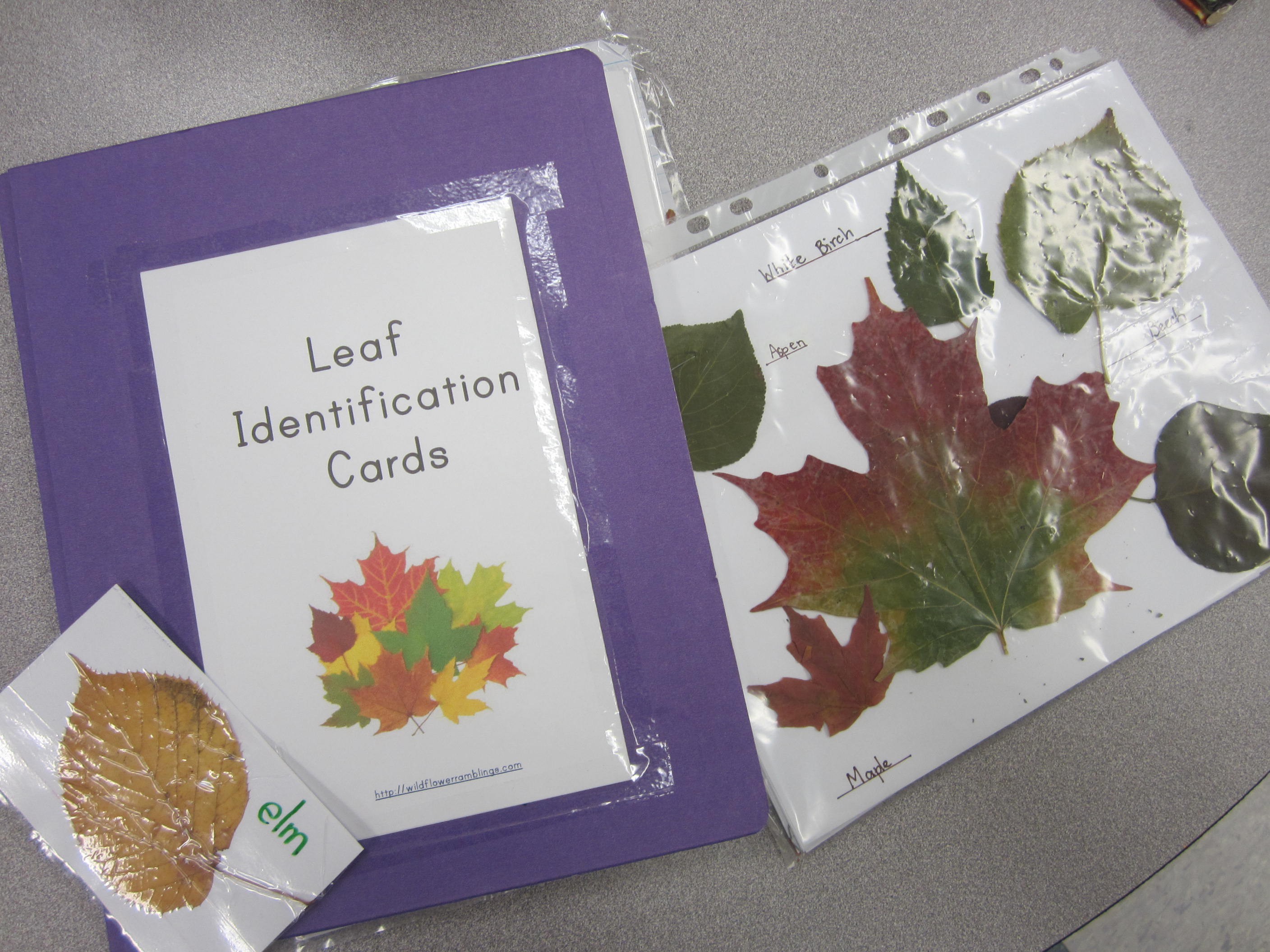
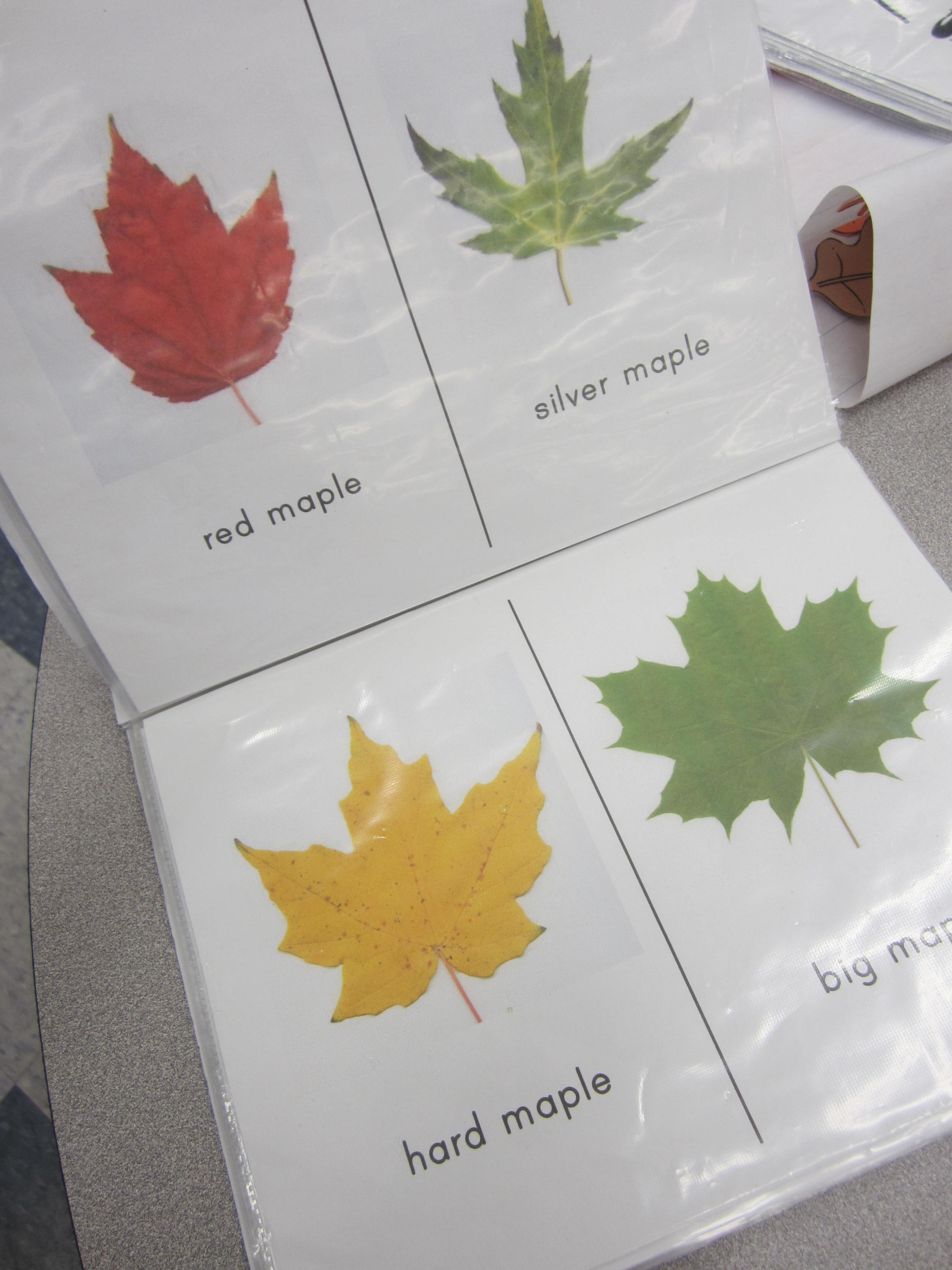
 Though I generally have an overall sense of where I’d like an inquiry based opportunity to lead, I can never truly predict how vast or fruitful it will grow to be. It is the students’ curiosity and eagerness that determines the direction and range of learning. Regardless, I am always pleasantly surprised and excited to see where each inquiry will take us.

 Words On A Limb