I wanted to share a project that is especially close to my heart. Many of you might know my picture book Words, which explores how the language we use impacts others. With my book The Sack, I wanted to turn that conversation inward to focus on something just as important: our internal self-talk and the quiet messages we carry every day.
As teachers, we see firsthand how heavily self-doubt, fear, and worry can weigh on our students. In The Sack, the main character ‘e’ carries a literal sack that gets heavier with every negative thought. My hope in writing this was to give young learners a simple, visual way to understand mental load—and more importantly, to show them that they have the power to unpack those heavy feelings and reframe them into positive, empowering thoughts.
If you’re looking for ways to bring this SEL concept into your classroom, here are two simple To help bring these SEL concepts to life, I’ve put together a comprehensive Teacher Resource Guide. Here are just two examples of the classroom activities you’ll find inside:
“Unpack Your Sack” Circle Time: Students write a worry or negative self-talk phrase on a slip of paper, place it in a physical sack, and practice reframing those statements into growth-mindset affirmations together.
Heavy vs. Soar Thoughts Anchor Chart: Draw a heavy sack on one side of a chart paper and balloons/wings on the other. Work as a class to sort everyday student statements (e.g., “I can’t do this” vs. “I’m still learning how to do this”).
To download a free Teacher/Parent Resource Guide to accompany The Sackvisit HERE.
I hope this story and the accompanying resources serve as a gentle, helpful tool in your classrooms. I’d love to hear—how do you help your students navigate negative self-talk and building positive inner dialogue?
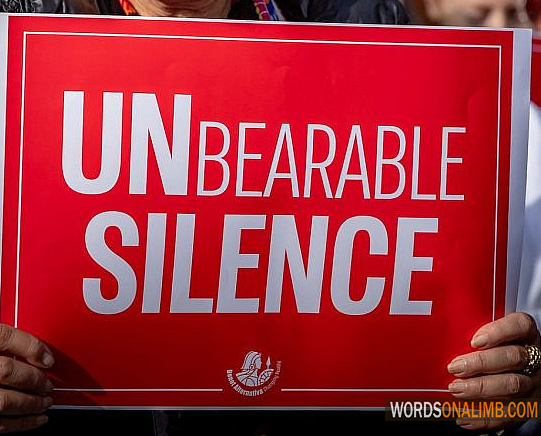
Women and girls around the world continue to face severe oppression, yet many of these abuses receive muted attention in dominant feminist discourse. Across continents, they are barred from education, forced into early marriages, subjected to sexual violence, and denied basic freedoms — often in societies where legal protections are weak, enforcement is inconsistent, or cultural norms codify discrimination. The lack of consistent advocacy is not because their suffering is less severe, but because acknowledging it requires confronting uncomfortable truths about power, extremism, and cultural violence.
Around the world, women remain under siege in ways that too often go under-recognized. In some countries, girls are barred from classrooms and systematically erased from public life; in others, sexual violence is used as a weapon of war. Across regions, women are denied autonomy, punished for resisting oppressive laws or social norms, forced into marriages, or restricted from employment and education. Despite the severity of these abuses, global attention is often inconsistent, shaped more by political convenience than the scale of human suffering.
These examples illustarte a broader pattern, not exhaustive. They reveal how women’s suffering is acknowledged unevenly — amplified when it aligns with prevailing political narratives, muted when it challenges them. Any feminism worthy of its name must confront these realities directly, without selective outrage or ideological convenience.
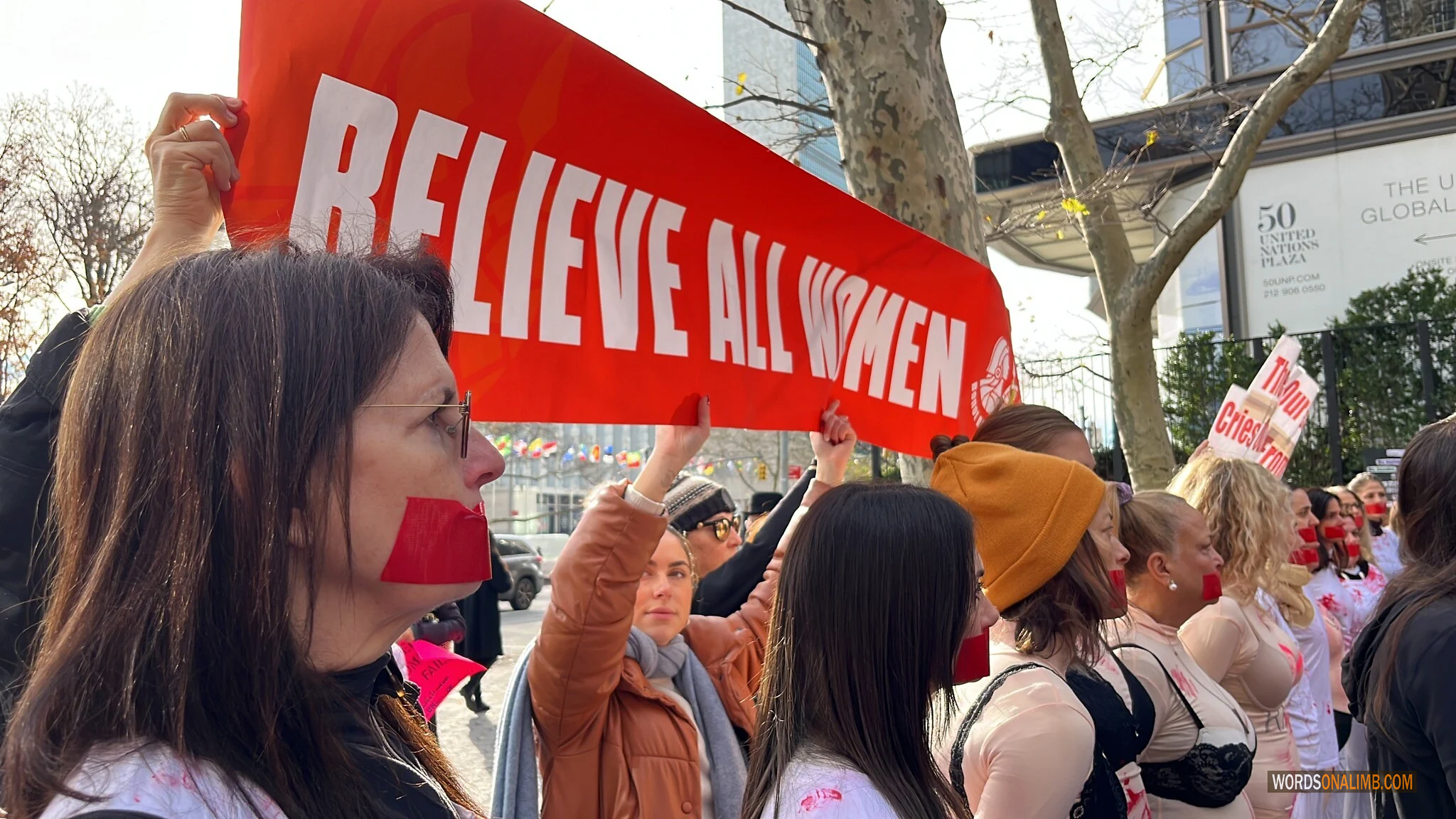
This uneven recognition is not limited to distant or abstract contexts. Recent events show how selective attention can shape global narratives about whose suffering matters. On October 7, 2023, terrorists invaded Israel and committed some of the most heinous crimes against humanity — including mass rape, torture, and the slaughter of women. In the aftermath, much of the global feminist movement — including UN Women, Amnesty International, and other leading human rights NGOs — responded with muted voices and delayed statements. Even many influential women — celebrities, politicians, and cultural figures whose platforms can mobilize millions — remained silent. Some framed that silence with political “context,” implying that alignment or grievance could somehow excuse sexual violence. Many survivors themselves struggled to be heard; their experiences were often dismissed, questioned, or minimized, further compounding their trauma and erasing their voices from public discourse.
Similarly, in Iran, women continue to risk their lives by defying a regime that punishes them for refusing compulsory veiling or demanding basic freedoms. Many are imprisoned, tortured, or executed simply for choosing autonomy over subservience. Yet in some Western feminist discourse — where solidarity once implied universality — such brutality is reframed as “cultural,” minimized as geopolitically complex, or pushed to the margins. Since when did women’s rights stop at national or ideological borders? When did defending basic human dignity become conditional?
Together, these cases illustrate a troubling pattern: women’s suffering is too often acknowledged only when it aligns with political narratives or media cycles, and ignored when it challenges comfort zones, geopolitical interests, or ideological preferences. Any feminism that truly values the dignity, safety, and equality of women must confront these realities directly — without excuses, selective outrage, or conditional solidarity.
These are not marginal issues. They represent some of the most severe gender-based human rights violations of our time. Any feminism worthy of its name must confront them directly — without excuses, without selective outrage, and without subordinating women’s lives to ideological convenience.
When ideology comes first, inaction is moralized and women are abandoned. Feminism loses its moral compass when victims are implicitly graded by identity rather than defended on the basis of shared humanity.
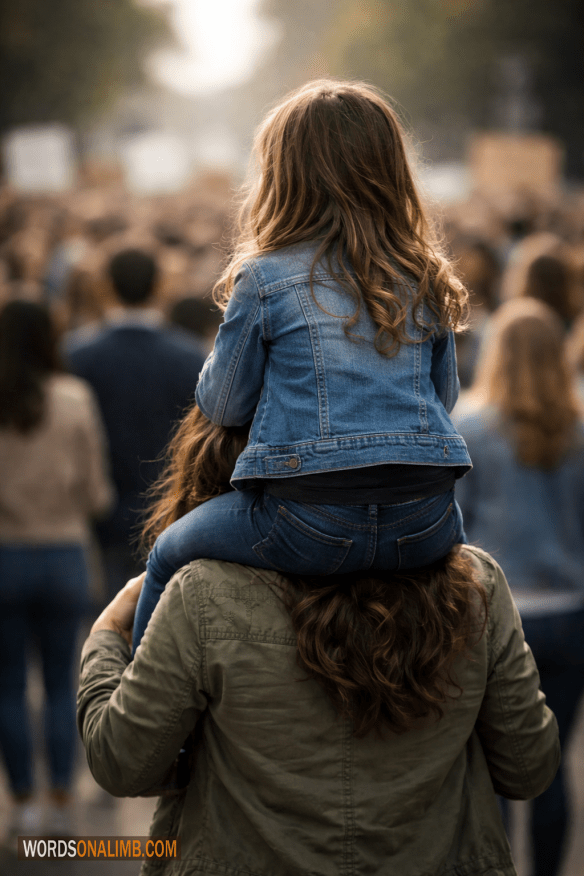
The consequences extend beyond politics. Young girls are watching. They are learning what womanhood means in the modern world. When women are raped, executed for defying oppressive laws, or erased from classrooms — and the world looks away — silence teaches its own lesson. It teaches that safety, dignity, and protection are conditional — reserved for the right kind of woman: politically convenient, ideologically acceptable, or religiously palatable. This version of feminism risks replacing liberation with instruction. It teaches conformity as the price of compassion. It whispers: be the right woman, or you are on your own.
Protecting women must never be divided by religion, nationality, or politics. A woman’s humanity cannot come with conditions. What she believes, where she lives, or whom she prays to must never determine whether her suffering is acknowledged.
We cannot accept a world in which women are punished for speaking, choosing, learning, or refusing. What a woman wears — or does not wear — must never be dictated by fear, religion, or politics. It should be determined by only one authority: herself.
So we’ve been cooped up at home for quite some time now due to the pandemic. For us adults, the use of technology plays a pertinent role in maintaining our social connection to the outside world. But for the little ones whose main form of socialization stems from the school environment, this can be especially difficult.
Social distancing keeps our children physically safe but how do we ensure they don’t socially wilt during this era of isolation?
Here are some simple ways to help your child stay connected to family and friends and develop important skills while doing so:
Phone conversations – This form of communication seems to have gone by the wayside with the increase of smartphones (talking has been traded in for texting) but it can be quite beneficial for our little ones who are still developing their oral communication and social skills.
Talking over the phone helps children learn how to start (and end) conversations, engage in a back and forth dialogue (understand the reciprocity of communication), improve attention span, increase vocabulary, build empathy, give insight into other’s lives, develop oral language skills (speaking, listening, questioning, clarifying, rephrasing) as well as build and maintain friendships.
Video chatting (i.e., WhatsApp, Zoom, Meet, Skype) – Just like speaking over the phone, this form of interaction is quite valuable as well. The added bonus here is the ability to see the other person’s expressions and reactions during the conversation. Reading body language is very important in understanding non-verbal communication. Learning to read gestures, tone of voice, posture and facial expressions can tell us a lot about our listeners. Are they attentive, bored, relaxed, happy, excited, confused? This can help young ones navigate the conversation better as they start to understand the give and take of communicating with others.
Video chatting can also allow children to introduce another branch of topics into their conversation. We all know from Show and Tell that children love to talk about their favourite toys and share their work with others. Video chatting allows for this kind of engagement more readily (and gives you a bit of a break).
Social Games (Roblox, Fortnite, Mindcraft, Maker 2) – Although you may to limit the amount of time your child spends on video games, certain games can provide your child with the opportunity to interact with friends virtually.
Just as physical exercise helps in improving and strengthening muscles, cognitive games can help with cognitive functions. It can help improve coordination, memory, attention, concentration, as well as problem-solving and social skills.
Writing Letters – Despite the prevalence of emails and text messages, everyone has to write letters at some point. Encouraging children to write letters from an early age will improve their communication, social and handwriting skills. It will also teach them how to structure letters. Letters can be valuable keepsakes as well.
Letter-writing does not only help children stay connected, but also reinforces important literacy skills and concepts. Writing letters can also be a lot of fun, especially if you can include different kinds of stationary, writing material, decorative stickers, stamps, and photos. The more creative children can get, the more they will gravitate toward this form of communication.
To introduce my students to the format of letter-writing, I wrote and shared a new poem with them, titledI Wrote a Letter.
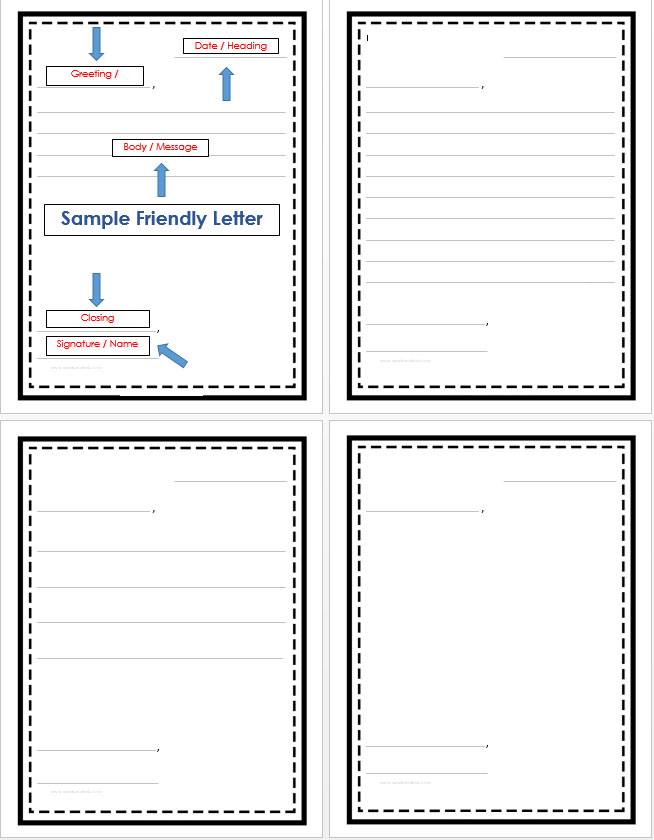
The poem highlights the five elements of a friendly letter in a fun and lyrical way. If you are interested in downloading a copy for your personal use at home or in the classroom, please head over to my TPT store HEREto get the complete package. It includes three letter-writing templates (to accommodate different writing stages) and a sample page with headings.
Everyone loves to get mail, especially a nice note addressed just to them. Introducing this form of communication to your child will open up a new world to them, especially in today’s technological age where this is becoming a rarity.
Hello everyone and welcome back to Words on Art, where we invite artists and writers to collaborate and creatively blend brush strokes with words. We would like to thank Jessica for her successful writing submission, Sweet Oranges, chosen to complement Al Gord’s painting, titled A Changing Perspective. We would love to hear your feedback on this creative blend. Feel free to share your thoughts in the reply box below. Thank you Al and Jessica.
I watch you leave and I am helpless
For despite your plea to stop the rain
I can’t hold back the clouds.
Your boots are wet, your heart defeated
Sweet oranges leave a trail behind you.
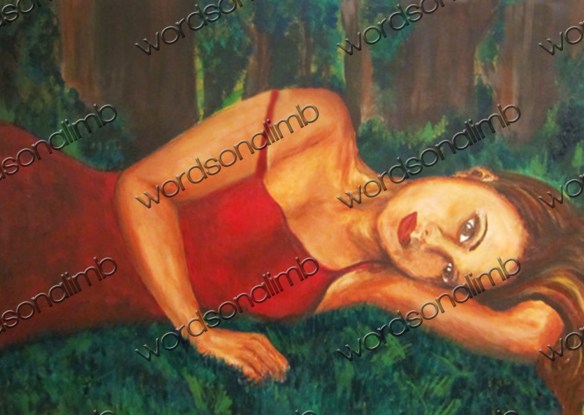
Our next Artists on a Limb feature is one of my own works from high school (seems like forever ago). It is acrylic on canvass, titled Serenity.
We invite you to submit poems, captions, short stories and other words to capture the essence of the art. Please send your writing to wordsonalimb@bell.net (please include Words on Art in the subject line).
Artists, if you have an art piece you would like us to consider featuring on Artists on a Limb, please email us with Art Submission in the subject line. Please note, the art must be your original work.
The air is crisp and chilly in Winnipeg as fall descends on us. We had a unique opportunity to sit and talk to one of our favourite picture book authors, accomplished writer and mom, Maureen Fergus.
Born in Regina, Saskatchewan and raised in Winnipeg, she has lived quite a journey to arrive at her dream of creating multiple picture books, several young adult novels, including a wildly popular fantasy trilogy. She admits, that in spite of all her achievements, the one thing she values is most is the recognition of her many readers and fans.
Maureen spoke to us over the phone from her beautiful home, apparently full of treasures (more on that below), in Winnipeg where she lives with her husband, three children, a hedgehog and the family dog Buddy, affectionately known as Sir Barksalot – handsome fella, no?
Here is her story. If you are a young writer, there is plenty of gold in this river.
Welcome Maureen, it’s a privilege to speak with you today. What kind of kid were you , how much of it has stayed with you? I’ve never been asked that, that is an interesting question. I was very studious, I liked school, I was a perfectionist. I loved a good laugh, I thought I was hilarious, that certainly hasn’t changed. The perfectionist thing mellowed a lot once I had kids. You sort of have 2 choices when you have 3 kids in 3.5 years. You can continue to try to be a perfectionist and go off the deep end, or you just relax a little and except that not everything can be in its place all the time.
But in terms of the way I think and I approach situations I think a big part of that has stayed with me. In fact, I can go back and have a very clear memory of who I was at 4, how it felt to be 4, how I saw the world at 4. I can see that vividly, even at the ages of 7 or 11. This really helps me as a writer because, when writing picture books or books for middle grades or for older teens, I’m not thinking from the outside looking in, I’m thinking what a kid would do or think. I really try to put myself back in that place to write.
Do you have any creations from when you were a child? I actually have one story that I wrote when I was 10 or 11. It was about a super pickle that goes to Ottawa and becomes a member of parliament. I was just a rambling sort of story. As a young girl, I never really wanted to be a writer, it was never my objective. I was always much more interested in science and math. I did love reading – I would keep a journal, keep up with out-of-town friends through snail mail.
I remember one other story from grade 7. I had a perfectionist teacher. Every week we had to write a story and my goal was write one that would get a 10/10. So, I wrote a story making fun of how strict she was. I wrote about me turning over the table, kicking the garbage can and how Miss Shanks got really upset. Funny enough it was a piece of writing that most closely resembles what I’m writing 20 years after. I got 10/10 for that one – the only 10/10 she gave out that year, it appealed to the perfectionist in me. Fortunately, she pushed me to get in touch with the voice of the writer I was going to become. It wasn’t a moment where I suddenly recognized I was going to be a writer, but looking back now, I realized it was the first moment when I really tapped into what that voice was going to be. I would like to go back and let her know that, even though I did not know it at the time, she had a pretty profound impact on my 20 years down the road. Continue reading →
Here is a fun and tasty idea for the first week back to school …
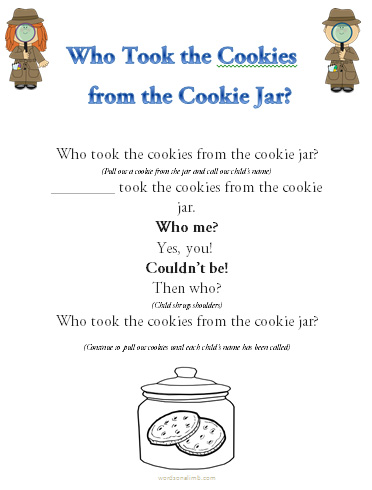
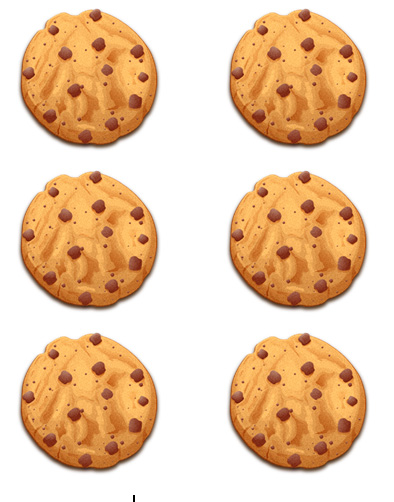
Print and cut-out enough cookie templates so that each student has one with their name written on the back (you may want to invite students who are able to write their name independently, to do so prior to beginning). Place all the cookies in a jar and with all the students sitting in a circle, introduce the song, Who Took the Cookies from the Cookie Jar.While singing, pull out one cookie at a time and hold it up for the class to read. You may want to help by encouraging students to look at the letters for clues. For example, “This person’s name begins with the letter B, which makes a bbb sound. I wonder whose name this could be?” If you like having your students wear name tags during the first few weeks of school, you may want to invite them to take off their tags at this point and look closely at the letters in their name. Throughout the day, continue to pull out more cookies from the jar until each child’s name has been called (if you have a small class, one sitting may do).
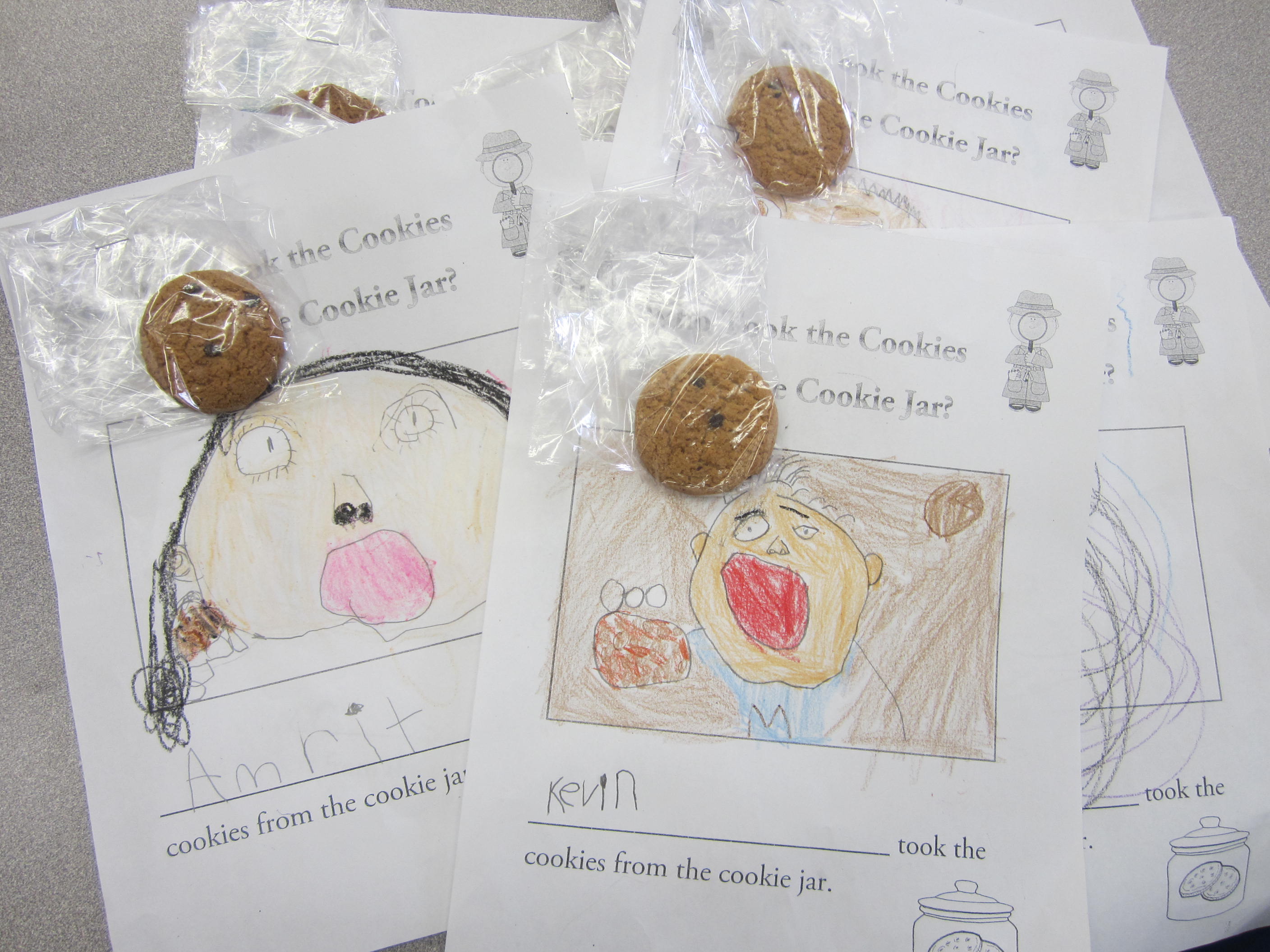
You might also want to revisit this activity with a small group of students or else with a different focus in mind (i.e., sorting: girls and boys, long names and short names; counting: number of letters in each name, number of students; graphing: organizing the information, etc.). I like to repeat this activity several times during the first couple of weeks of school. Students are quite amused by it and it is a great way to learn each other’s names while learning important skills at the same time. As an extension, I prepared a follow-up writing piece where students are invited to write their name and draw a picture of themselves eating cookies (a great time for an art lesson). While some students may be able to write their name independently, others may need to copy or trace the letters from their name tag (tracing over a highlighted name works well too).
The jar can then be put to further use by placing it somewhere in the room for students to access during Centre/Play time. Depending on the various skills you introduced with the activity, students may want to explore some of them independently or in a small group (i.e., counting, sorting, etc.).
** To download a copy of the song, cookie templates and follow-up writing activity, press on the cookie jar below.
Please take a moment & let us know if you enjoy this Free Teacher Content by pressing or visiting us on our Facebook Page.
Thank you and have a sweet and fabulous start to the school year.
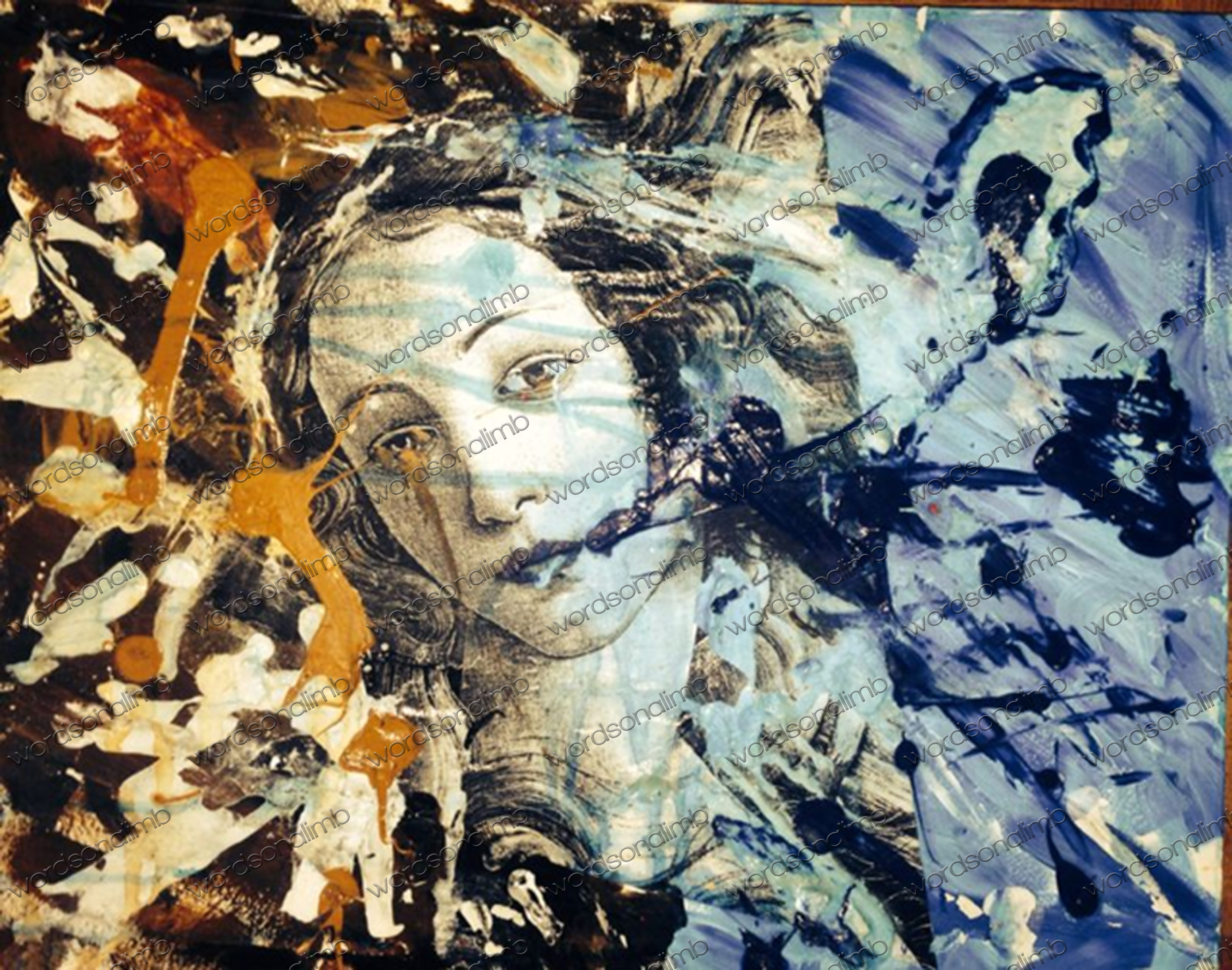
We have chosen words to go along with Irene’s painting submission Venus. We had asked you to submit your words and captions and we’ve gone through the entries and have chosen a successful submission. Thank you to all who participated. We would like to present Hernán’s words. Enjoy!
Thank you for your submission Hernán.
And just like that, you are gone The emptiness is deafening A harpoon has left a jagged hole in my chest I am locked in a tomb.
Where has it gone wrong? What was said? Where did the end, begin? It’s so quiet. I can’t see clearly, I can’t feel my arms, my legs, my soul. I’m an emptied vessel, thrown out after use. Everything is a blur.
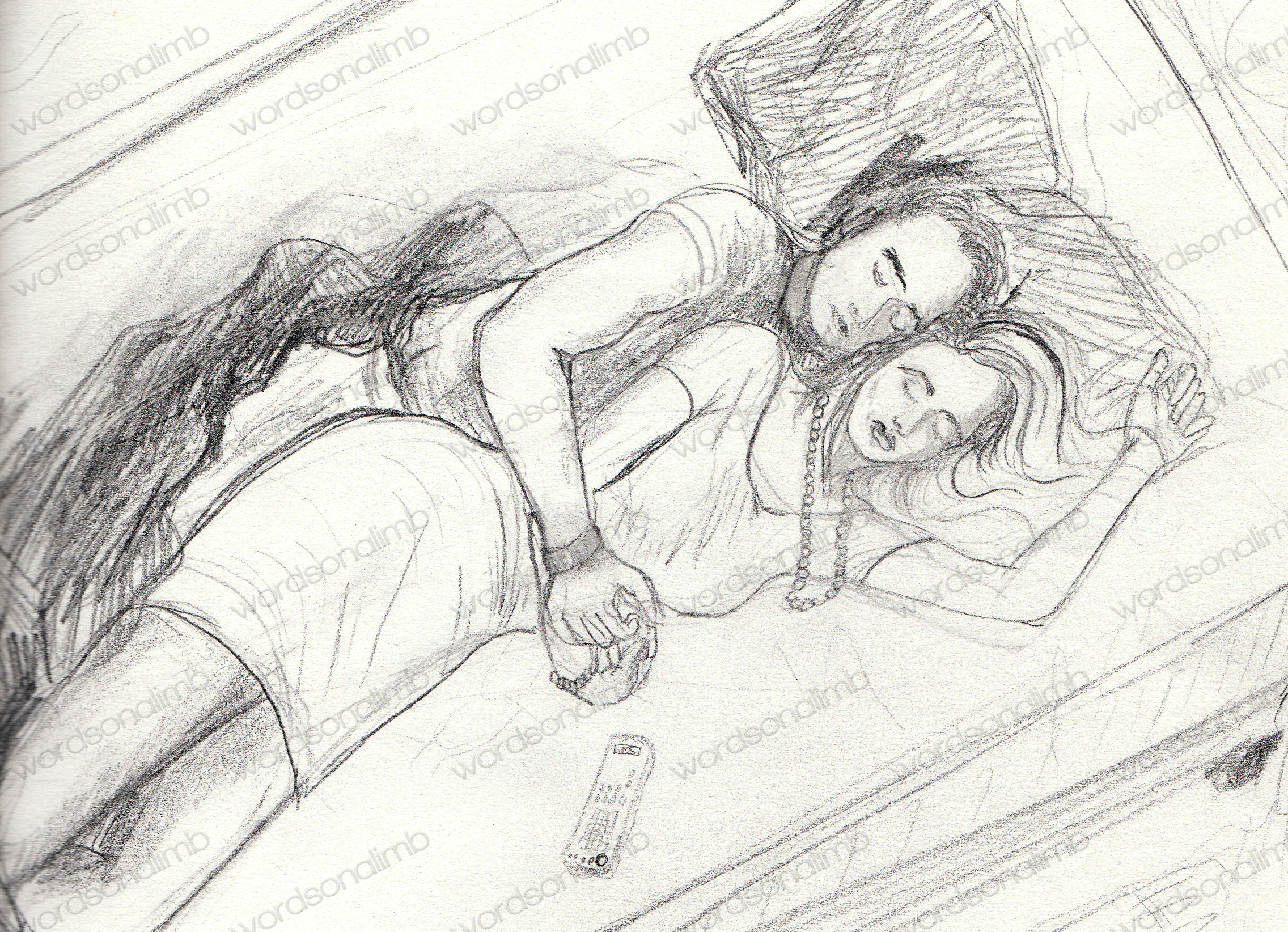
For our next art piece, we are showcasing Jasmine’s sketch. Thank you for your submission! It is an untitled piece.
We are once again inviting readers to capture the essence of the art by submitting writing pieces (captions, poems, short narratives, etc).
To participate, please submit your words on art to wordsonalimb@bell.net. Please write Words on Art in the subject line. If you have an art piece that you would like us to consider for our next showcase, please feel free to email us a picture.
Please note that the art pieces must be your own creation.
A young woman walks into a school, dressed in a tailored suit, just loose enough to mask her anxious composure. In one hand she holds a resume, in the other a leather portfolio.
“You can do this. You can do this,” she chants to herself, while quickening her steps, fighting an impulse to run back to her car. She heads straight to the office, looking for the principal. Minutes later, a tall bearded man steps out of the adjacent office and extends his arm.
“Hi, I’m Craig,” he begins and the young woman’s shoulders relax as she looks into his warm eyes. Phew, she can breathe again. “Yes, I received your resume this morning,” he explains. “We’ve actually just finished interviewing for all the positions we have available.” The young woman’s spirit sinks; but is reignited as he continues. “I have to say, though, I love your assertiveness and determination. How would you like to stay for an interview?” A smile breaks on the young woman’s face as the principal proceeds to call in other staff members to join in on the interview.
So began my journey as a primary grade school teacher. Continue reading →
Get out those lawn chairs, dust off the patio, find those sun hats you thought you’d never see. Summer is finally here! For us, teachers, this warm welcome is also accompanied by a departure, as we bid farewell to our cherished students.
In that honor, I would like to share a poem I wrote for my students marking this time of year. If you read my last post, you know that for some students saying goodbye is not an easy task. Well, this is not goodbye.
This is Not Goodbye!
As I send you on your way,
There’s something I want to say –
Throughout the year I watched you grow,
Blossom into the gem we all know.
We learned, we played, we laughed a lot,
We built a castle where once stood a dot.
As you spread your wings and begin to fly,
Always remember it began with a try.
‘I can’t’, ‘I won’t’, was not permitted,
Fear and doubt should be omitted.
Be your best and try your hardest,
Read a lot to go the farthest.
Come and visit and say ‘Hi’,
See you later – this is Not goodbye!
Feel free to download a copy of the poem by clicking on the link below.
Here is the last art piece we featured on Artists on a Limb. We had asked you to submit your words and captions to capture the essence of the art and were very pleased with the feedback we received. Thank you to all who participated. We would like to showcase the beautiful words sent to us by Aisha.
Thank you for your submission Aisha.
Silent Battle
I sit here in a crowded room, And I am so alone.
I hear the voices of strangers, Yet the silence is deafening.
For our next art piece, we are showcasing the work of Irene Berkovsky. Thank you Irene for your submission!
We are once again inviting readers to capture the essence of the art by submitting writing pieces (captions, poems, short narratives, etc).
To participate, please submit your words on art to wordsonalimb@bell.net. Please write Words on Art in the subject line. If you have an art piece that you would like us to consider for our next showcase, please feel free to email us a picture.
Please note that the art pieces must be your own creation.




 So we’ve been cooped up at home for quite some time now due to the pandemic. For us adults, the use of technology plays a pertinent role in maintaining our social connection to the outside world. But for the little ones whose main form of socialization stems from the school environment, this can be especially difficult.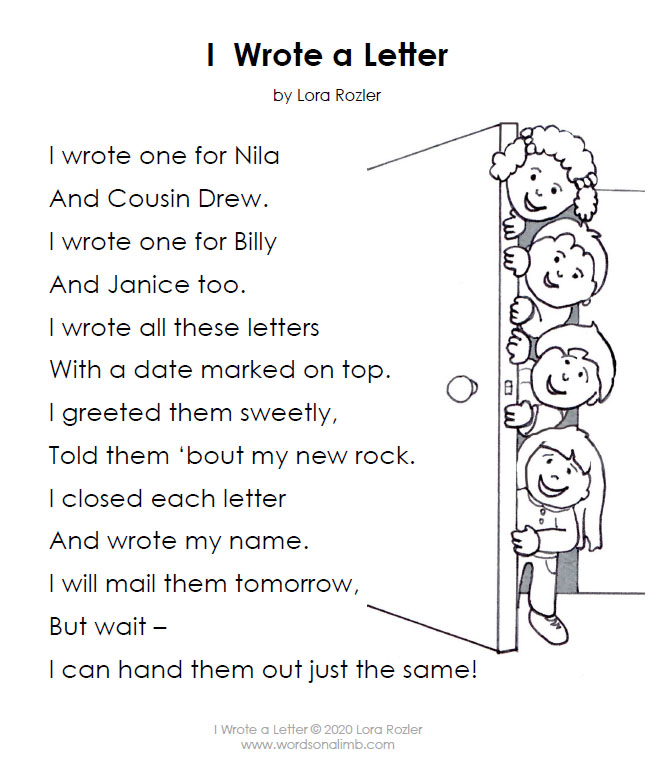


 Hello everyone and welcome back to Words on Art, where we invite artists and writers to collaborate and creatively blend brush strokes with words. We would like to thank Jessica for her successful writing submission, Sweet Oranges, chosen to complement Al Gord’s painting, titled A Changing Perspective. We would love to hear your feedback on this creative blend. Feel free to share your thoughts in the reply box below. Thank you Al and Jessica.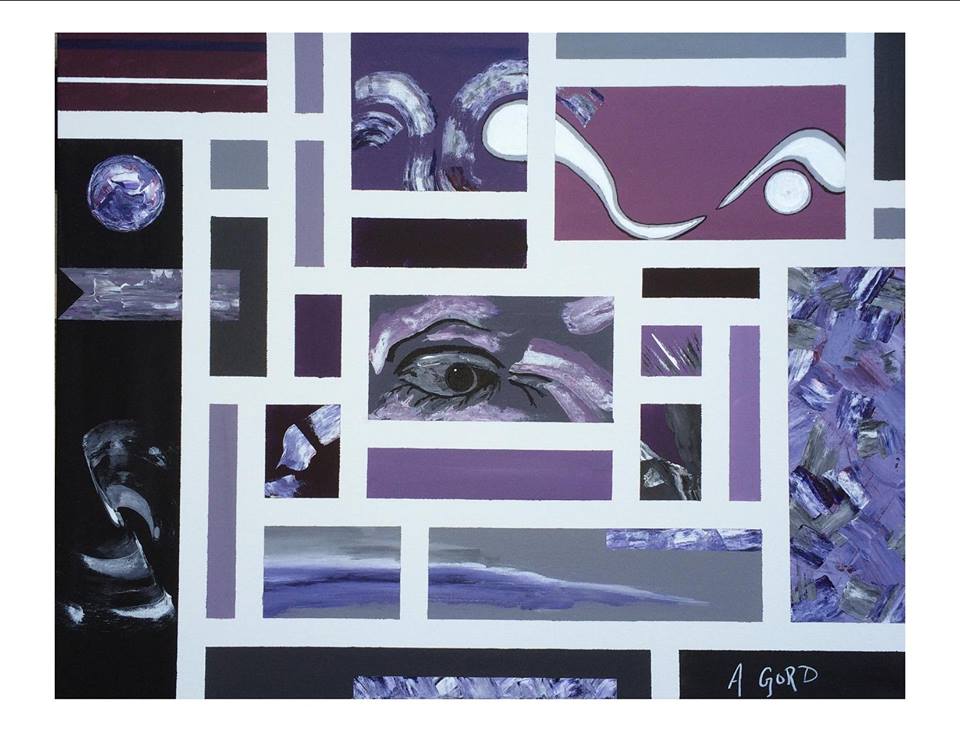

 The air is crisp and chilly in Winnipeg as fall descends on us. We had a unique opportunity to sit and talk to one of our favourite picture book authors, accomplished writer and mom,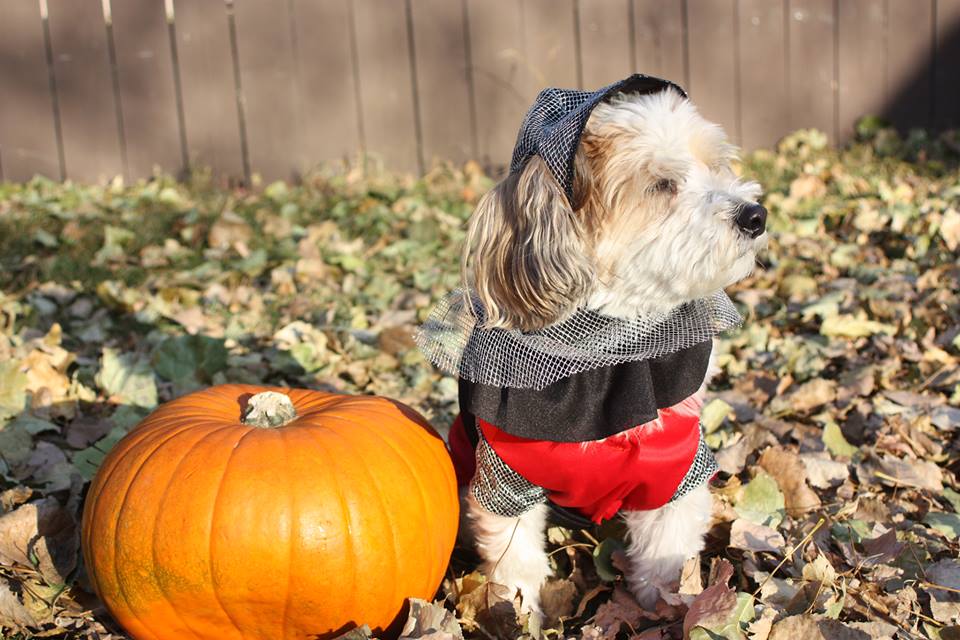
 I’ve never been asked that, that is an interesting question. I was very studious, I liked school, I was a perfectionist. I loved a good laugh, I thought I was hilarious, that certainly hasn’t changed. The perfectionist thing mellowed a lot once I had kids. You sort of have 2 choices when you have 3 kids in 3.5 years. You can continue to try to be a perfectionist and go off the deep end, or you just relax a little and except that not everything can be in its place all the time.
 templates so that each student has one with their name written on the back (you may want to invite students who are able to write their name independently, to do so prior to beginning). Place all the cookies in a jar and with all the students sitting in a circle, introduce the song,
 The jar can then be put to further use by placing it somewhere in the room for students to access during Centre/Play time. Depending on the various skills you introduced with the activity, students may want to explore some of them independently or in a small group (i.e., counting, sorting, etc.).