
For more than two years, alarm bells have been ringing—warnings that have been ignored. The horrific terror attack at Bondi Beach, in which a father and son, radicalized by the Islamic State, opened fire on a Jewish crowd celebrating Hanukkah, killing fifteen people, including a Holocaust survivor, did not occur in a vacuum. It was the culmination of a growing wave of hatred, propaganda, and ideological radicalization that used words as weapons.
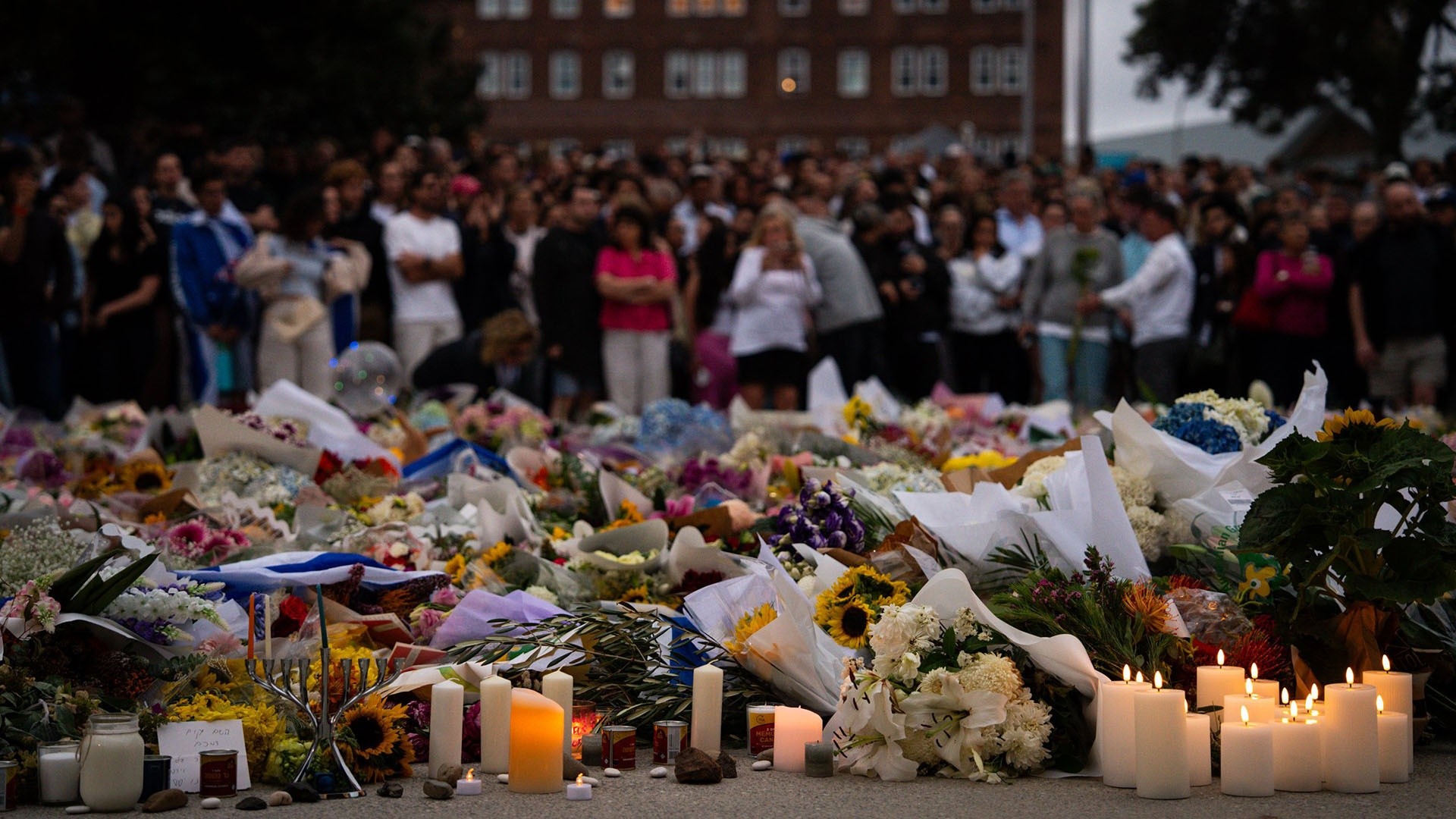
The deliberate spread of lies, misinformation, and dehumanizing rhetoric against Jews, often repackaged today as antizionism, has fueled this climate. The vilification of Jewish people and Israel has become socially tolerated in ways that would never be accepted toward any other group. This normalization of hate follows a familiar historical pattern: propaganda leads to dehumanization, and dehumanization ultimately leads to violence. Ideologically driven hatred played a direct role in the Bondi Beach attack. The perpetrators were influenced by radical movements that thrive on division and moral confusion.
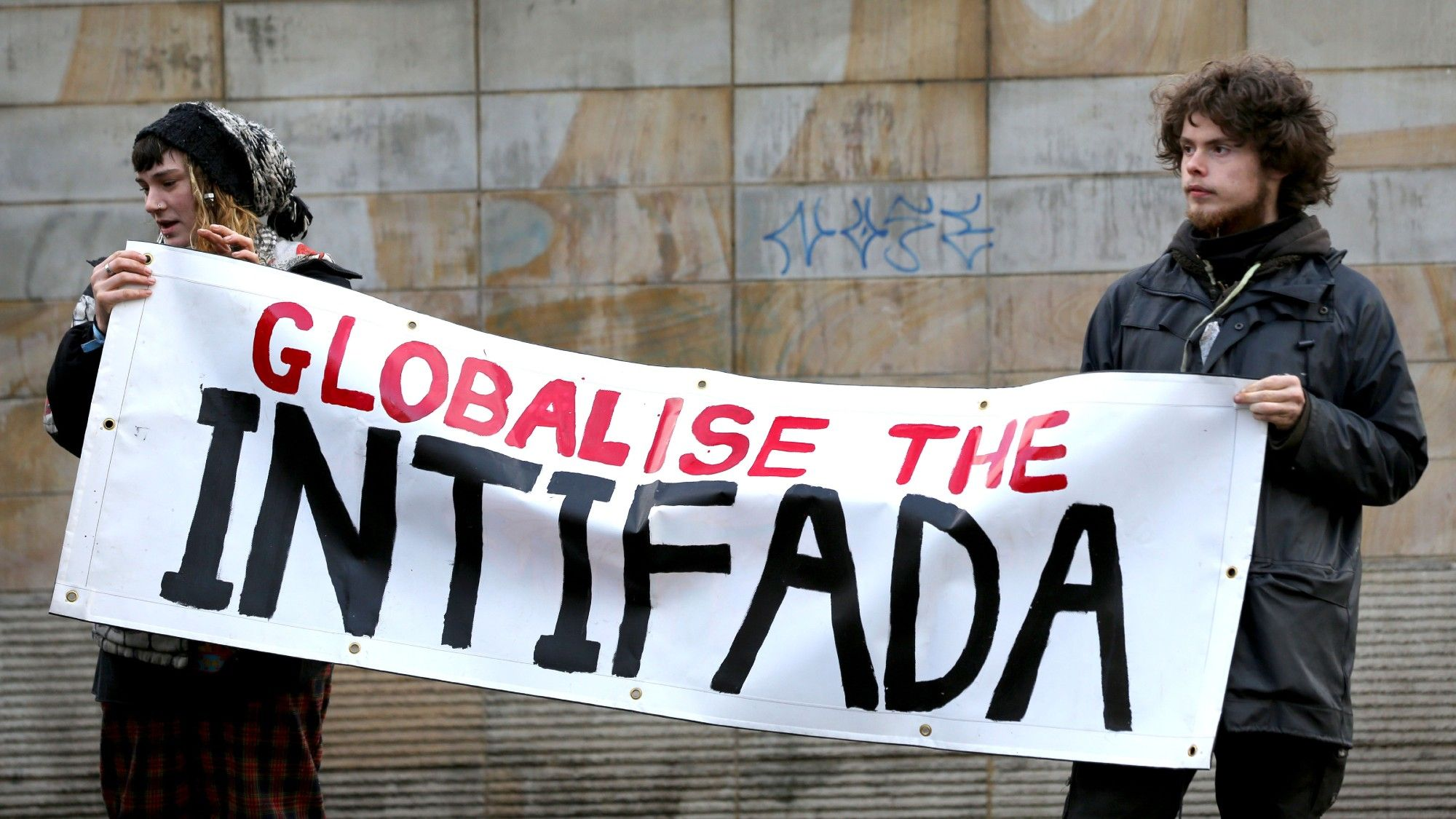
In recent years, public rallies have too often featured inflammatory rhetoric and slogans advocating harm or erasure of groups, such as “Globalize the Intifada” and “From the river to the sea, Palestine will be free.” In Australia, on October 8, hate marches saw demonstrators openly chanting “Gas the Jews”, an event that should have been a turning point but was not met with swift, unequivocal condemnation by many leaders. That silence sent a dangerous message: that some forms of hate could be tolerated, and tolerated hate predictably spills into violence. Words are not harmless; they carry weight and consequence. The chants once shouted in hate rallies – calls to “globalize the intifada” or erase a people – were never just slogans. When language dehumanizes, it arms minds long before hands ever touch weapons. The intifada was globalized.
Not all wars are fought with guns. The conflict being waged today – against Israel, against the West, and against democratic societies themselves – is being fought through ideologies. This is a battle of narratives, where hatred is often disguised as activism and moral outrage, and where young people encounter radical messages long before any physical attack takes place.
This ideological assault is being amplified by foreign-funded stakeholders and networks that seek to divide societies from within. Their reach extends beyond social media into institutions, schools, universities, and even government bodies, where anti-Western and antisemitic narratives sometimes circulate unchallenged under the banner of “diversity of thought.” Such influence undermines trust, weakens civic values, and places students at risk of gradual radicalization.
At the same time, extremism exists across ideologies. Right-wing hate movements, neo-Nazism, and other radical groups have a long history of terrorizing Jews, Black people, and other minorities, while far-left and Islamist extremists increasingly drive antisemitic incidents worldwide. No society can afford to ignore any ideology that rejects equality, freedom, and human dignity.
The data paint a sobering picture. In Canada, antisemitic incidents reached a record 6,219 cases in 2024 – a 7.4% increase over 2023 and a 124% jump since 2022, with B’nai Brith warning that antisemitism is becoming “normalized.” In the United States, the ADL recorded 9,354 antisemitic incidents in 2024, the highest figure in nearly 50 years, representing an 893% increase over the past decade and averaging more than 25 incidents per day. Globally, the World Zionist Organization and the Jewish Agency reported a 340% increase in antisemitic incidents between 2022 and 2024, nearly doubling from 2023 alone.
As teachers and parents, there is a vital responsibility to shape the next generation’s understanding of justice, empathy, and courage. Schools and homes must be places where open dialogue and critical thinking thrive, where children learn to recognize propaganda, question hate, and see the humanity in those who are targeted. Confronting difficult truths is not about assigning collective blame; it is an act of protection and love for communities and children.
A practical call to action can include:
- Creating classroom and family discussions about antisemitism, extremism, and media literacy.
- Challenging dehumanizing language and false narratives whenever they appear, online or offline.
- Partnering with reputable organizations that track and combat antisemitism to bring resources into schools.
Each lesson, conversation, and act of courage helps build resilience against those who weaponize ideas.

As this loss is remembered, it is important to honour Matilda, a vibrant ten-year-old and the youngest victim whose life was cut short in the Bondi Beach attack.
Matilda adored bees – tiny creatures that work together to build, nurture, and bring sweetness into the world. In honour of her memory, her father asked that images of bees be shared, as a symbol of the gentleness and cooperation she loved.
Let Matilda’s bees remind everyone that even in grief, there is a choice to build rather than destroy, to protect rather than hate, and to fill the world with kindness and care. 🐝
– Lora

 Words On A Limb