

Women and girls around the world continue to face severe oppression, yet many of these abuses receive muted attention in dominant feminist discourse. Across continents, they are barred from education, forced into early marriages, subjected to sexual violence, and denied basic freedoms — often in societies where legal protections are weak, enforcement is inconsistent, or cultural norms codify discrimination. The lack of consistent advocacy is not because their suffering is less severe, but because acknowledging it requires confronting uncomfortable truths about power, extremism, and cultural violence.
Around the world, women remain under siege in ways that too often go under-recognized. In some countries, girls are barred from classrooms and systematically erased from public life; in others, sexual violence is used as a weapon of war. Across regions, women are denied autonomy, punished for resisting oppressive laws or social norms, forced into marriages, or restricted from employment and education. Despite the severity of these abuses, global attention is often inconsistent, shaped more by political convenience than the scale of human suffering.
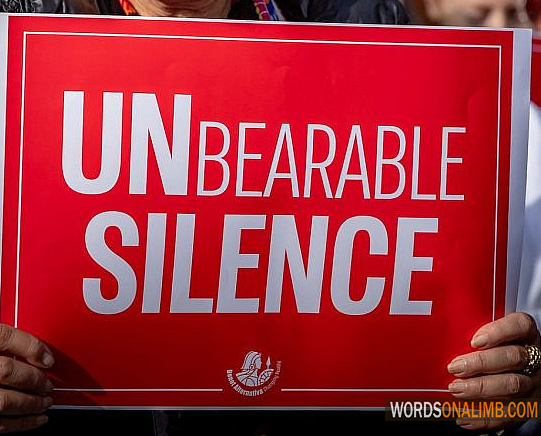
These examples illustarte a broader pattern, not exhaustive. They reveal how women’s suffering is acknowledged unevenly — amplified when it aligns with prevailing political narratives, muted when it challenges them. Any feminism worthy of its name must confront these realities directly, without selective outrage or ideological convenience.
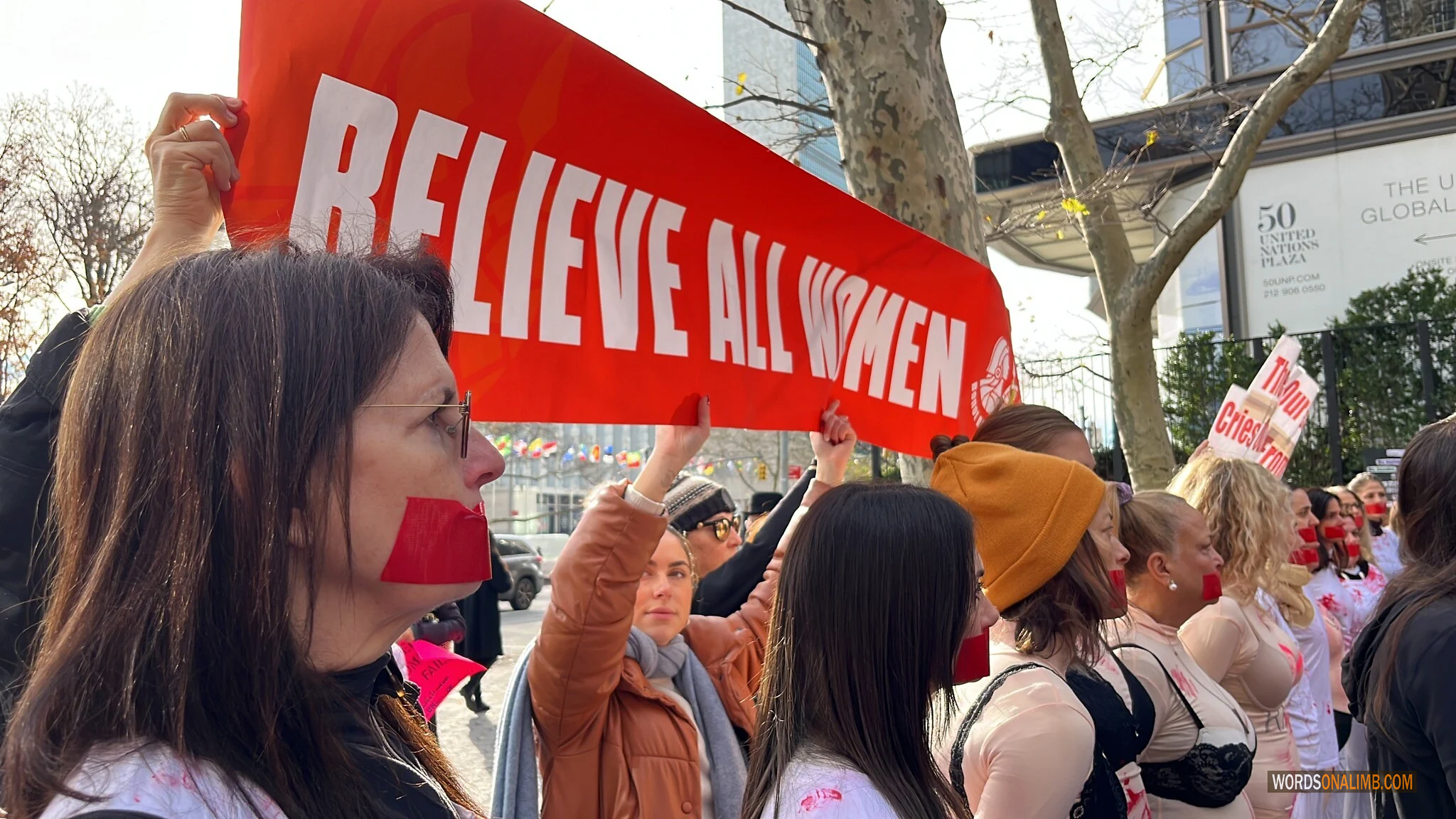
This uneven recognition is not limited to distant or abstract contexts. Recent events show how selective attention can shape global narratives about whose suffering matters. On October 7, 2023, terrorists invaded Israel and committed some of the most heinous crimes against humanity — including mass rape, torture, and the slaughter of women. In the aftermath, much of the global feminist movement — including UN Women, Amnesty International, and other leading human rights NGOs — responded with muted voices and delayed statements. Even many influential women — celebrities, politicians, and cultural figures whose platforms can mobilize millions — remained silent. Some framed that silence with political “context,” implying that alignment or grievance could somehow excuse sexual violence. Many survivors themselves struggled to be heard; their experiences were often dismissed, questioned, or minimized, further compounding their trauma and erasing their voices from public discourse.
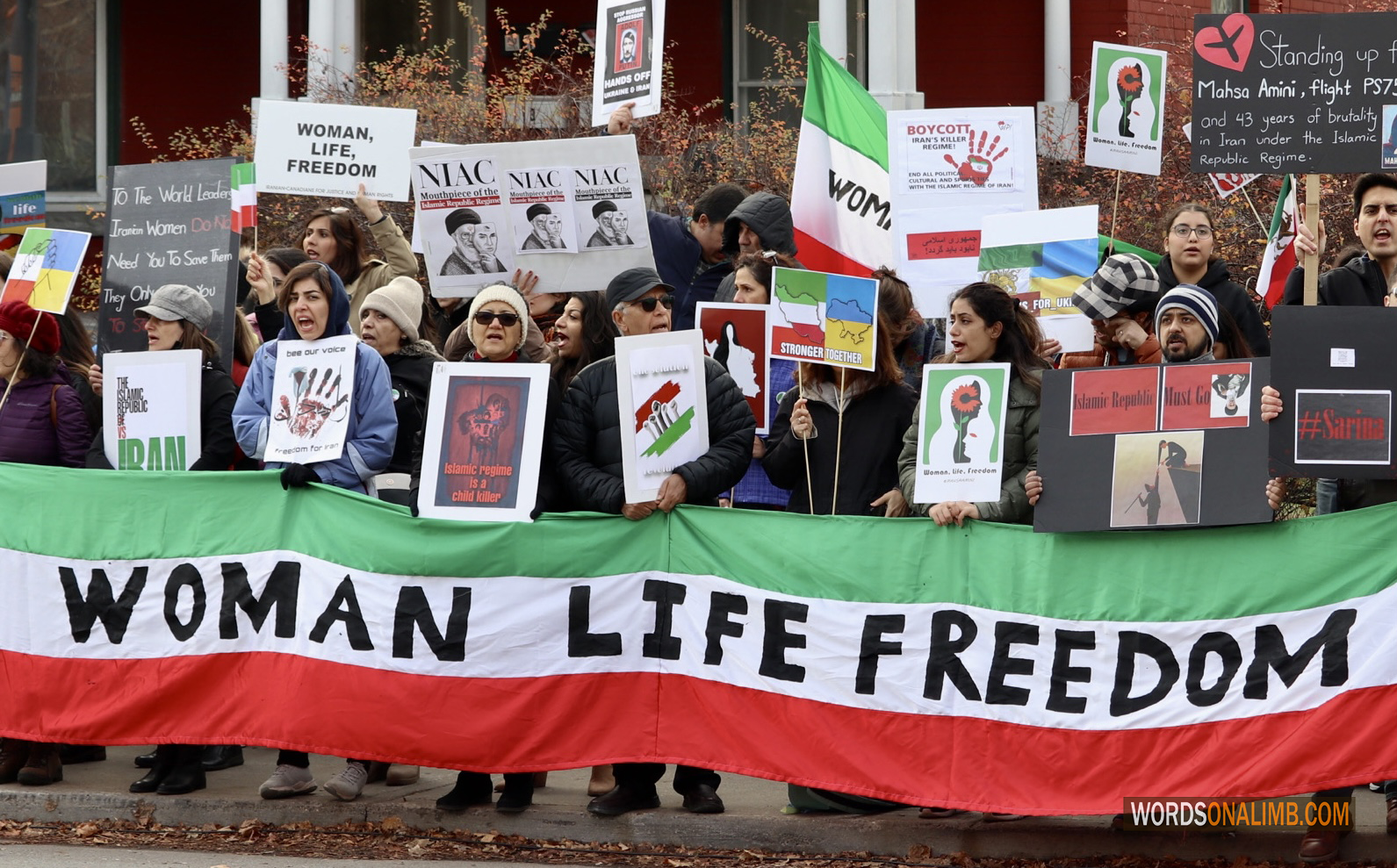
Similarly, in Iran, women continue to risk their lives by defying a regime that punishes them for refusing compulsory veiling or demanding basic freedoms. Many are imprisoned, tortured, or executed simply for choosing autonomy over subservience. Yet in some Western feminist discourse — where solidarity once implied universality — such brutality is reframed as “cultural,” minimized as geopolitically complex, or pushed to the margins. Since when did women’s rights stop at national or ideological borders? When did defending basic human dignity become conditional?
Together, these cases illustrate a troubling pattern: women’s suffering is too often acknowledged only when it aligns with political narratives or media cycles, and ignored when it challenges comfort zones, geopolitical interests, or ideological preferences. Any feminism that truly values the dignity, safety, and equality of women must confront these realities directly — without excuses, selective outrage, or conditional solidarity.
These are not marginal issues. They represent some of the most severe gender-based human rights violations of our time. Any feminism worthy of its name must confront them directly — without excuses, without selective outrage, and without subordinating women’s lives to ideological convenience.
When ideology comes first, inaction is moralized and women are abandoned. Feminism loses its moral compass when victims are implicitly graded by identity rather than defended on the basis of shared humanity.
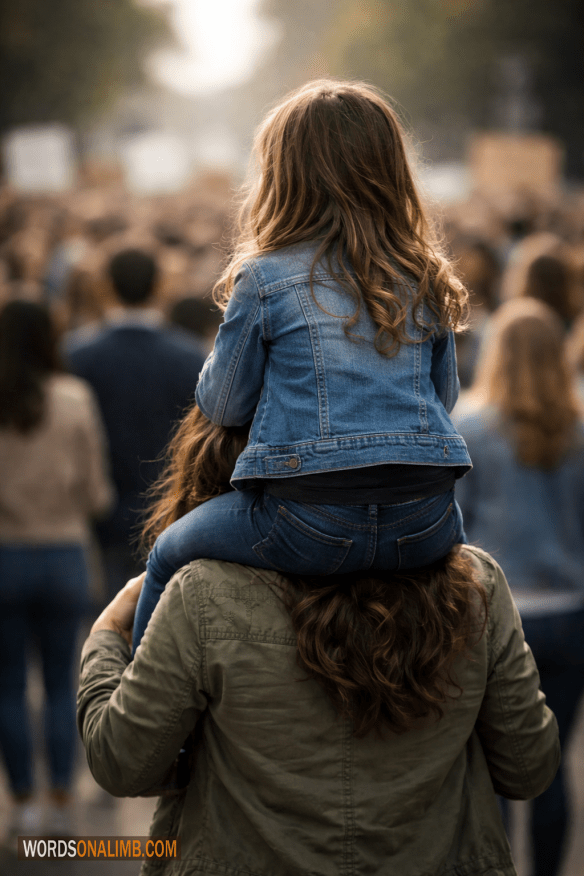
The consequences extend beyond politics. Young girls are watching. They are learning what womanhood means in the modern world. When women are raped, executed for defying oppressive laws, or erased from classrooms — and the world looks away — silence teaches its own lesson. It teaches that safety, dignity, and protection are conditional — reserved for the right kind of woman: politically convenient, ideologically acceptable, or religiously palatable. This version of feminism risks replacing liberation with instruction. It teaches conformity as the price of compassion. It whispers: be the right woman, or you are on your own.
Protecting women must never be divided by religion, nationality, or politics. A woman’s humanity cannot come with conditions. What she believes, where she lives, or whom she prays to must never determine whether her suffering is acknowledged.
We cannot accept a world in which women are punished for speaking, choosing, learning, or refusing. What a woman wears — or does not wear — must never be dictated by fear, religion, or politics. It should be determined by only one authority: herself.
Lora

 Words On A Limb