Women and girls around the world continue to face severe oppression, yet many of these abuses receive muted attention in dominant feminist discourse. Across continents, they are barred from education, forced into early marriages, subjected to sexual violence, and denied basic freedoms — often in societies where legal protections are weak, enforcement is inconsistent, or cultural norms codify discrimination. The lack of consistent advocacy is not because their suffering is less severe, but because acknowledging it requires confronting uncomfortable truths about power, extremism, and cultural violence.
Around the world, women remain under siege in ways that too often go under-recognized. In some countries, girls are barred from classrooms and systematically erased from public life; in others, sexual violence is used as a weapon of war. Across regions, women are denied autonomy, punished for resisting oppressive laws or social norms, forced into marriages, or restricted from employment and education. Despite the severity of these abuses, global attention is often inconsistent, shaped more by political convenience than the scale of human suffering.
These examples illustarte a broader pattern, not exhaustive. They reveal how women’s suffering is acknowledged unevenly — amplified when it aligns with prevailing political narratives, muted when it challenges them. Any feminism worthy of its name must confront these realities directly, without selective outrage or ideological convenience.
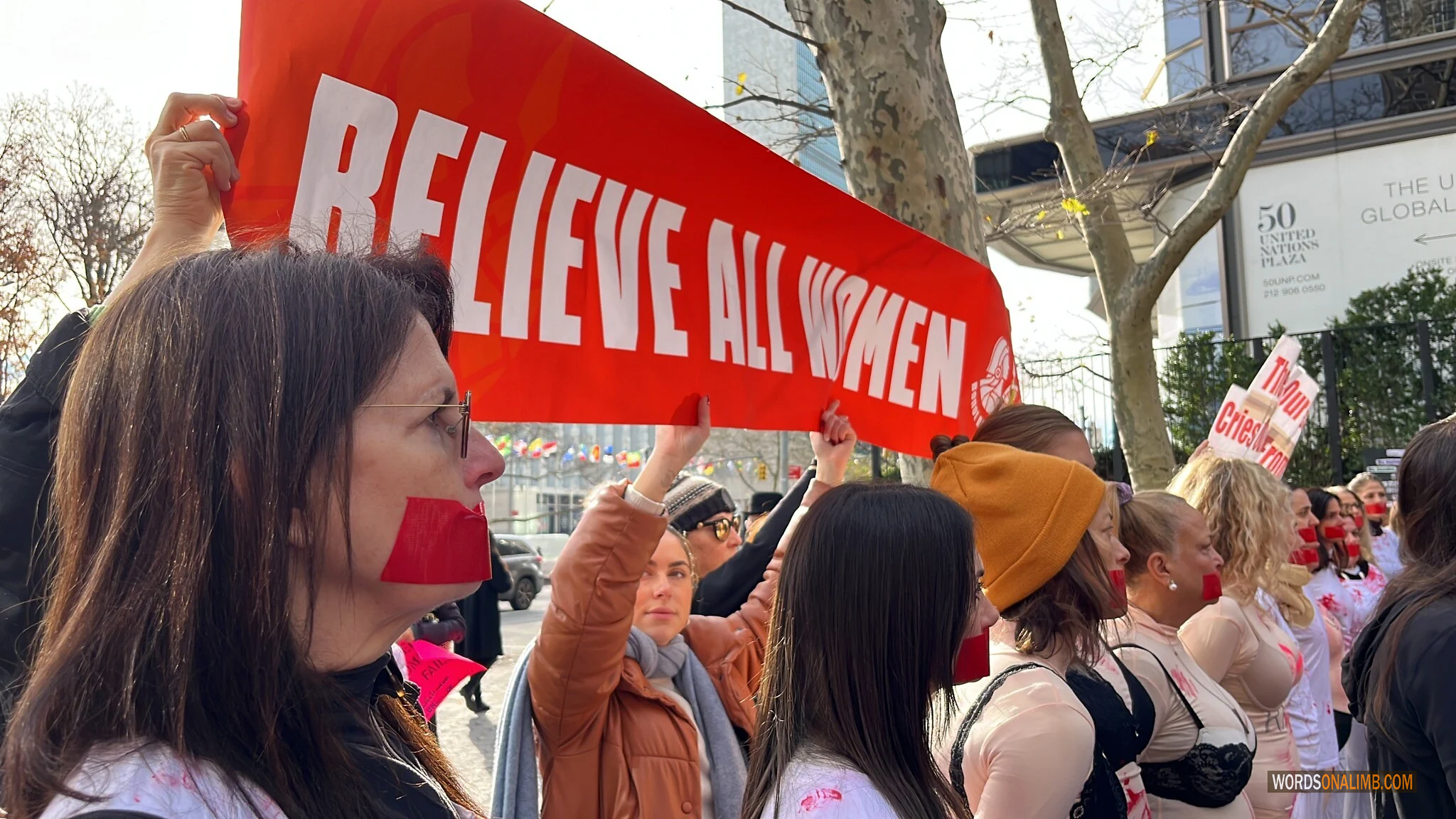
This uneven recognition is not limited to distant or abstract contexts. Recent events show how selective attention can shape global narratives about whose suffering matters. On October 7, 2023, terrorists invaded Israel and committed some of the most heinous crimes against humanity — including mass rape, torture, and the slaughter of women. In the aftermath, much of the global feminist movement — including UN Women, Amnesty International, and other leading human rights NGOs — responded with muted voices and delayed statements. Even many influential women — celebrities, politicians, and cultural figures whose platforms can mobilize millions — remained silent. Some framed that silence with political “context,” implying that alignment or grievance could somehow excuse sexual violence. Many survivors themselves struggled to be heard; their experiences were often dismissed, questioned, or minimized, further compounding their trauma and erasing their voices from public discourse.
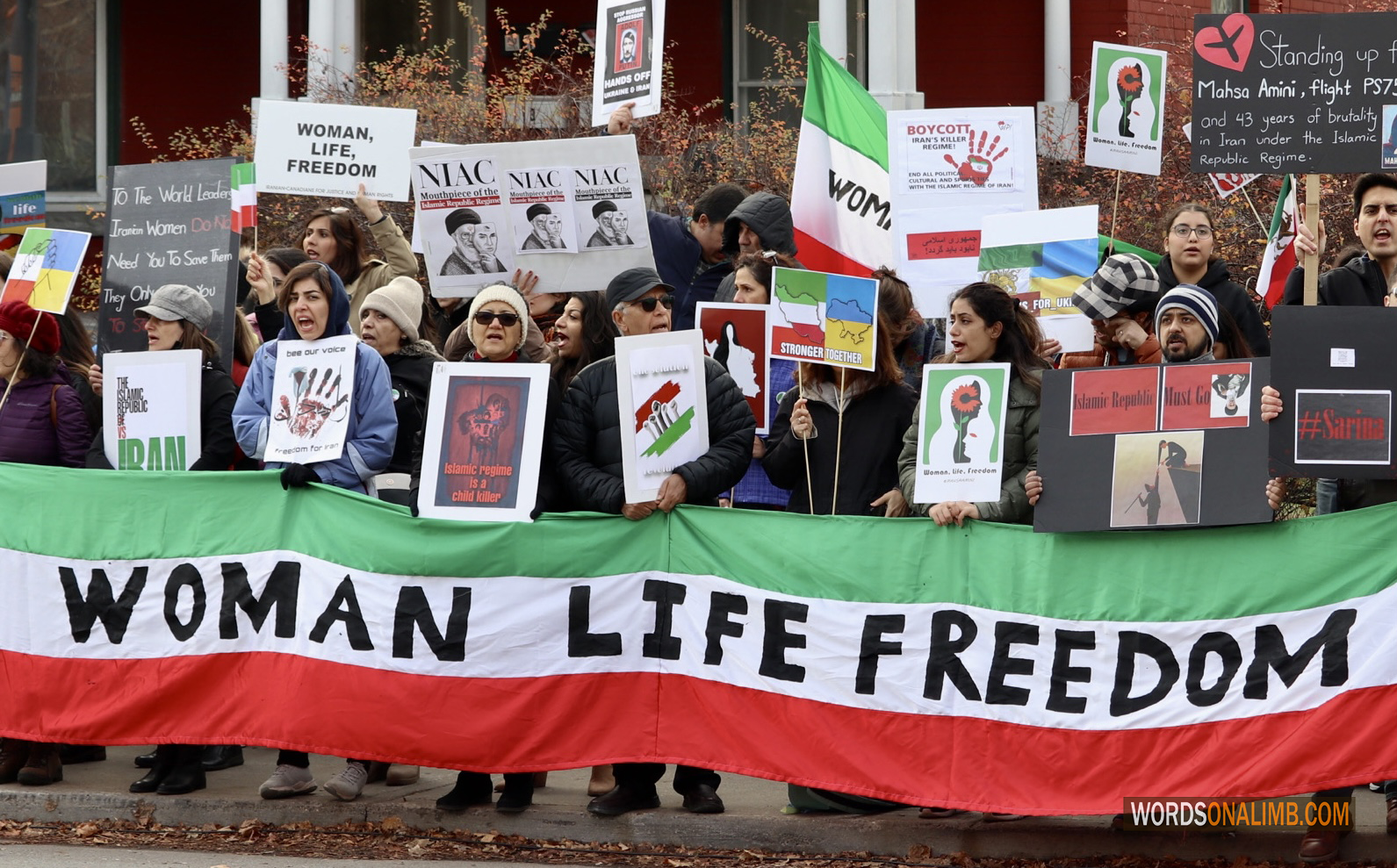
Similarly, in Iran, women continue to risk their lives by defying a regime that punishes them for refusing compulsory veiling or demanding basic freedoms. Many are imprisoned, tortured, or executed simply for choosing autonomy over subservience. Yet in some Western feminist discourse — where solidarity once implied universality — such brutality is reframed as “cultural,” minimized as geopolitically complex, or pushed to the margins. Since when did women’s rights stop at national or ideological borders? When did defending basic human dignity become conditional?
Together, these cases illustrate a troubling pattern: women’s suffering is too often acknowledged only when it aligns with political narratives or media cycles, and ignored when it challenges comfort zones, geopolitical interests, or ideological preferences. Any feminism that truly values the dignity, safety, and equality of women must confront these realities directly — without excuses, selective outrage, or conditional solidarity.
These are not marginal issues. They represent some of the most severe gender-based human rights violations of our time. Any feminism worthy of its name must confront them directly — without excuses, without selective outrage, and without subordinating women’s lives to ideological convenience.
When ideology comes first, inaction is moralized and women are abandoned. Feminism loses its moral compass when victims are implicitly graded by identity rather than defended on the basis of shared humanity.
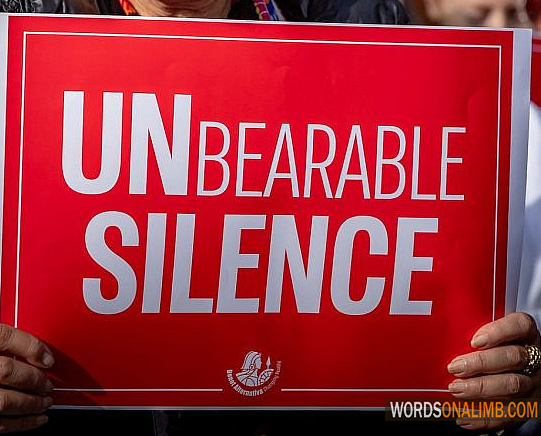
The consequences extend beyond politics. Young girls are watching. They are learning what womanhood means in the modern world. When women are raped, executed for defying oppressive laws, or erased from classrooms — and the world looks away — silence teaches its own lesson. It teaches that safety, dignity, and protection are conditional — reserved for the right kind of woman: politically convenient, ideologically acceptable, or religiously palatable. This version of feminism risks replacing liberation with instruction. It teaches conformity as the price of compassion. It whispers: be the right woman, or you are on your own.
Protecting women must never be divided by religion, nationality, or politics. A woman’s humanity cannot come with conditions. What she believes, where she lives, or whom she prays to must never determine whether her suffering is acknowledged.
We cannot accept a world in which women are punished for speaking, choosing, learning, or refusing. What a woman wears — or does not wear — must never be dictated by fear, religion, or politics. It should be determined by only one authority: herself.
For more than two years, alarm bells have been ringing—warnings that have been ignored. The horrific terror attack at Bondi Beach, in which a father and son, radicalized by the Islamic State, opened fire on a Jewish crowd celebrating Hanukkah, killing fifteen people, including a Holocaust survivor, did not occur in a vacuum. It was the culmination of a growing wave of hatred, propaganda, and ideological radicalization that used words as weapons.
Bondi Beach Memorial
The deliberate spread of lies, misinformation, and dehumanizing rhetoric against Jews, often repackaged today as antizionism, has fueled this climate. The vilification of Jewish people and Israel has become socially tolerated in ways that would never be accepted toward any other group. This normalization of hate follows a familiar historical pattern: propaganda leads to dehumanization, and dehumanization ultimately leads to violence. Ideologically driven hatred played a direct role in the Bondi Beach attack. The perpetrators were influenced by radical movements that thrive on division and moral confusion.
In recent years, public rallies have too often featured inflammatory rhetoric and slogans advocating harm or erasure of groups, such as “Globalize the Intifada” and “From the river to the sea, Palestine will be free.” In Australia, on October 8, hate marches saw demonstrators openly chanting “Gas the Jews”, an event that should have been a turning point but was not met with swift, unequivocal condemnation by many leaders. That silence sent a dangerous message: that some forms of hate could be tolerated, and tolerated hate predictably spills into violence. Words are not harmless; they carry weight and consequence. The chants once shouted in hate rallies – calls to “globalize the intifada” or erase a people – were never just slogans. When language dehumanizes, it arms minds long before hands ever touch weapons. The intifada was globalized.
Not all wars are fought with guns. The conflict being waged today – against Israel, against the West, and against democratic societies themselves – is being fought through ideologies. This is a battle of narratives, where hatred is often disguised as activism and moral outrage, and where young people encounter radical messages long before any physical attack takes place.
This ideological assault is being amplified by foreign-funded stakeholders and networks that seek to divide societies from within. Their reach extends beyond social media into institutions, schools, universities, and even government bodies, where anti-Western and antisemitic narratives sometimes circulate unchallenged under the banner of “diversity of thought.” Such influence undermines trust, weakens civic values, and places students at risk of gradual radicalization.
At the same time, extremism exists across ideologies. Right-wing hate movements, neo-Nazism, and other radical groups have a long history of terrorizing Jews, Black people, and other minorities, while far-left and Islamist extremists increasingly drive antisemitic incidents worldwide. No society can afford to ignore any ideology that rejects equality, freedom, and human dignity.
The data paint a sobering picture. In Canada, antisemitic incidents reached a record 6,219 cases in 2024 – a 7.4% increase over 2023 and a 124% jump since 2022, with B’nai Brith warning that antisemitism is becoming “normalized.” In the United States, the ADL recorded 9,354 antisemitic incidents in 2024, the highest figure in nearly 50 years, representing an 893% increase over the past decade and averaging more than 25 incidents per day. Globally, the World Zionist Organization and the Jewish Agency reported a 340% increase in antisemitic incidents between 2022 and 2024, nearly doubling from 2023 alone.
As teachers and parents, there is a vital responsibility to shape the next generation’s understanding of justice, empathy, and courage. Schools and homes must be places where open dialogue and critical thinking thrive, where children learn to recognize propaganda, question hate, and see the humanity in those who are targeted. Confronting difficult truths is not about assigning collective blame; it is an act of protection and love for communities and children.
A practical call to action can include:
Creating classroom and family discussions about antisemitism, extremism, and media literacy.
Challenging dehumanizing language and false narratives whenever they appear, online or offline.
Partnering with reputable organizations that track and combat antisemitism to bring resources into schools.
Each lesson, conversation, and act of courage helps build resilience against those who weaponize ideas.
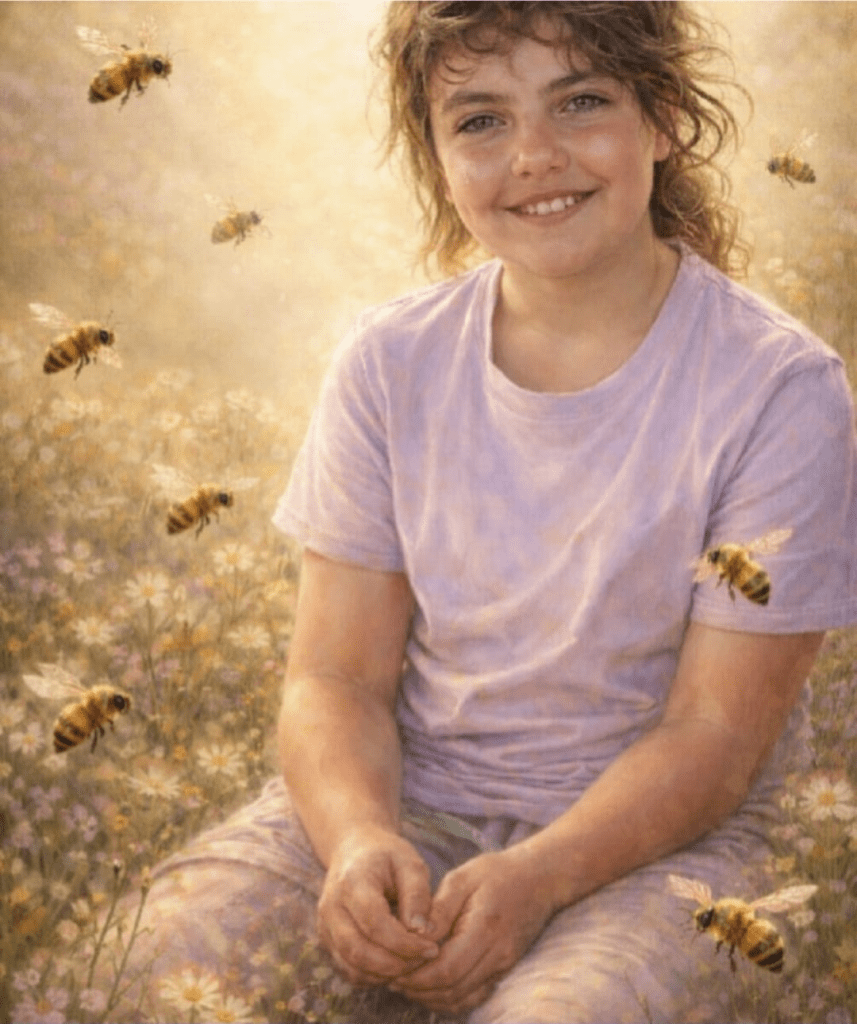
As this loss is remembered, it is important to honour Matilda, a vibrant ten-year-old and the youngest victim whose life was cut short in the Bondi Beach attack.
Matilda adored bees – tiny creatures that work together to build, nurture, and bring sweetness into the world. In honour of her memory, her father asked that images of bees be shared, as a symbol of the gentleness and cooperation she loved.
Let Matilda’s bees remind everyone that even in grief, there is a choice to build rather than destroy, to protect rather than hate, and to fill the world with kindness and care. 🐝
This is not an easy piece to write. My blog usually celebrates stories, poems, children’s books, teaching resources, author spotlights, and moments of inspiration that remind us why we do what we do as educators and writers. But sometimes, the world around us demands that we look up from our books and ask harder questions.
This post may not fit the usual rhythm of this space, but that’s precisely why it belongs here. Because if we, as educators and storytellers, are not talking about what kind of world we are preparing our children for, then what are we teaching at all?
My hope is that this article offers perspective, clarity, and courage. That it gives you, not just as educators, but as Canadians, a lens through which to understand what’s happening, to recognize the patterns, and to feel empowered to say, “This is wrong.”
Patterns Repeating: Vilification and Dehumanization
History teaches us that mass tragedies never begin with violence – they begin with narratives.
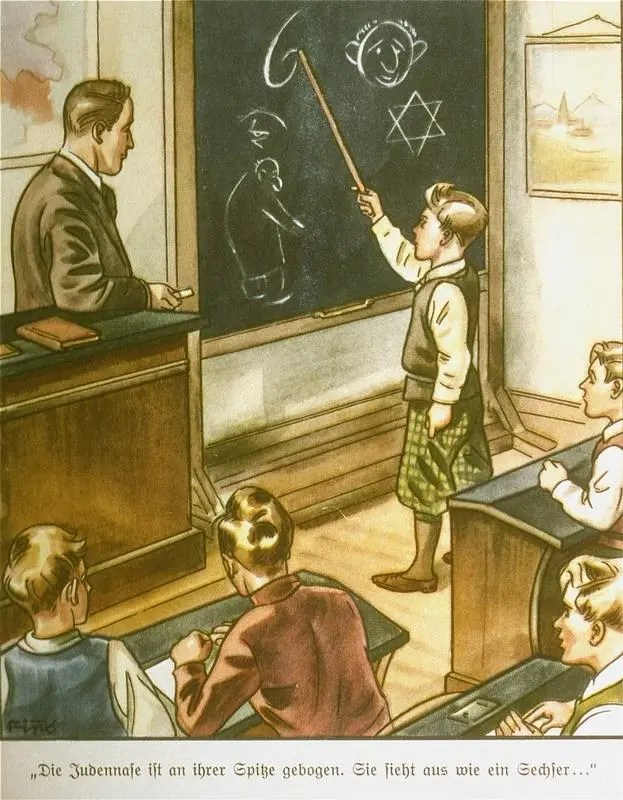
For the Jewish community, the brushstrokes of hate often start with casting Jews as the root of society’s problems, followed by exclusion, scapegoating, and relentless public vilification. The propaganda that swept through 1930s Germany, where Jews were painted as outsiders and subhuman, did not erupt overnight. It grew slowly, normalized by silence and apathy.
Antisemitic Children’s Book From the 1938 antisemitic children’s book The Poisonous Mushroom. The boy is drawing a nose on the chalkboard, and the caption reads: “The Jewish nose is crooked at its tip. It looks like a 6.”
That process feels disturbingly familiar today. From campus protests to mainstream news outlets, the narratives of victim and oppressor often exclude Jews or justify their suffering. The world’s response to Israel’s struggle since October 7, 2023, highlights this pattern unmistakably. Public marches and campus rallies are often framed as activism but are saturated with slogans and symbols reminiscent of older, dangerous prejudices.
Even more troubling is how these events are met with institutional ambiguity, tacit approval, or outright denial that hatred is taking place at all – especially when Jews are the targets.
A society desensitized to this moral contagion cannot thrive, nor can it survive. History has taught us this well. We said “never again.” Yet here we are, watching familiar shadows reemerge, cloaked in different uniforms, using different phrases, but spreading the same hate.
As educators, we carry a sacred responsibility to help students recognize when language and ideals are being twisted into tools of hate. Education is never neutral when it comes to moral truth. Silence, too, teaches – and if we are not intentional, it teaches indifference. By giving students the tools to identify antisemitism, even when it hides behind the language of advocacy, we not only preserve memory – we protect humanity.
Alarming Statistics: The Evidence of Escalating Hate
The numbers speak for themselves, and they paint a grim picture.
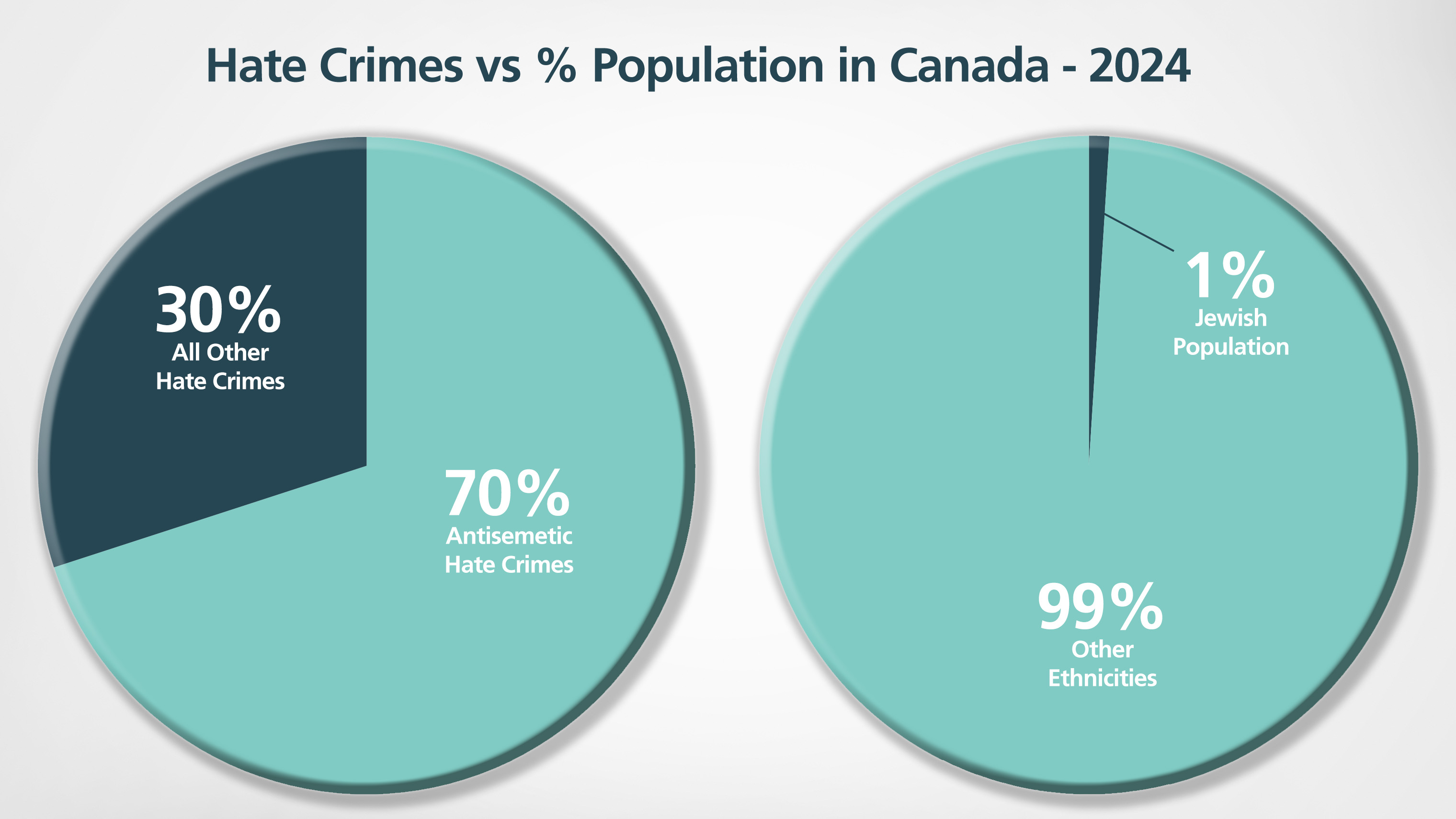
Despite Jews comprising less than 1 percent of the Canadian population, they remain the victims in about 70% of religion-based hate crimes reported to the police, according to recent national data (2023–2024).
In 2024 alone, B’nai Brith Canada recorded 6,219 antisemitic incidents, a staggering 124% increase in just two years. These included violent assaults, threats, and acts of vandalism. Police-reported hate crimes against Jews jumped 71% between 2022 and 2023.
Antisemitism today rarely announces itself outright. It arrives cloaked in moral language, woven into movements that claim to fight for justice. When hatred is framed as activism, it gains moral cover and social legitimacy. What was once condemned as prejudice is now too often excused as advocacy — a dangerous evolution that normalizes hostility toward Jews within the public conscience.
And this isn’t only happening on our streets – it’s happening in our schools.
According to the Government of Canada, nearly three-quarters of all reported antisemitic incidents in Ontario schools occurred within the Toronto District School Board (TDSB) and York Region District School Board (YRDSB)—two of the country’s largest and most diverse educational institutions. These incidents range from antisemitic graffiti to verbal harassment and threats.
These aren’t isolated acts of ignorance. They are warnings. Indicators that antisemitism is not just resurfacing – it is embedding itself into the environments where our children learn and grow.
Institutional Failure: Inclusion That Excludes Jews
Despite these realities, antisemitism often remains a blind spot in many anti-hate and equity initiatives. School boards, universities, and advocacy groups have introduced vital programs addressing anti-Black racism, anti-Asian hate, Islamophobia and LGBTQ+ inclusion. Yet, the fight against antisemitism is frequently absent, diluted, or dismissed as political rather than moral.
Government measures—like Ontario’s expansion of Holocaust education—are welcome but far from enough. Too many anti-hate toolkits and professional development sessions omit or minimize antisemitism, leaving Jewish students and staff isolated, misunderstood, or afraid to speak out.
Inclusion, when practiced selectively, becomes exclusion. When “everyone is welcome—except for Jews,” we are replicating the very logic of the ideologies we claim to oppose.
Diversity Misused: When Inclusion Gives Space to Hate
Diversity is one of Canada’s greatest strengths – an ideal that promises a society where all cultures and identities thrive. Yet, this noble concept can be manipulated, cloaked in progressive language that enables harmful ideologies to flourish in plain sight.
When hate, especially antisemitism, is disguised as advocacy or “legitimate discourse,” it grants prejudice a seat at the table. That distortion creates a paradox: principles meant to unite us are twisted to divide us.
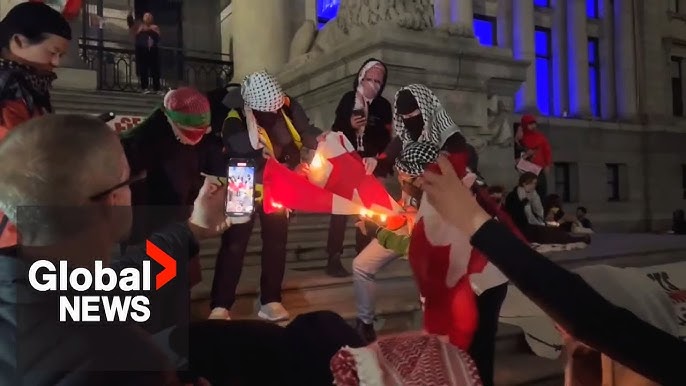
Protesters in Toronto waved Hezbollah flags and desecrated Israeli flags.
The hate visible in our streets, our schools, and online is not a Canadian value. Canada’s strength lies in genuine respect and moral consistency, not selective empathy. If we fail to defend our shared values, we risk having them redefined by those with ill intent.
Diversity must never be a shield for hate, nor a pretext to silence Jewish voices. True inclusion protects every community and ensures diversity builds bridges – not walls.
Embracing Individual and Collective Identity: Unity as Our Strength
Canada’s multicultural identity is often described as a mosaic – a beautiful blend of differences. But while we celebrate our individuality, we must not lose sight of our collective identity as Canadians.
When society fractures into competing groups, when empathy is distributed based on identity, we lose the cohesion that sustains democracy and peace.
Our enduring strength lies in unity – in the shared values of dignity, respect, and justice. Hate marches on our streets are profoundly un-Canadian and must be unequivocally condemned. Just as we would never tolerate KKK marches, we must not excuse those that target Jews.
Without leadership and accountability, chaos fills the vacuum. Laws meant to protect all citizens must be applied consistently, or they lose their moral power. If we remain silent, we allow others to define what it means to be Canadian, and to rewrite our shared values in the process.
Bridge: From Awareness to Responsibility
The numbers are sobering, but statistics alone do not drive change—people do. Educators, writers, and community leaders hold an extraordinary power to shape the moral imagination of the next generation. Our classrooms, our words, and our silence each send messages about whose pain matters and whose does not.
The presence of antisemitism in our schools, particularly where inclusion should thrive, reminds us that awareness is not enough. What’s needed now is moral courage—the willingness to name antisemitism even when it is uncomfortable, and to ensure that every conversation about equity includes Jewish identity as part of our shared human story.
What We Can Do: Education as the Antidote to Hate
Education has always been the first line of defense against ignorance—and the most enduring force for empathy.
To counter antisemitism, we must make its study and recognition a living part of our educational culture, not a historical footnote. That means ensuring professional learning, curriculum design, and classroom conversations reflect a deep understanding of antisemitism – its history, its modern expressions, and its devastating consequences.
This isn’t about politics. It’s about humanity.
When educators frame these lessons through universal values – fairness, dignity, and moral clarity – they help students see that hate doesn’t exist in isolation. It grows in silence, and it spreads when unchallenged.
We can model true inclusion by:
Naming antisemitism explicitly in anti-hate policies.
Including Jewish voices and stories in literature and classroom conversations.
Teaching critical literacy, so students can recognize when “advocacy” masks prejudice.
Responding consistently – in tone and in policy – to protect all students equally.
These small acts build moral resilience. They teach that being Canadian means standing up for one another, even, and especially, when it’s uncomfortable.
A Call to Courage
#NeverAgain is not a slogan – it’s a promise. Yet for the past two years, institutions we counted on, to remind us of the dangers of forgetting, are sitting idly by, and in some cases, allowing it to take root in their spaces, yet again.
The same mechanisms – scapegoating, vilification, institutional neglect, and social normalization – are again visible today.
To stay silent now is to let others define what it means to be Canadian, and what it means to be human. To speak up is to affirm that our values are not negotiable.
As educators and writers, we hold a quiet but profound power: the power to shape conscience. The classroom, the page, the conversation, each can become a place where clarity and compassion take root.
Antisemitism will not vanish on its own. But through education, truth-telling, and moral conviction, we can ensure it never finds comfort here again.
Lora
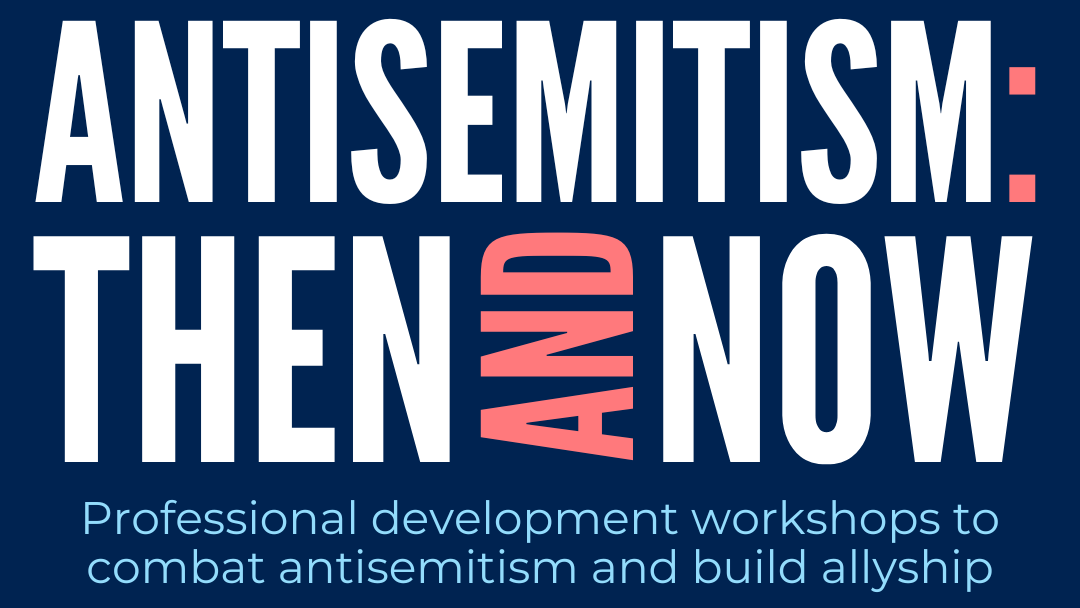
It is my hope that, as educators, we can lead thoughtful conversations about empathy, respect, and truth in our classrooms. If you are looking for a simple place to start, the Antisemitism Teacher Toolkit provides ready-to-use activities and discussion prompts to guide meaningful dialogue.
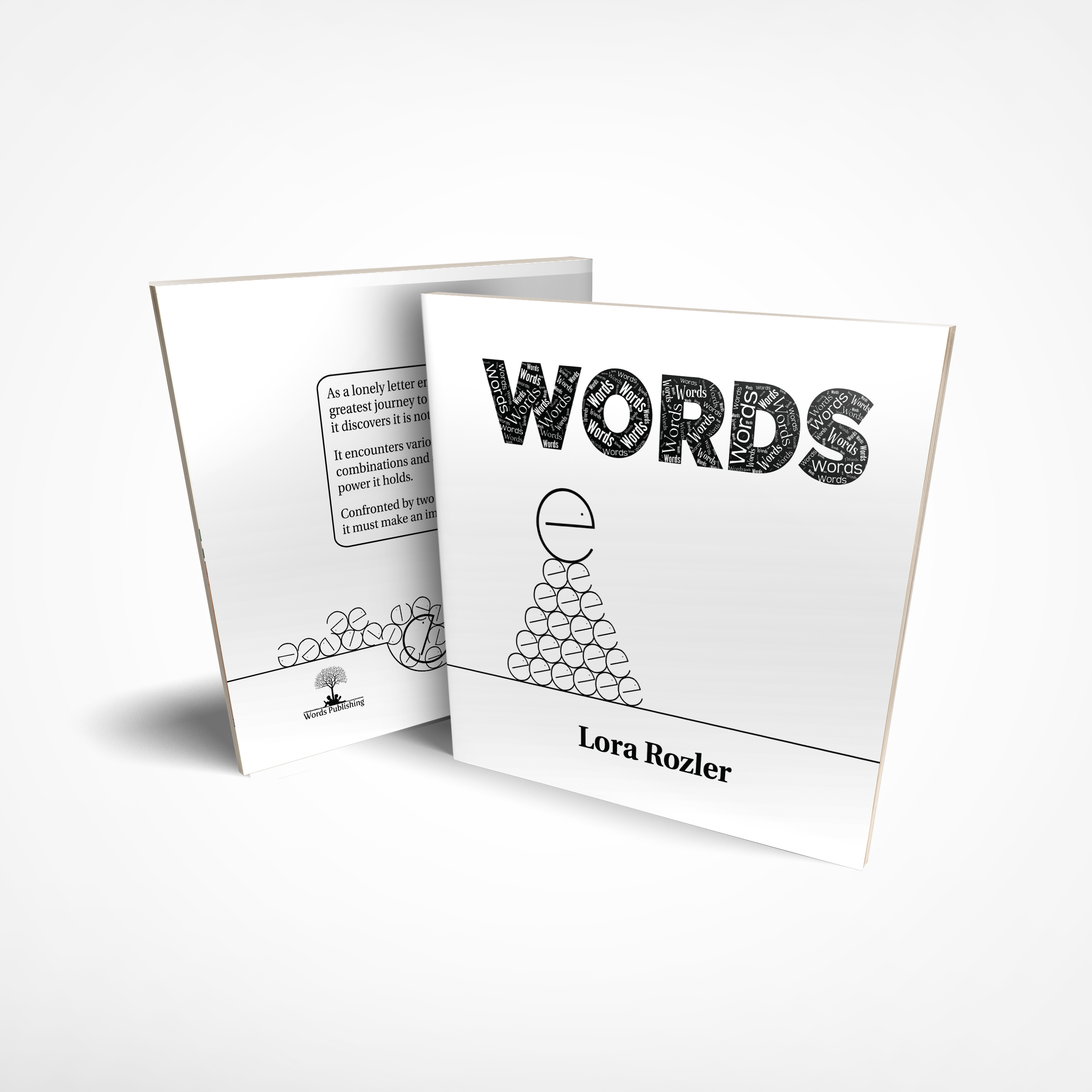
When I first wrote Words, I never imagined how far it would reach. What began as a simple poem, then story about the impact of language quickly became something more. It found a home in classrooms, in family spaces, and in conversations between children and adults. I’ve received messages from teachers using it during morning meetings, parents reading it at bedtime, and students who’ve written to say it made them think differently about the way they speak.
Words opened a door. A door into how the things we say—to others and to ourselves—carry weight. That book was about language, about kindness, about using our words to build rather than destroy. But for a long time, I’ve known there was another story waiting—one that would look inward instead of outward.
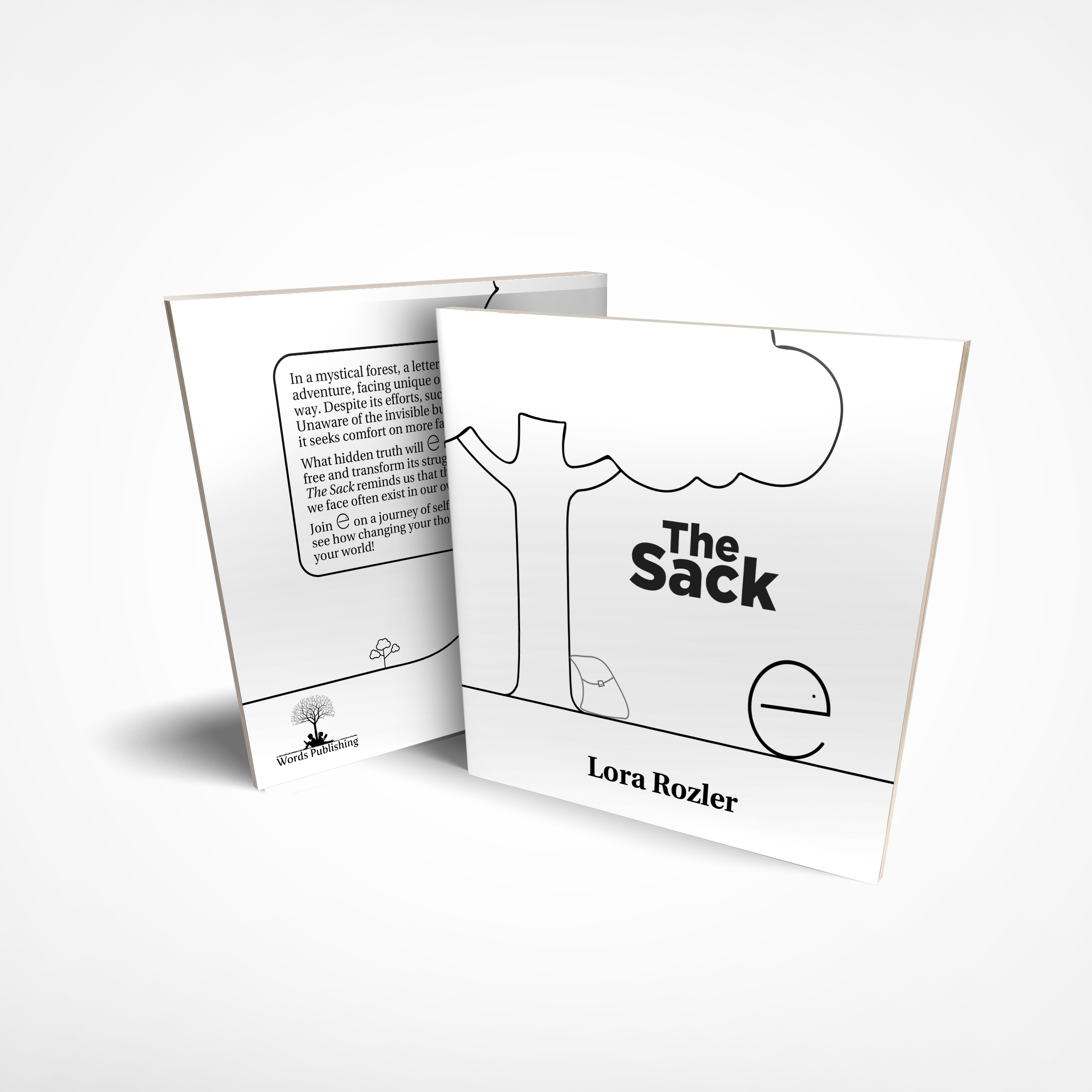
And so, I’m proud to introduce The Sack—a thoughtful sequel to Words.
What’s in The Sack?
Where Wordsexplored the language we share aloud, The Sack explores the language we speak to ourselves—the thoughts that live quietly in our minds.
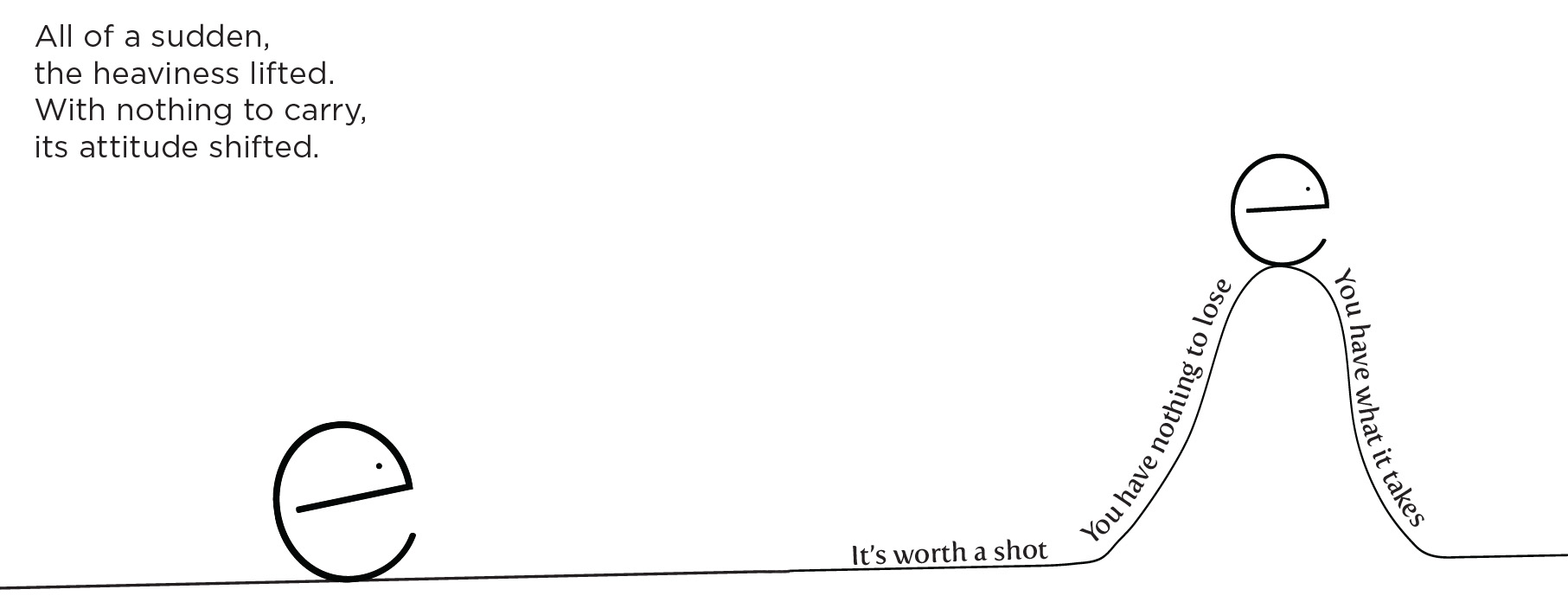
In this story, we meet a familiar character: e. Many readers connected with e in Words, and in this new journey, we follow e once again—this time as it struggles with something less visible, but just as heavy: its thoughts.
Like many children (and let’s be honest, adults too), e carries a metaphorical sack—one that gets heavier with each negative thought it holds onto. “I’m not good enough – doubt“, “No way I can do that – fear” and “What will people think it I fail – worry“. These quiet whispers build up until the sack becomes too much to carry.
But what happens when we pause to notice what’s inside that sack? What if we could choose to let some of those thoughts go?
A Story About Inner Dialogue
The Sack is not just a children’s story—it’s an invitation. An invitation to reflect, to pause, and to listen closely to the stories we tell ourselves.
It’s about emotional awareness. It’s about mindfulness. And most importantly, it’s about agency—the quiet, empowering truth that we get to choose which thoughts we hold onto, and which ones we release.
Educators, in particular, have called Words a valuable classroom resource, and I believe The Sackwill be no different. It offers a gentle, age-appropriate way to begin conversations about mental wellness, self-esteem, and the importance of positive self-talk.
Whether it’s shared during a read-aloud, a guidance lesson, or simply left on a shelf for a child to discover, The Sack offers space—space to feel, to think, to explore new challenges.
A Book for All Ages
Though The Sack is written for children (4-12), its message speaks to all of us. After all, we all carry sacks—some heavier than others. And we all need reminders now and then that we can choose what stays and what goes.
I wrote this book with my Kindergarten students in mind, but also with my own children in my heart. I wrote it for every quiet child who doubts their worth, and for the adult they’ll one day become.
If Words was about what we give to the world, The Sack is about what we carry inside—and how, by choosing what we hold onto or let go, we can rewrite our story and find success.
Whether you can or you can’t, it all begins with a thought.
– The Sack by Lora Rozler
I hope this story finds a place in your heart, your home, or your classroom. And if it invites even one person to put down a heavy thought and pick up a lighter one, then it’s done exactly what I hoped it would.
Thank you, as always, for walking alongside me—on this limb, with these words.
Teaching Resources Available
To help bring the story into learning spaces, I’ve created free downloadable resources—including reflection questions and writing/drawing prompts—available at lorarozler.com.
Whether you’re planning a mindfulness unit, a social-emotional circle time, or simply want to explore metaphor and meaning, these tools are there to support you.
The Sack is available now on Amazon and other online retailers. If you enjoyed Words, I truly believe this book will resonate just as deeply—perhaps even more so, as we take the journey inward.
Let’s help children (and ourselves) learn to let go of what no longer serves us—one thought at a time.
So we’ve been cooped up at home for quite some time now due to the pandemic. For us adults, the use of technology plays a pertinent role in maintaining our social connection to the outside world. But for the little ones whose main form of socialization stems from the school environment, this can be especially difficult.
Social distancing keeps our children physically safe but how do we ensure they don’t socially wilt during this era of isolation?
Here are some simple ways to help your child stay connected to family and friends and develop important skills while doing so:
Phone conversations – This form of communication seems to have gone by the wayside with the increase of smartphones (talking has been traded in for texting) but it can be quite beneficial for our little ones who are still developing their oral communication and social skills.
Talking over the phone helps children learn how to start (and end) conversations, engage in a back and forth dialogue (understand the reciprocity of communication), improve attention span, increase vocabulary, build empathy, give insight into other’s lives, develop oral language skills (speaking, listening, questioning, clarifying, rephrasing) as well as build and maintain friendships.
Video chatting (i.e., WhatsApp, Zoom, Meet, Skype) – Just like speaking over the phone, this form of interaction is quite valuable as well. The added bonus here is the ability to see the other person’s expressions and reactions during the conversation. Reading body language is very important in understanding non-verbal communication. Learning to read gestures, tone of voice, posture and facial expressions can tell us a lot about our listeners. Are they attentive, bored, relaxed, happy, excited, confused? This can help young ones navigate the conversation better as they start to understand the give and take of communicating with others.
Video chatting can also allow children to introduce another branch of topics into their conversation. We all know from Show and Tell that children love to talk about their favourite toys and share their work with others. Video chatting allows for this kind of engagement more readily (and gives you a bit of a break).
Social Games (Roblox, Fortnite, Mindcraft, Maker 2) – Although you may to limit the amount of time your child spends on video games, certain games can provide your child with the opportunity to interact with friends virtually.
Just as physical exercise helps in improving and strengthening muscles, cognitive games can help with cognitive functions. It can help improve coordination, memory, attention, concentration, as well as problem-solving and social skills.
Writing Letters – Despite the prevalence of emails and text messages, everyone has to write letters at some point. Encouraging children to write letters from an early age will improve their communication, social and handwriting skills. It will also teach them how to structure letters. Letters can be valuable keepsakes as well.
Letter-writing does not only help children stay connected, but also reinforces important literacy skills and concepts. Writing letters can also be a lot of fun, especially if you can include different kinds of stationary, writing material, decorative stickers, stamps, and photos. The more creative children can get, the more they will gravitate toward this form of communication.
To introduce my students to the format of letter-writing, I wrote and shared a new poem with them, titledI Wrote a Letter.
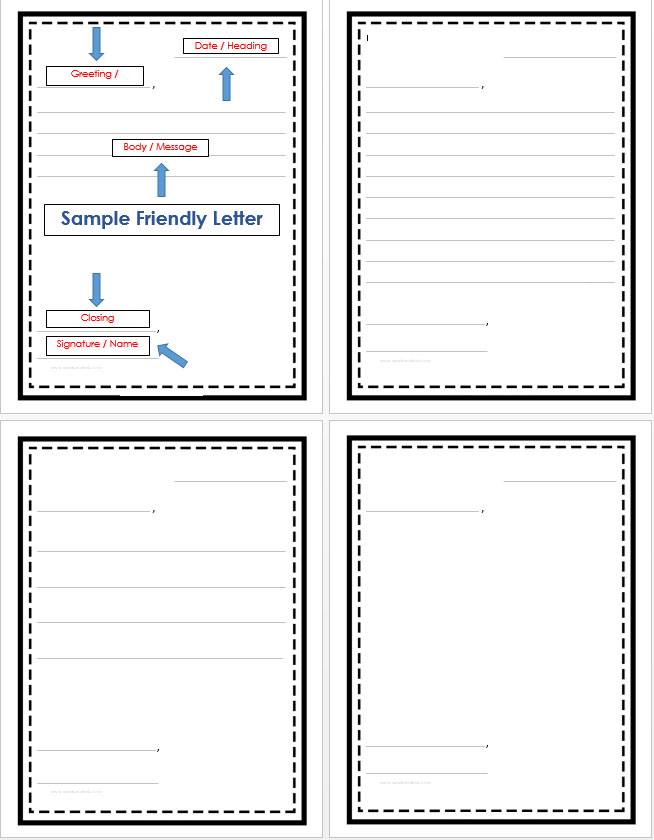
The poem highlights the five elements of a friendly letter in a fun and lyrical way. If you are interested in downloading a copy for your personal use at home or in the classroom, please head over to my TPT store HEREto get the complete package. It includes three letter-writing templates (to accommodate different writing stages) and a sample page with headings.
Everyone loves to get mail, especially a nice note addressed just to them. Introducing this form of communication to your child will open up a new world to them, especially in today’s technological age where this is becoming a rarity.
Hello everyone – happy Monday! I wanted to share my latest poem with you.
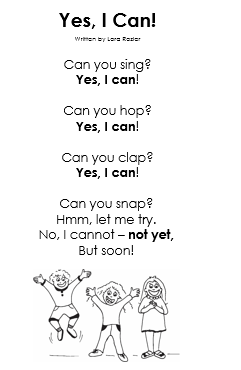
Yes, I Can! was inspired by a lot of self-defeating comments I’ve come to hear over the last 18 years teaching. Truthfully, if I had a nickel every time I heard a student say I can’t do it, I’d be off on a yacht somewhere right now (nah, maybe not – I get sea sick). Joking aside, the reality is that none of us are perfect. None of us can do everything. And sometimes, no matter how hard we try, we still don’t master various things – and that’s okay, at least we tried.
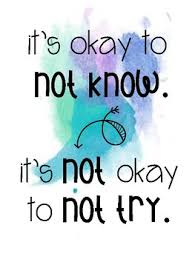
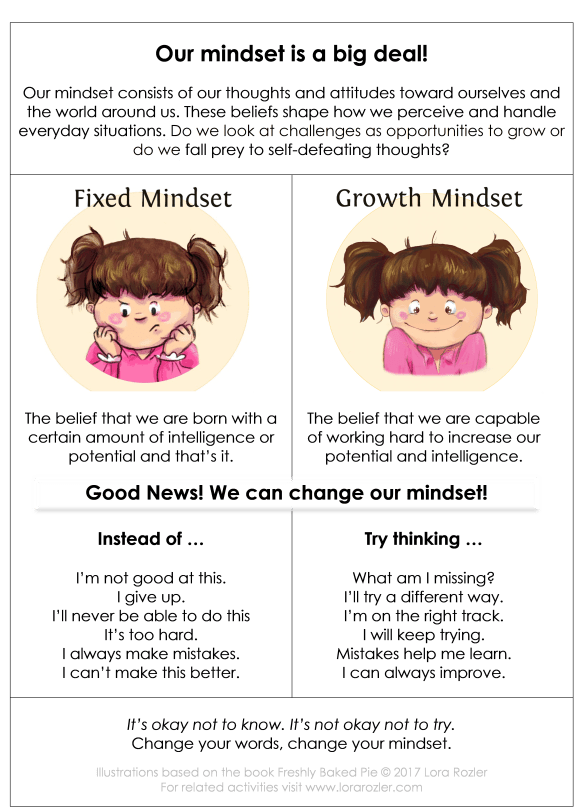
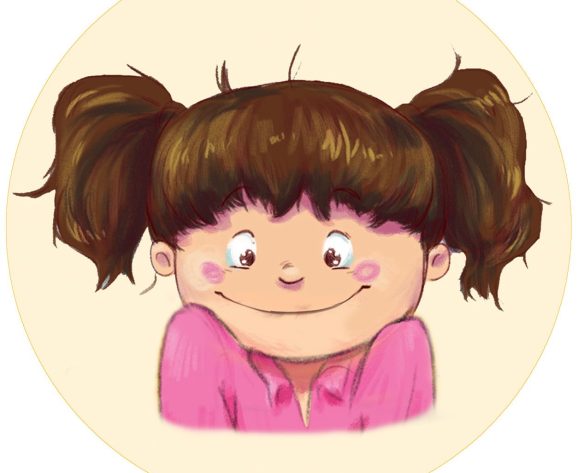
It’s when students give up before they even try that it’s NOT OKAY. That’s the point I’ve been trying to make with my students last week. Yes, some things are hard. Some tasks will challenge us. But the attitude we have toward challenges is what determines the outcome. It is this mindset, over time, that will shape and condition our thoughts and beliefs about ourselves. Our mindset consists of our thoughts and attitudes toward ourselves and the world around us. These beliefs shape how we perceive and handle everyday situations. Do we look at challenges as opportunities to grow or do we fall prey to self-defeating thoughts?
Yes, I Can! is a poem I wrote that celebrates what children can do, as well as embraces that which they cannot, yet, do. Teaching children to have a “Growth Mindset” is crucial in helping them become better learners. After all, in order to succeed at anything, we must persist and push ourselves forward, despite the challenges. Positive self-talk is what helps children persevere and not give up. Yes, I Can! encourages children to adopt positive self-talk. Instead of focusing on ‘I can’t do it!’, it re-frames their thinking, ‘I can’t do it, yet!’
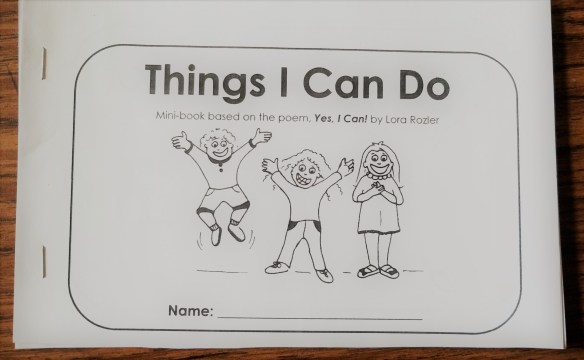
Along with the poem, I created a follow-up worksheet (rehearsing high-frequency word can) and a mini-book that is co-authored with me (my students were thrilled with the idea). It invites students to fill in a missing high-frequency word, as well as add a skill or task they can complete successfully, as well another skill they aspire to learn, reminding them that their mindset is the only thing in the way.
In all the excitement to teach children that our mindset is not a fixed state, I created a visual anchor for the classroom. Feel free to download a copy for your personal use by clicking on the image below.
To download a copy of the poem, Yes, I Can! along with the follow-up activities, click on the image below.
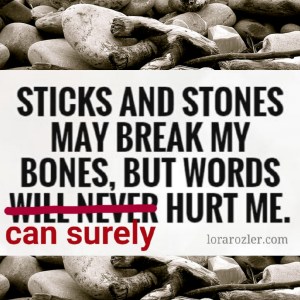
Whoever said sticks and stones may break my bones, but words will never hurt me surely didn’t know what they were talking about!
WORDS HURT!
Bones heal, but left unchecked, the pain caused by words can linger for years.
We can all relate, I’m sure!
A word uttered that stayed with us too long. A word spoken we wish we could take back. A word unsaid we yearned had come to life. Whether we heard it, spoke it, or wished it to be said, one thing is for sure – words, or lack thereof, have a profound impact on our well-being and the way we see ourselves in relation to the world.
Words can build and shape our self-esteem or just as easily tear us apart. The world can be seen as a loving place or the world can seem cruel.
What takes only seconds to utter can leave an imprint for a lifetime.
Over the last couple of weeks it became my goal to share this message with my students. We read many books about friendship, kindness and the power of words, beginning with my very own picture book, Words. Since its original publication in 2015, I have had the pleasure of speaking with many parents and educators who used the book to springboard discussions with children around its various themes: belonging, fitting-in, bullying, friendship, making positive choices, character education, growth mindset, building a community, empowering others, etc. This list is not exhaustive -depending on the angle and your students’ age group, Words can be used to build on many important learning skills and themes.
I’m happy to share these ideas with you in my updated Words Companion Kit,
consisting of classroom lessons and activities, as well as teaching resources.
ACTIVITIES TO TEACH THE IMPACT OF WORDS
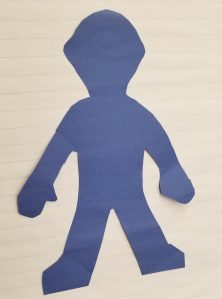
Think Before You Speak – Prior to the lesson, cut out an outline of a person (gender-neutral). To avoid race-specific figures, you may want to steer clear
of skin colour construction paper.
Begin by introducing students to their new classmate (you may want to use a number as a name in order to avoid associations with students). Ask students to think of mean and hurtful things they may have heard before. You may want to start by giving an example (i.e., “I once heard …”). Then invite students, one at a time, to come up and direct mean statements at Eleven (i.e., “You look funny” or “I don’t like you”).
Each time a student makes a hurtful comment, ask them to rip off a piece of Eleven’s’s body and hang onto it. Continue until Eleven is significantly torn up. Then challenge students to reflect on how Eleven must be feeling based on what transpired. Eleven is obviously really hurt. This is where I like to interject and point out phrases we often use to convey wounded feelings, such as feeling torn up, having a broken heart. The emotional context gives these words powerful meaning.
Next, encourage students to think of ways to make Eleven feel better. Certainly an apology would help. Invite the students who insulted Eleven to come up and apologize, while taping its torn limb back with a band-aid. When all the tears have been bandaged, ask students reflect on how the new student looks (better than before but still damaged, broken, hurt, wounded).
This may be a good time to decipher between physical wounds and emotional ones. Invite students to reflect on the saying, Sticks and stones may break my bones but words will never hurt me. What does it mean? Is it true? Can we change that statement to be reflective of the truth? You may want to collectively write up a revised saying and hang it alongside Eleven. Place Eleven in a visible place around the room as a constant reminder to always think before we speak. As a follow-up, you may want to have students write a reflection about what they learned from this activity.
TAKE-AWAY: Words cannot be unsaid. No matter how much we apologize, their damage cannot be reversed. Though band-aids help with physical ailments, they cannot be placed on a person’s heart. Hurtful words create scars inside us, and if we let them, they can last a lifetime.
Words are like a Tube of Toothpaste – For this lesson, you will need a tube of toothpaste and a plate. Begin by asking students what toothpaste is used for. Brushing our teeth keeping our mouth healthy. Point out to students that toothpaste is very much like words. Invite a volunteer to squirt toothpaste onto a plate. When he or she is done, ask them to put the toothpaste back into the tube. Obviously this will not be possible. The idea is to demonstrate that much like toothpaste, our words work the same way. When we use the right words to empower others, they bring people joy – just as the right amount of toothpaste does to our teeth. However, if we are not careful with the toothpaste, and we squeeze a lot out, we can easily make a big mess. The same is true with our words – if we’re not careful and if we don’t think before we speak, we can hurt others with the things we say.
TAKE-AWAY: Once a word is spoken, it cannot be taken back no matter how much we apologize and try. While we may forget what we’ve said, the person on the receiving end will remember it for years. Invite students to share experiences and examples of this, and perhaps even share your own stories.
Wrinkled Hearts – For this lesson, you will need to prepare a large cut-out of a heart and select a book that is driven by a character’s unfortunate interaction with others (The Rat and the Tiger, Words, Chrysanthemum). Tell students that you will read a story that shows how important it is to treat each another with respect and kindness. Hold up the heart and explain that each of us has a heart, which holds our happiness and our good feelings.
Tell students that we will pretend that this heart is the main character’s heart. As you read the story, invite students to come up and crumple the heart each time the main character experiences something hurtful. By the end of the reading, the heart will be crumbled quite a bit. This is a great way to demonstrate how our hearts feels when we get hurt by mean words and actions. Invite students to come up and say nice things to the main character, trying to smooth out its heart, a little each time. Students will quickly notice that no matter how much they apologize and flatten the heart, it will never be the same again.
TAKE-AWAY: It’s hard to fix a wrinkled heart! Mean words leave sad feelings in our hearts, which last for a long time. Bandage the heart and post it around the room as a reminder to always choose words wisely.
Words in the Classroom – There are many powerful picture books that lend themselves beautifully to teaching children about life’s many important lessons. Words is one of them. It is a simple, yet high concept picture book that strives to empower children to make positive choices in their daily interactions with others. A big part of life is, after all, based on the relationships we have with one another. In writing this book, it became very important for me to empower children, to show them how impactful they can be. With this understanding, I can only hope that they use their power for good, for creating loving relationships, through their words and actions.
Words explores universal themes of discovery, relationships and the need to belong, with an underlying message about bullying. As a lonely letter that sets off on a journey to find meaning, it encounters various letter combinations and soon discovers the power it holds. It is confronted by two distinct paths and must make an important choice. Words is an evocative tale about how letters become words and words create meaning – meaning which could ultimately build or destroy. Get your copy here.
Depending on your students’ age group and the dynamics of your class, Words can be used to teach a wide array of concepts. Below I have outlined various discussion points and lesson ideas to complement the various themes in the story. Feel free to use them as you see fit in your classroom. Please note that these are just some of the ideas included in the kit. For more lesson ideas and free templates, download the complete kit (link of the bottom of the post).
Building Literacy Concepts – letter identification, letter sounds, word formation, word meaning, sorting words.
Making Connections: Relating to the Text – Have you ever felt alone? What did that feel like? What do you compelled Little e to set off on a journey? What was it seeking to find? Have you ever had to make a difficult choice? How did you solve your dilemma?
Words and Emotions – What role do words play in our emotions? When is this a positive experience? When is this a negative experience? Why? How can we use this knowledge to improve communication with others?
Exploring Literary Devices – Look for examples of literary devices in the story (allegory, metaphors, personification, symbolism, foreshadowing, imagery). How do these literary devices shape the story line? How would the story go if Little e was a boy or girl?
Word Web – Choose a concept or idea that you’d like to explore with your students. They can be found in the book. See these 2 pages, for example. Write the focus word on chart paper and invite students to brainstorm their thoughts, feelings and ideas relating to it. Example:
What does it look like? How does it feel? What is its purpose? What are its ramifications?
This activity may be used again and again with subsequent readings of the story, while focusing on a different aspect each time.
Words Depicted – Words are heard and felt. One of my favourite follow-up activities to the book involves inviting students to depict words in an art form (music, drama, dance, photography, etc). Examples include creating a collage to depict PAIN, acting out a scene relating to GREED, demonstrating SELF-ESTEEM in a visual art piece, making a diorama to show BROKEN, etc. You may want to assign various words to students or let them choose a word independently. Since words can sometimes mean different things based on their context and people’s personal experiences with them, it’s interesting to see how the same word can evoke different emotions and therefore be represented differently.
I should note that it is not my suggestion that certain words are ‘good’ while others are ‘bad’. A word could be neither. The meaning we give a word is often based on our personal experiences; changing from person to person, from situation to situation. Let’s look, for example, at the word bold. On its own, it is neither negative nor positive. However, in various contexts it can be used to implore daring, fearless, impudence; while in other contexts, it can be shaped to mean confident, straightforward, courageous. Again, neither category being straight-out good or bad. Words aims to explore the feelings and ideas that are generated by word concepts and the meaning behind them.
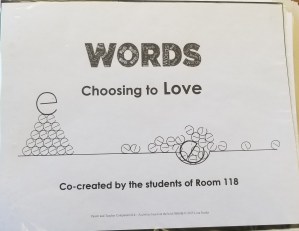
Classroom Book – Invite students to reflect on what it means to love, on a daily basis. How is it shown in our day-to-day interactions with others? Bind these reflective pieces into a class book that the students can enjoy throughout the year. Students love seeing their work in the classroom library.
Apple Experiment
This word experiment on apples was inspired by Dr. Masaru Emoto’s experiment on water. Dr. Masaru Emoto, was a Japanese scientist who revolutionized the idea that our thoughts and intentions impact the physical realm. For over 20 years, he studied the scientific evidence of how the molecular structure in water transforms when it is exposed to human words, thoughts, sounds and intentions. TAKE-AWAY: Your words have the power to build a person, to empower them, to promote love. Your words also have the power to destroy a person’s spirit, to torment, to spread hate. Words are impactful – choose wisely.
ACTIVITIES THAT ENCOURAGE STUDENTS TO BUILD EACH OTHER UP
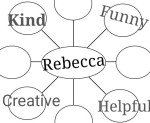
Character Web – Place all your students’ names in a jar. Invite each student to draw a name and create a Character Web about their selected classmate. Depending on your students’ age, you may want to precede this activity by brainstorming adjectives and have a list of them accessible around the room. Ask students to think of as many uplifting words as they can to describe this person. Read over the webs prior to presentation and hang them around the room for esteem building and to help enforce a positive classroom climate.
Name Poems – As an alternative to the Character Web, the activity above can be modified for use as an acrostic name poem.
Praise Words – Brainstorm a list of Praise Words and hang them around the classroom. Encourage students to refer to the list throughout the day and use them as much as possible when interacting with others. Some example include: “I like the way you…” “Thank you for…” “I appreciate when you…” “You are really good at…”
To download a personal copy of Words Companion Kit,
click on the image below.
Words can heal or hurt. They can encourage creativity or dampen a person’s spirits, they can boost self-esteem or destroy confidence, build understanding and compassion or build barriers and apathy. What comes out of our mouth can do a lot of good but conversely a lot of damage. Let’s teach our students to be compassionate, to be kind, to use our words lovingly, always to build.
I’d love to hear your lesson ideas and inspiring literature around this topic.
Hello everyone! I was delighted to be featured in Story Monsters Literary Magazine this past week.
I’d like to share my interview with you.
♥ Lora
Where did you grow up?
I was born in Israel and moved to Toronto when I was 11 years old. My family had just emigrated from Russia when I was born. I grew up weaved into a mix of cultures which taught me to have an appreciation for differences. But I can honestly say, having lived in Canada most of my life, I feel very much Canadian at heart.
What were some of your favorite authors and books? I loved (and still enjoy) Shel Silverstein’s color-outside-the-lines style of poems and stories. One of my absolute favourite books by him is The Giving Tree. Also, I’ve always enjoyed fairy tales (but didn’t we all?). Charlotte’s Web, The Babysitter’s Club series and The Outsiders were some of my other favourites when I was growing up.
What did you want to be when you grew up? I’ve wanted to be a teacher since I was 5 years old. At some point that changed to wanting to become an interior designer, a lawyer, and even a psychologist. I finally opted for my first love and chose a career in teaching.
Tell us about some of the jobs you’ve had before you became a writer. Some years into my teaching career, I began writing poems and stories for my students. I guess you can say that writing became a calling after I began to see how important storytelling was as an educational tool. But then, I also learned that books added a fun element as well. I’m delighted that I had a built-in audience before I even published my first book!
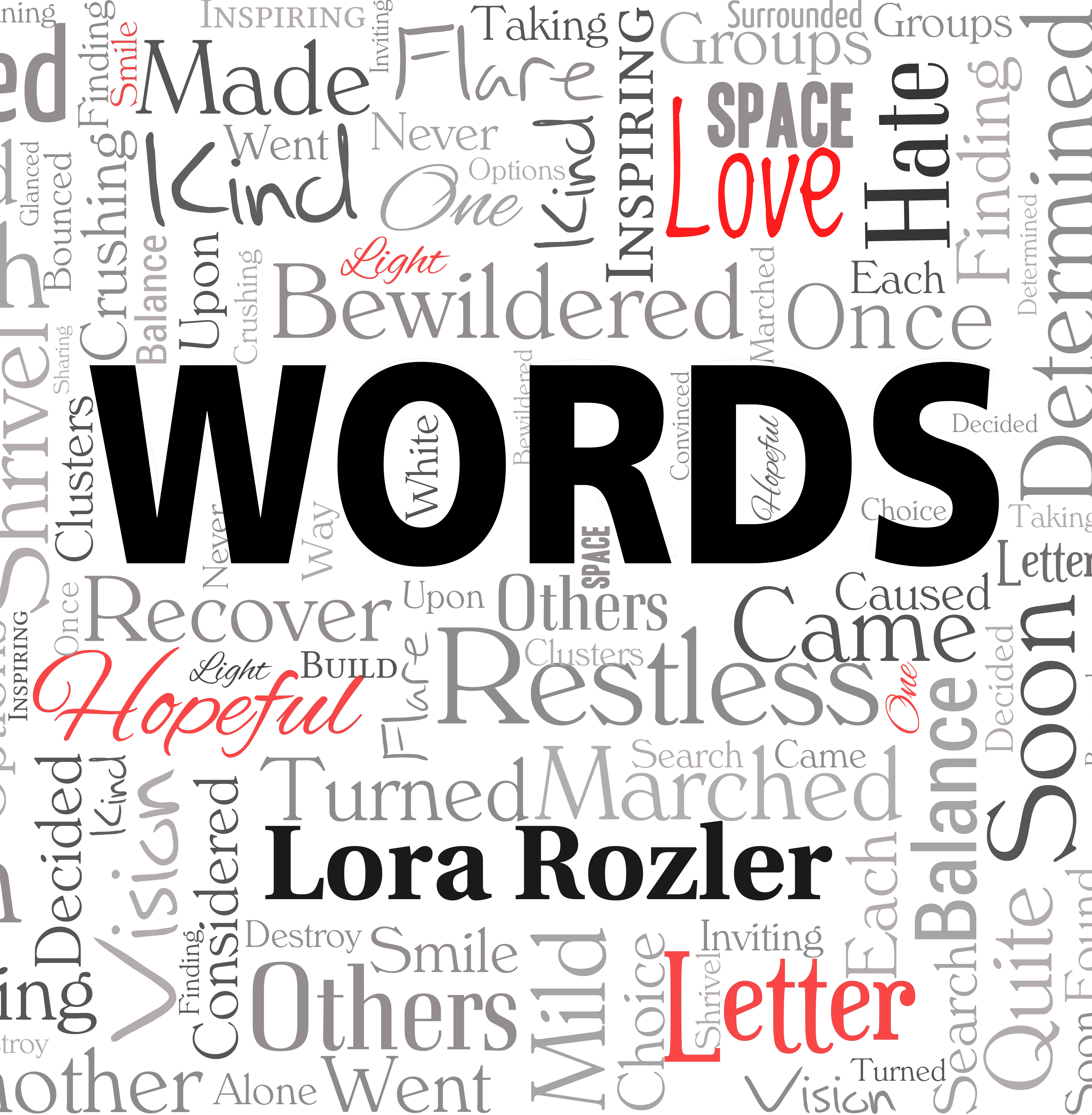
How did you get started writing? I wrote quite a bit as a teenager (mostly poetry) but found an audience for my writing in the classroom, writing mainly to support areas of study at school. I eventually discovered a terrific outlet to share my work with others—on my blog (wordsonalimb.com) and associated social media. This allowed me to create a digital library of some of my classroom content. In fact, several years ago, I wrote a poem to teach students about the power of words and their impact. It began to receive positive feedback from students, parents, colleagues, and online subscribers. It soon took a life of its own as an animation and eventually as my first a picture book, Words. This was the breakthrough that marked the beginning of my writing journey.
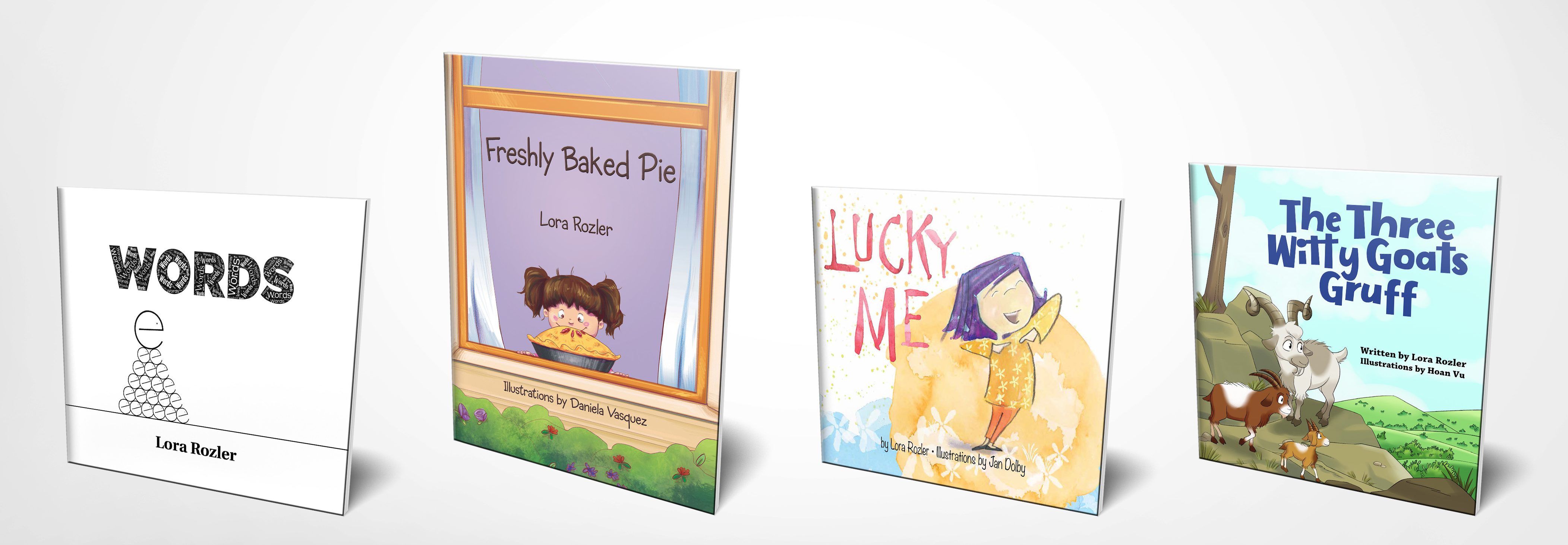
Why do you write books? I love taking an idea and molding it to life with words and images. I also love being able to convey important messages through literature. These notions shine through in my book Freshly Baked Pie. It is a simple story, based on a poem that I wrote, that, through effective illustrations and whimsical writing, both gently teaches a lesson and entertains readers.
What do you like best about writing? I love the creativity and flexibility that writing offers. Anything and everything can exist in our imagination. Real life may have boundaries, but stories, not so much. I revel in seeing a concept, that exists only as a mental sketch, come alive through words and images. I also appreciate the way an author can arrange letters, words, and sentences into a composition that evokes strong emotions—joy, sadness, surprise, wonder or inspiration. I also feel that picture books give me the freedom to take a lyrical form of writing, like poetry, and transform it into a story that can be enjoyed at bedtime. There is something unique about being able to create art from a simple idea.
What do you find the most challenging about writing? Writing requires commitment, dedication, and most of all, discipline in order to take it beyond a hobby. So I have learned to carve out time from my busy schedule to meet self-imposed deadlines. Sometimes I find that ideas flow through my head faster than I have time to devote to them, and that can be quite frustrating.
What do you think makes a good story? I think a good story has a redeemable value, something the reader can take away, all the while being entertained. Also, a good story has an element that the reader can relate to, whether it be a character or an event. That connection between literature and real life experiences make the story more meaningful to the reader.
Where do you get your inspiration? My inspiration comes from working with kids,
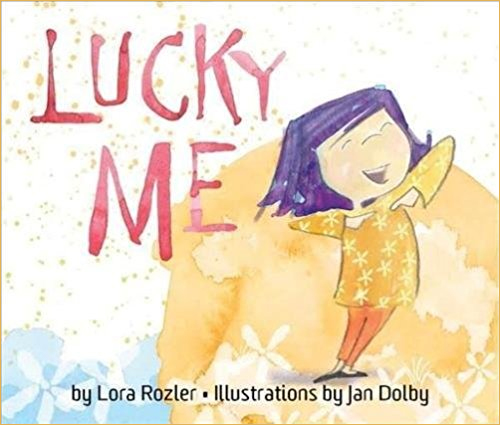
my students, and my children. Sometimes an idea strikes amid a busy, noisy day. Other times a vision sneaks up in quiet moments of contemplation. My book, Lucky Me, stemmed from a theme we discussed in school. It was around the time of Thanksgiving and we had a great conversation about gratitude and things we felt blessed to have in our lives. This inspired me to write a poem for my class, and eventually I wanted to share this message of gratitude with a wider audience. Regardless of where in the world we each came from, and what stories we each had to tell, we had one thing in common—a sense of gratitude. This element inspired me to incorporate thank you in many languages. Several arduous months later, we published a truly global and memorable, sweet picture book. It was a hop, skip, and a jump from conversation to message-filled pages.
Tell us about your latest book/project. My most recent title, The Three Witty Goats Gruff is a modern adaptation of the fairy tale, Three Billy Goats Gruff. Once again, the idea came from a simple math lesson about measurement and patterning. My students loved learning math through this story of the three goats! The math unit became my best-selling teacher resource package on a website I love to contribute to, called Teachers Pay Teachers. Once again, I felt compelled to transform this simple lesson into a book that can both teach and entertain kids all over the world. In my remake of the story, I proposed an alternative way for the goats to solve their dilemma—rather than using force to subdue their bully, they use their wit to outmaneuver the greedy old troll. As well, I incorporated a female goat as the heroine of the story as girls are seldom depicted as the hero, and I felt it was time to turn the tables! The book also contains plenty of fun learning opportunities for young children. I am so pleased to have completed and published this title.
What’s next for you? I am currently working on a compilation book that features many of my poems and short stories that I composed throughout my writing and teaching career. Obviously not all of them can make it into a full picture book! But I wanted to share them in the shorter format just the same. I feel this book will be a landmark piece on a personal and professional level. Sometimes writers can feel vulnerable when they compile an anthology of personal thoughts in words. For me, it is especially the case since I will be sharing work that spans from my early years as a writer to some of my latest poems and short stories. We are currently deciding on the illustrations and book design, but it won’t be long! I am also working on converting my published books into a digital format so parents all over can swipe through my stories on their tablets before bedtime.
Is there anything we didn’t ask that you’d like people to know about you and/or your books? I want your readers to know that, like many authors, my books are very personal to me, creations that I have nursed from their infancy until they are shared with the world. Readers will find that they can enjoy my stories on many levels: as literal stories, symbolic allegories, educational tools, and of course, bedtime treats.
Many of us now find ourselves singing, whistling, humming along to our favourite holiday tune as we walk around town, excited about the season, the gift-buying, the work parties, often having too many sweets and being covered by the sparkles from all the holiday greeting cards. At home, decorations are up, and plans have been made with family and friends. Kids are ecstatic, the promise of treats, toys, games dancing in their heads.
There is something intoxicating about the holiday season – nothing in the year matches it. No matter your faith, you can find something to celebrate – oftentimes drinking in the joy like a rich, creamy eggnog. But, in the midst of the holiday crowd you can also find pain for many. This time of year can also be a reminder of broken relationships, hard times, less than successful attempts to live the dream of a better life and maybe the empty chairs of loved ones that may have left us too soon.
I recently came across this ad, which struck a cord…
So how do we create a balance, an equilibrium between the joy in our own lives and the lack thereof in the lives of others? It seems the answer is found in our own communities. Why not find a moment to assist those who cannot respectively share in the holiday cheer. Maybe as we scurry through the grocery aisles picking up all the last trimmings for the our special dinners, grab an extra couple of items for the food banks that, during this time, are often under strain serving our needful communities. After all, what is the holiday season without giving and sharing? It only takes a moment, but it can make a great difference in someone else’s life.
Many years ago a beautiful song came out called, “Do they know it’s Christmas”. It often plays in holiday concerts and festivities around this time of year. There is one particular line that stands out for me, “Well, tonight thank God it’s them instead of you.” It is a reminder that there is a world outside our window, and it’s not always joyous. It made me think of something we often overlook, especially as we get all caught up in holiday preparations, and that is acknowledging and being grateful for what we have, however big or small. After all, there is always something to be thankful for.
So amidst all the celebration, the family, the music, the presents, the cheer, let’s take a moment and count our blessings, find something to celebrate – whatever it is that completes our little corner of the world.
I am most honoured and excited to introduce my latest picture-book, Lucky Me, which centres around this concept of gratitude, shedding light on all the small miracles that we sometimes forget to be thankful for. I’d love to recommend it to you.
Lucky Me celebrates the concepts of thankfulness as it explores the world with a series of evocative, one line descriptions of situations wherein a child (or adult), might be inclined to thank one’s lucky star. The extraordinary book shares 36 of these celebrations, each exquisitely illustrated by Jan Dolby.
Whatever is beautiful, whatever is meaningful, whatever brings you happiness, may it be yours this holiday season. May your days sparkle with moments of love, laughter, and goodwill, and may the year ahead be full of contentment and joy.
Wishing you and your loved ones a Happy Holiday season and a blessed New Year!












 So we’ve been cooped up at home for quite some time now due to the pandemic. For us adults, the use of technology plays a pertinent role in maintaining our social connection to the outside world. But for the little ones whose main form of socialization stems from the school environment, this can be especially difficult.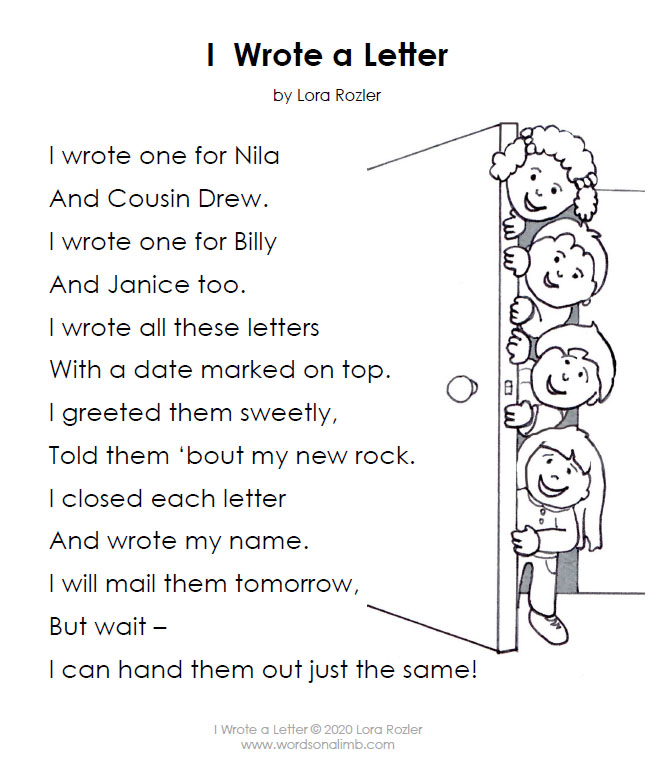



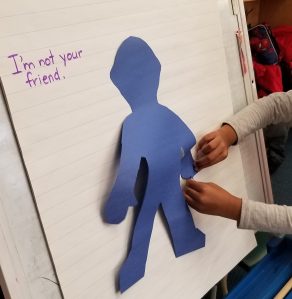 Each time a student makes a hurtful comment, ask them to rip off a piece of Eleven’s’s body and hang onto it. Continue until Eleven is significantly torn up. Then challenge students to reflect on how Eleven must be feeling based on what transpired.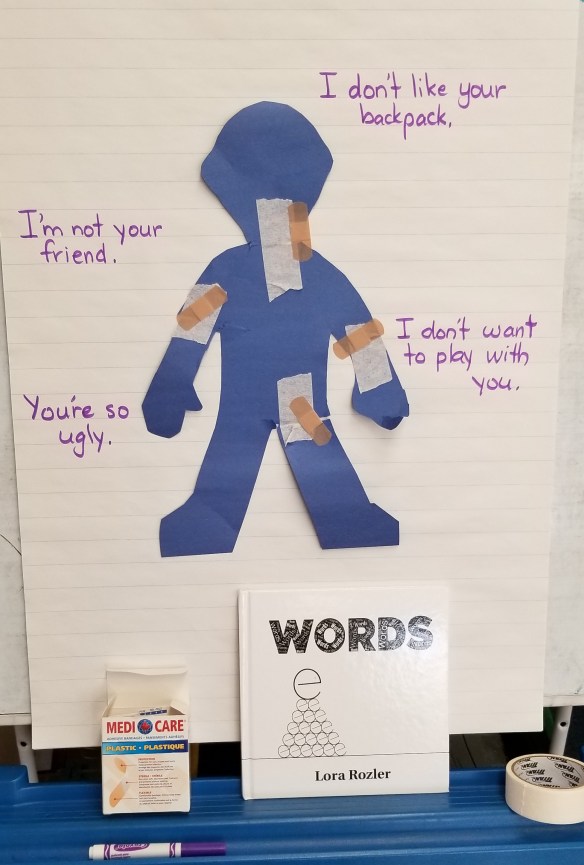
 Invite a volunteer to squirt toothpaste onto a plate. When he or she is done, ask them to put the toothpaste back into the tube. Obviously this will not be possible. The idea is to demonstrate that much like toothpaste, our words work the same way. When we use the right words to empower others, they bring people joy – just as the right amount of toothpaste does to our teeth. However, if we are not careful with the toothpaste, and we squeeze a lot out, we can easily make a big mess. The same is true with our words – if we’re not careful and if we don’t think before we speak, we can hurt others with the things we say.
 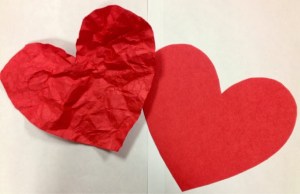 Hold up the heart and explain that each of us has a heart, which holds our happiness and our good feelings.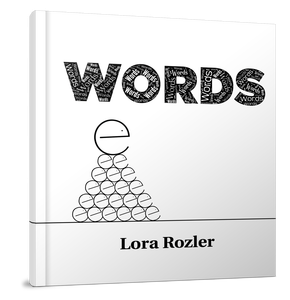
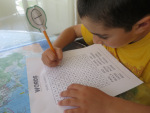
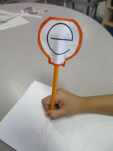
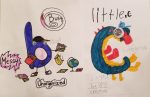
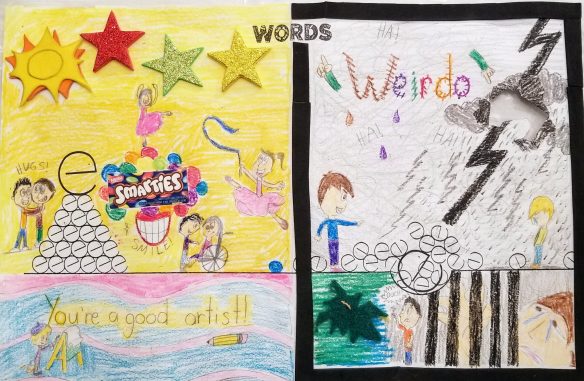
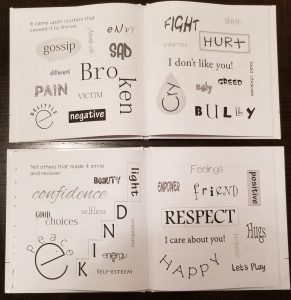 Write the focus word on chart paper and invite students to brainstorm their thoughts, feelings and ideas relating to it. Example:


 Where did you grow up?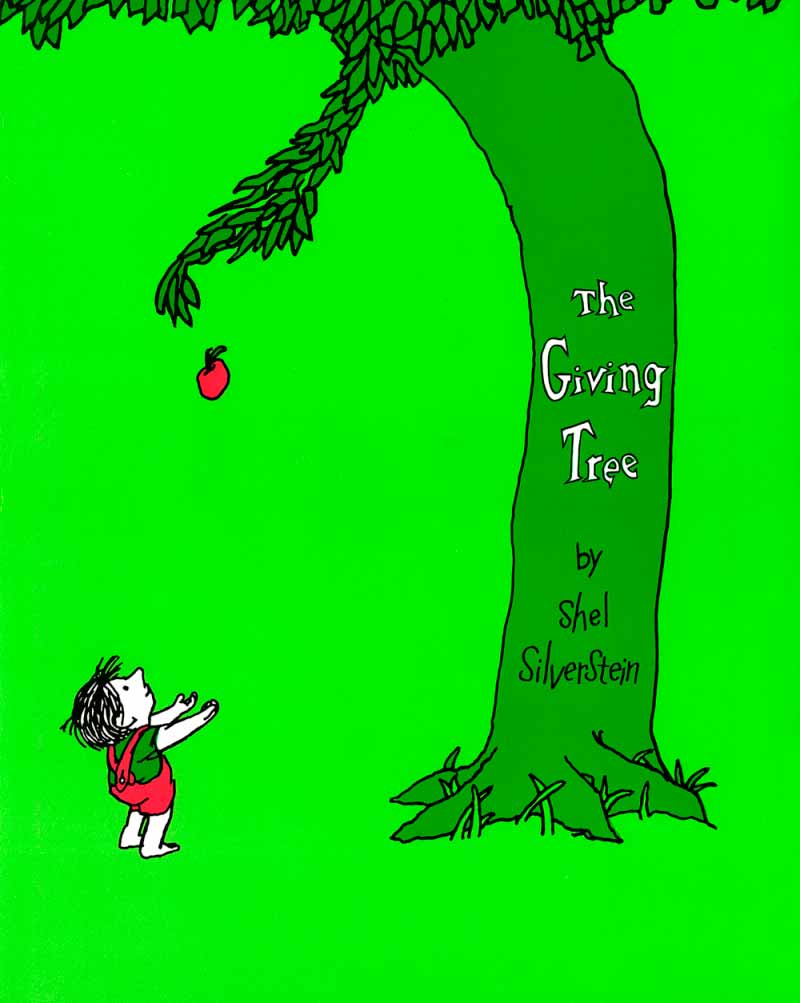
 I wrote quite a bit as a teenager (mostly poetry) but found an audience for my writing in the classroom, writing mainly to support areas of study at school. I eventually discovered a terrific outlet to share my work with others—on my blog (wordsonalimb.com) and associated social media. This allowed me to create a digital library of some of my classroom content. In fact, several years ago, I wrote a poem to teach students about the power of words and their impact. It began to receive positive feedback from students, parents, colleagues, and online subscribers. It soon took a life of its own as an animation and eventually as my first a picture book,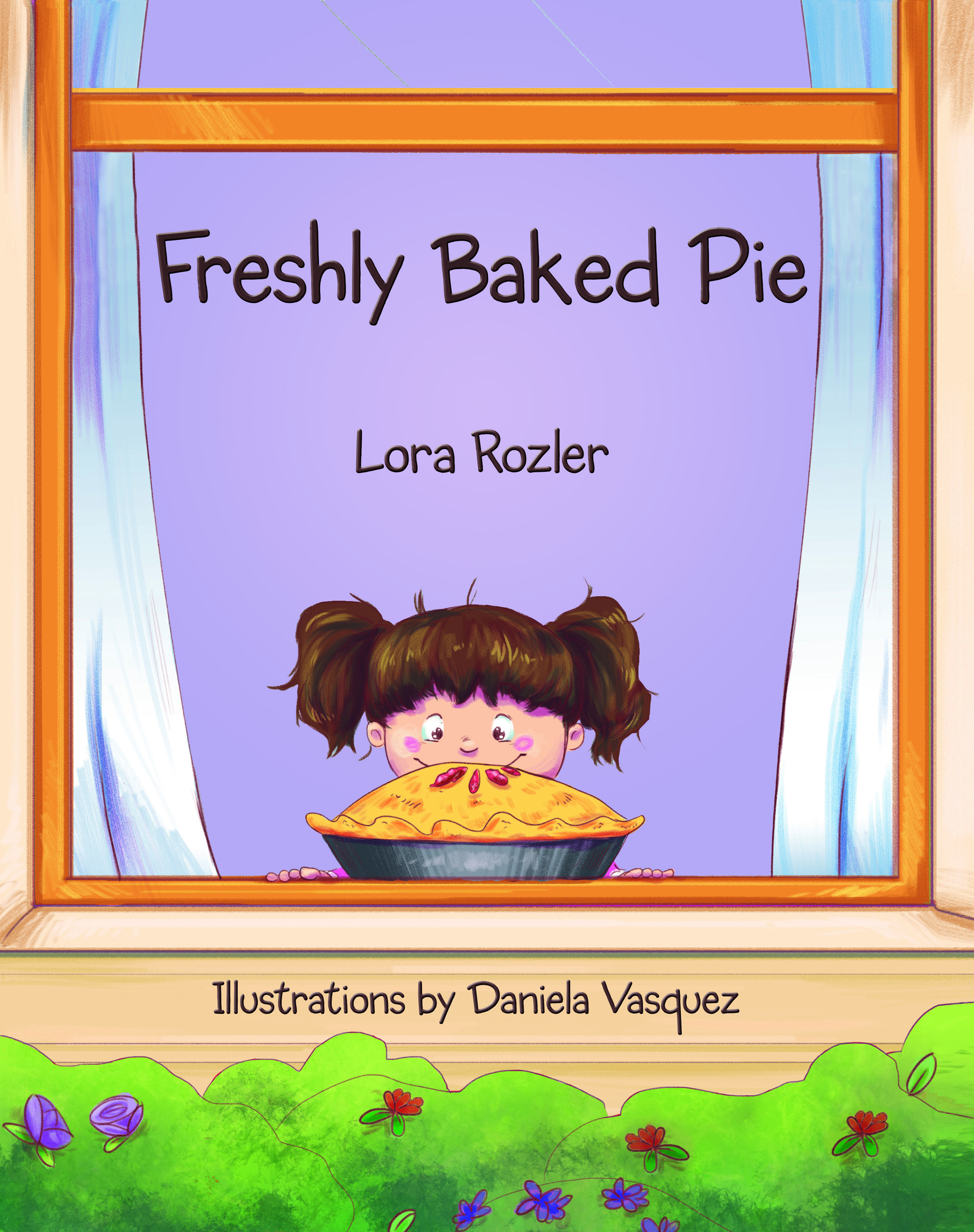
 My most recent title,
 It’s the most wonderful time of year, indeed.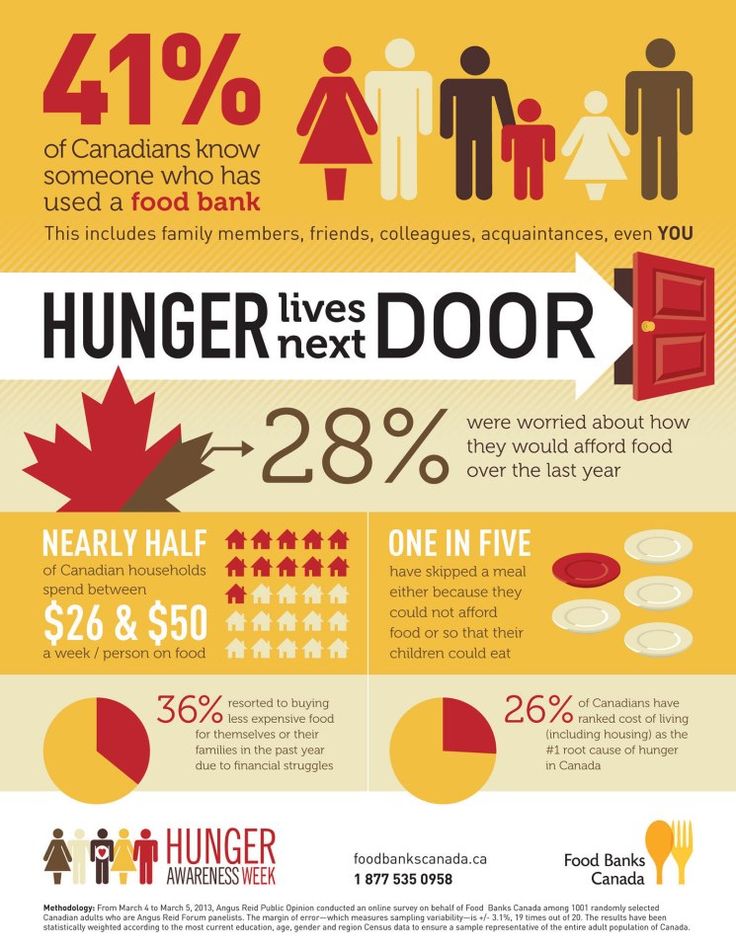


 Words On A Limb