
 It takes courage to speak openly about our personal struggles, to invite the world into our private space. But sometimes, those brave words are just what another silent warrior might need; to feel that they are not alone, their experiences are not crazy, they are not just imagining things. They too, matter.
Thank you Julie, for your candidness and willingness to share your story. I hope your New Normal will empower another woman struggling with Endometriosis, to redefine Hers. You are one strong, beautiful, remarkable woman!
MY NEW NORMAL: LIVING WITH ENDOMETRIOSIS
by Julie Anna

You know the feeling of being diagnosed with a disease that 1 in 10 women worldwide has but never having heard of it in your life?
If not, I can tell you that it sucks.
As someone who is heavily vocal on female issues, here I was listening to a doctor tell me that I have endometriosis. Endo what? Slowly, I learned I was not alone. For a disease that plagues so many women, it is astonishing how little awareness there is. The short definition of this disease is that it is a disorder in which tissue that forms the lining of the uterus grows outside the uterus, which develops into lesions. For women with endometriosis, the blood and tissue shed during menstruation has no way of leaving the body, resulting in internal bleeding and inflammation which can cause a series of problems to follow.
For years I thought the pain was normal. Ridiculous when you think about it. Pain? Normal? I thought every girl was like me suffering through brutally heavy and long periods, constant nausea and fatigue, back pain, drinking a drop of water and instantly needing to pee, bowel pain, and the list goes on. Since my early teens, I was told that that’s “life for a girl” and it is nothing out of the ordinary. It was taboo to speak about it. Culturally, a girl’s reproductive health is uncomfortable for people to speak about – a reminder of how we haven’t evolved as much as we think we have. Doctors, the ones who I entrusted and believed in, never took me seriously. “See how it is in the next few months and if it persists come back”, I would be told. I’d come back. Once again, the pain was “normal” and to them, I was over exaggerating. Perhaps I was a hypochondriac. My pain tolerance may be too low, I was told. I had a few small cysts sure, but that was normal. They would go away. We would keep an eye on it but it was “normal”.
Normal.
That was a word I kept hearing and because of it, stopped caring for years. In the summer of 2016, I began caring once again. At first, I blamed myself for getting to the state I was in that summer (if you’re new to the party, I wrote about it here). I told myself it was my fault I stopped going to the doctor. My fault I stopped following up. My fault I started ignoring pain and going on with my day. My fault for neglecting my health.
But it was not my fault. I was told I was “normal” and so I continued. Normally.
Needless to say, last summer I learned I had endometriosis (and a cyst approximately 10 cm in size chilling in my right ovary and another burst, no biggie) after my first laparoscopic surgery to remove my appendix, which didn’t even need to be removed but after all my other misdiagnoses through the years why not throw appendicitis in there. Ultimately, this was a blessing in disguise because that is when I learned after all those years my pain was in fact not normal. I was suffering in unbearable silence up until that very moment, feeling weak, confused, and helpless. I was suffering thinking that I was small and weak because I couldn’t handle being a woman. I was suffering. Silently. Because pain is not normal. And I was told it was.
You know what the thing is with the pain? You don’t get used to it. I hoped after all the years I would. I’d get used to the pain. At my lowest, I hoped that maybe it would get so bad it would just go numb and I wouldn’t feel it anymore. That is when you know you hit your limit. When you just want to feel numb.
My diagnoses helped ease things. Not that it made the pain better. However, it was as if the puzzle started coming together. Every piece of research I found clicked more pieces together. I found the right doctors and started taking my health in better control. I stopped feeling weak and helpless and upset with myself. Instead, I started to feel strength. Understanding. Pride.
I was a freakin’ warrior.
I battled through the pain, the fatigue, the bladder and bowel discomfort, the mood swings. Oh, the pain. The crouching on the bathroom floor in tears until the pain went away so I could get out and continue on with the day so no one would know – not my friends, family, peers or colleagues. For years. That was “normal” and so I told no one, did nothing. Battled silently and got through every cycle. I felt like I was lazy because no matter how much I slept I was tired. I was always exhausted and justified that with my anemia. I took painkillers like candy and people that noticed it started judging me. Stop taking pills so much, they would say, it’s bad for you. You should only take it when you really need it, they would say. Little did they know I always needed it and in contrast to the pain, barely used it. The teachers that wouldn’t take it seriously when you would feel ill because of your period. The judgment of being too tired to go out, of canceling plans last minute or being late constantly, the persistent need to find a restroom, the random mood swings – sometimes that was worse than the physical pain. I battled.
I’m not alone.
1 in 10 women. 1 in 10 that have no cure. That’s right – no cure. Let that sink in. If you’re thinking to yourself, “how could that be, I’ve never even heard of this disease”, you aren’t alone either. There’s such a lack of press and awareness on the disease and one comes to think why? Is it because of the societal taboo that comes with talking about these issues?
I remember first-hand coming back to my daily routines post-surgery last summer. My first surgery performed in August was easy to talk about. When people asked, I said I had my appendix removed, avoiding the topic of everything they found when they went in. My second surgery performed in September – not so much. Telling people I operated on my reproductive organs was different. Telling them it took an extra few weeks of sick leave because of postoperative pelvic complications made them squeamish. The words uterus and ovaries were uncomfortable. Not for me. For them. And they made it seem like their uneasiness speaking about the topic should shame me.
No. This was my battle. I am strong. I’m a fighter. I have nothing to be ashamed of.
But for many women with endo, it seems like we should be. Most men don’t get it – anything to do with lady bits made them feel awkward and some are downright cruel, acting as if this is just another thing women are whining about to play the ‘victim’. Seriously?! Other women, surprisingly, don’t always sympathize either. In their minds, they have periods too. They know what cramps are like so they sometimes struggle to imagine the higher intensity of endo pain. Then there are the people that would look at you and say things like, you’re too young to feel this way. That is probably my favorite. I’d look at them frustrated, shrug and think, thanks for your input I’ll let my chronic illness know that I’m too young for it to do this to me.
It was difficult. As soon as I was diagnosed the first word to pop up during my google search of endometriosis was “infertility”. I wept. Suddenly, at 22 years old, something I joked about never wanting I was suddenly being told could be snatched away from me. I was heartbroken and I didn’t want to admit it. Many women with endometriosis are able to have a natural pregnancy but that doesn’t take away the potential implications.
I used to be fine with needles and giggled when people said they were afraid of them. Now? The sight of a needle makes me tense, and I look away with tears in my eyes at yet another vein being poked into. I was told I have a higher risk of ovarian cancer. I was presented with different methods of treatment, none of which cured the disease. Temporary fixes from the birth control pill to an IUD to Lupron. Injections that induce menopause. At 22.
Every day I learned more. Every day I reached out to different women in different forums. Found books and videos and articles (side note: I have provided a list of some of the resources that helped me at the end of this post). That’s when you know you have a community of women with a chronic disease: you form some kind of online family. I knew this disease was now for me to take care of. It has no cure. It goes misdiagnosed. In fact, through other rough experiences of other tough ladies, I learned that often this disease is diagnosed by ‘accident’. In my case, supposed appendicitis. The research, the knowledge, the awareness – that is what would empower me. I fought my shame of speaking about such a taboo issue and decided I had to talk about it. I didn’t start talking freely about my endometriosis for pity, attention, or sympathy. I don’t want any of it. I felt a duty to speak about it for the girls that don’t feel comfortable. The girls that struggle silently even after diagnoses from shame. To inform, explain, educate, and spread awareness. To benefit research to one day find a cure. I now know what to go to doctors with. I now know what normal meant. The normal doctors and others told me I was going through. It wasn’t “normal” in the sense we are used to.
It was a different normal. I get abdominal pain that can flare up at any time. It’s exhausting. It’s the feeling of thorns growing in my pelvis, multiplying every month, wrapping around like vines. It affects me financially, mentally, and physically. It affects my dreams, my desire to go back to school, my career aspirations. It affects my relationships and friendships. My family who watches me struggle. My work life. My quality of life. It’s poison affecting my organs, taking me prisoner at times and all I can do is fight. Fight like a girl. Because ladies, we are badass. We are strong. Tough.
It was my different normal. All cases of endo are different – I have spoken to women who have it but don’t feel it as drastically and others who had to quit their jobs and completely shut out from the world because of it. The stages (there are four) do not determine the pain. Most women, like myself, refuse to let this control our lives. We refuse to let it win. So we go on every day, doing everything in our power to attempt a sense of normalcy. People we interact with daily have no clue. They don’t see how distorted we look inside. How angry we are that our own body is betraying us. We put on a brave face and live as normally as possible. It’s a devastating disease, an invisible one, that requires respect, understanding, patience, and support. When you tell people about your chronic illness, and they tell you that they looked it up online, you feel incredibly touched that another person cared enough to do so. You feel happy that at least one person learned about it – awareness is being spread.
It is my new normal.
A normal with endometriosis. A normal with more bad days than good. A normal where I do things at pain levels others refuse to leave the bed at because if I didn’t, I wouldn’t have a life. A normal where I’ll get up and crack jokes, laugh, dance, and stuff my face. Where I’ll live my life. And it doesn’t always mean I’m having a good day. Rather it means that I was able to be stronger than the pain at that moment. Freakin’ warrior. Because this is not the flu. I won’t wake up one day and it’ll be better. But I’ll laugh it out. I’ll spread awareness and march for a cure. I’ll connect with my endo sisters. I’ll form relationships with people that are important enough that they will support me. I will live my normal.
A normal in which endometriosis does not defeat me.


RESOURCES:
“Endo What”: This film is one of the best resources I came across. My local library had it, to my surprise. I watched it with my boyfriend and again with my mother. It’s an incredible film and I would suggest it to everyone to watch.
“Living Well with Endometriosis: What Your Doctor Doesn’t Tell You That You Need to Know” by Kerry-Ann Morris: This is one of the first books I found about the disease when I was finally recovered and made a trip to my safe haven – the library. The book was published in 2006 but it is still a great resource. *
“The Doctor Will See You Now: Recognizing and Treating Endometriosis” by Tamer Seckin: I just got this book recently and I’m already loving it. *
“Rewired Life: A Journey To Untangle Chronic Pain And Endometriosis” by Audrey Michel: Another great book. There’s much more but we’ll go on for days. Check your local bookstores, libraries, or online. Books are always my favorite resources, after online forums/groups. *
Etsy: Not a resource, but they have amazing endo keychains such as this one which is a nice reminder to yourself that you are in fact a warrior and a fighter. Just bought mine today. You got this.
 Passionate. Creative thinker. Dynamic storyteller. Avid reader. World changer. Coffee addict. Julie lives in Toronto, Canada, and is the mastermind behind Beyond Bossy, a multi-niche lifestyle blog that discusses everything from life and relationships to finances and wellness.
You can also connect with Julie here:

 Anyone who has ever spent a day in mommy-mode, knows just what a demanding role it can be. Cooking, cleaning, shopping, washing, after-school activities, laundry, homework, you name it, the list is endless. But for many of us, our day’s work doesn’t begin and end there. Add a full-time career into the mix, and you’ve barely got time for yourself.

 3. Don’t sweat the small stuff
 4. Delegate whenever possible
 5. Take some shortcuts

 The role an artist plays varies, based on subject matter, audience and intent of the work. Whether the artist intends to inspire, raise awareness or even provoke – artists also need to actively make a positive difference. Sometimes that is achieved merely by the subject matter and how it moves and connects others. On a more intentional level it is about giving back to society and supporting important causes.




 Happy New Year! I hope 2017 has been off to a wonderful start for everyone. I’m excited to share something that has been rattling around my mind over the holiday season.


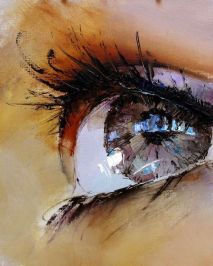 One of the most powerful things about an artist’s work is the emotion captured within the piece, invoked by the art or which inspires the product. Artists focus on areas of passion, topics that move them, subjects that inspire them and experiences and feelings that remain with them. Whether explicit or implicit, every artistic work represents some part of an artist. It is through the canvas where I share my innermost feelings and where my passions come to life for others to see.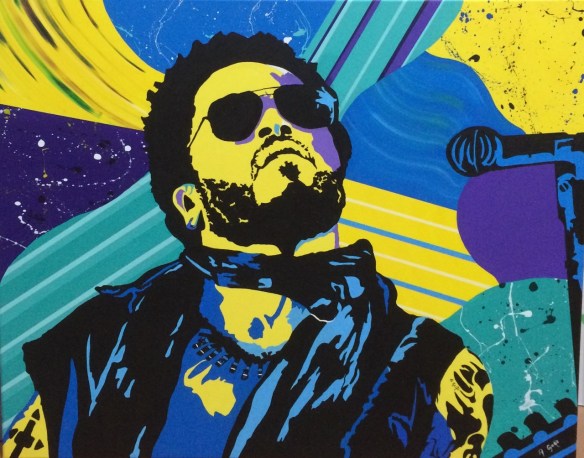
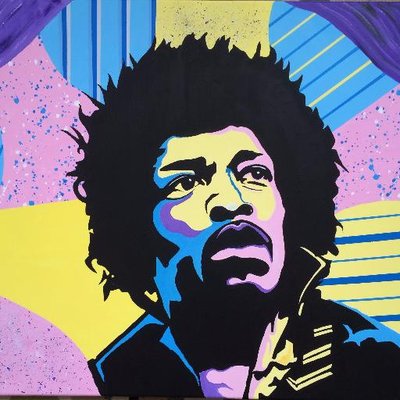
 Al Gord is an up and coming artist who uses abstract techniques with figurativism to create Modern Romantic (Uninhibited) Expressionist pieces and Rock Icon Portraitures. He also creates pieces which focus on mental health awareness and advocacy. Regardless of the subject matter his signature style is clearly recognizable. His work is showcased on Twitter, Instagram and Facebook, where he welcomes inquiries, questions, and feedback.
 Art has always been an important aspect of my life, at times acting as a medium for self-expression and other times feeding a need for creative exploration. The beauty of art is the freedom it allows us to be completely ourselves, free of social constraints, insecurities, rules, etiquette; a freedom that is often not ours when communicating with words. There is a definite degree of rawness that comes with this kind of silent poetry, especially when we invite the world into this personal space.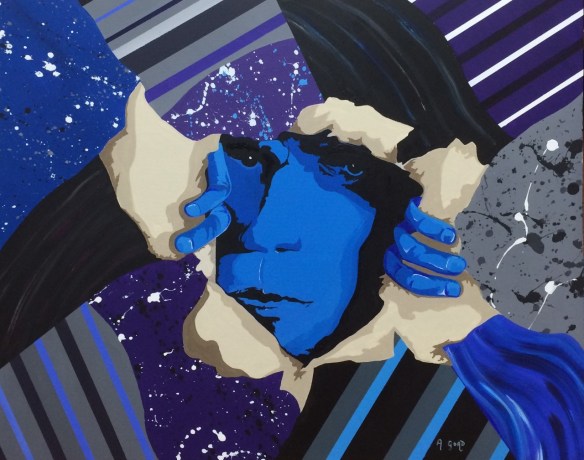


 Summer is upon us at last! If you are anything like me, you want to spend as much time outdoors as possible, walking, cycling, swimming, enjoying time with family and friends on patios, having barbecues, exploring amusement parks (I can go on and on). With all that summer fun comes the need for sun safety as well. I was delighted when blogger, social worker and stay-at-home dad, Sean Morris, contacted me and wanted to share some of his tips on planning fun and safe family activities. Thank you Sean for a very informative article.
 Summer is the time when children are out of school and ready to play. But the excitement of a long break with no responsibilities can often get the better of them, and rigorous activities may lead to scraped knees, bruises, or even something more serious. The best way to ensure your kids don’t invent their own, potentially dangerous game is to come up with specific activities targeted to their interests. Here are a few things you might suggest to keep your kids entertained and safe.
 Chalk art is a low energy activity that can prevent injuries resulting from wild behavior. The color is
  Creating your own art supplies both entertains your kids and guarantees the safety of the materials they are using. You can even make a homemade
 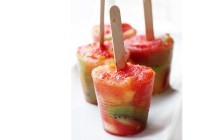 Frozen, tasty treats are part of what makes summer, summer. Unfortunately, most of those treats are loaded with unhealthy ingredients and are chock full of sugar. Instead of chasing down the ice cream truck, spend some time in the kitchen and make your own healthy and delicious treats.
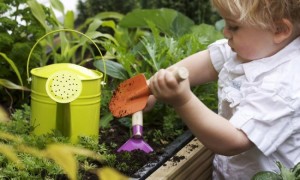 For some kids, nothing is more exciting than taking care of a plant and watching it grow, bloom, and maybe produce food. Even if you only have a pot sitting in your window sill, taking your kids out to pick out their own flower seeds and a small, inexpensive bag of soil can be the start of a summer-long activity.
 Though summer is not necessarily fraught with risk, minor injuries, sunburns, dehydration, poor nutrition, and lack of sleep are all very real and common problems kids can experience in the summer. By building your activities around avoiding these unnecessary injuries or health issues, your kids will be able to enjoy summer to the fullest.
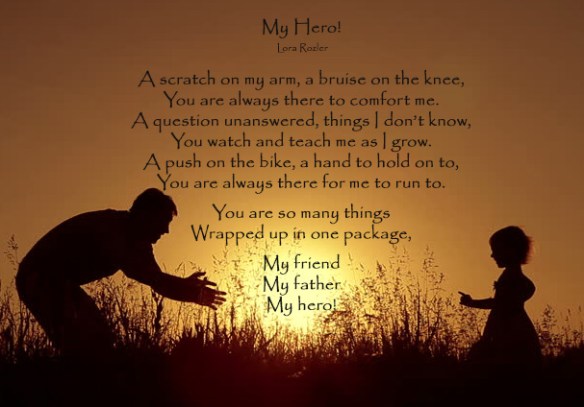 Heroes come in all shapes and sizes. This Father’s Day, we want to thank our Dads and all the father-figures in our lives – grandpas, step-dads, brothers, uncles, cousins, friends….whoever your hero happens to be – Words on a Limb would like to wish you a Happy Father’s Day!
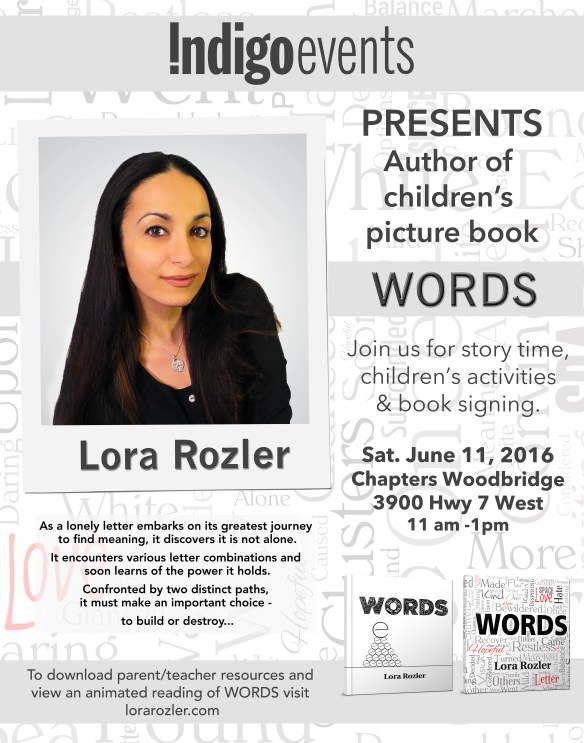

 Words On A Limb