
I’m at a loss.
On October 7th, 2023, Hamas, an internationally recognized terror group, invaded Israel and committed unspeakable, inhumane atrocities against innocent Israeli civilians – an act that has left the global community in heart-wrenching shock.
Babies snatched from their mother’s arms, shot and beheaded.
Children axed, murdered while sleeping, tied and piled, burnt alive.
Girls raped and maimed, paraded as trophies.
Parents and children, bound, beaten, tortured in each other’s sight.
Men and women, young and old, kidnapped to a fate unknown.
Families terrorized as they answered calls, witness to their loved ones’ execution.
Pure evil.
All of this, while Hamas supporters in Gaza cheered and celebrated, proudly waving their flags and antisemitic placards. All the while, here in Canada, on our streets and school campuses, terrorist sympathizers celebrated the massacre of innocent lives, echoing vile sentiments of Jewish genocide.
Vicious. Heartbreaking. How on earth did we get here? Here, where rape is celebrated by other women. Here, where shooting Holocaust survivors is cheered post a Never Again era. Here, where slicing a mother’s womb and taking a life not yet born is glorified.
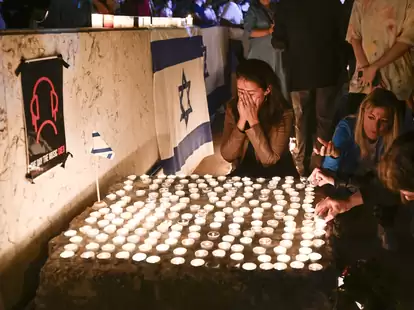
While most of the world came together in love and support, heartless human beings celebrated; celebrated the shooting, burning and beheading of children and babies!
There are simply no words.
In times of heart-wrenching tragedy and chaos, it is often educators who find themselves at the forefront of efforts to make sense of a world gone awry. I often reach out to you to recommend books for kids, enlighten you on important people in children’s literature and sometimes comment on how we see the world and how it could make sense for kids. Today, I’m reaching out to you for something completely different. Today I seek your support to help change this devastating trajectory, where the global moral compass has gone askew, where young minds can no longer decipher truth from corruption, where the media infects to breed a heartless society, while others yet, sit silently and watch.
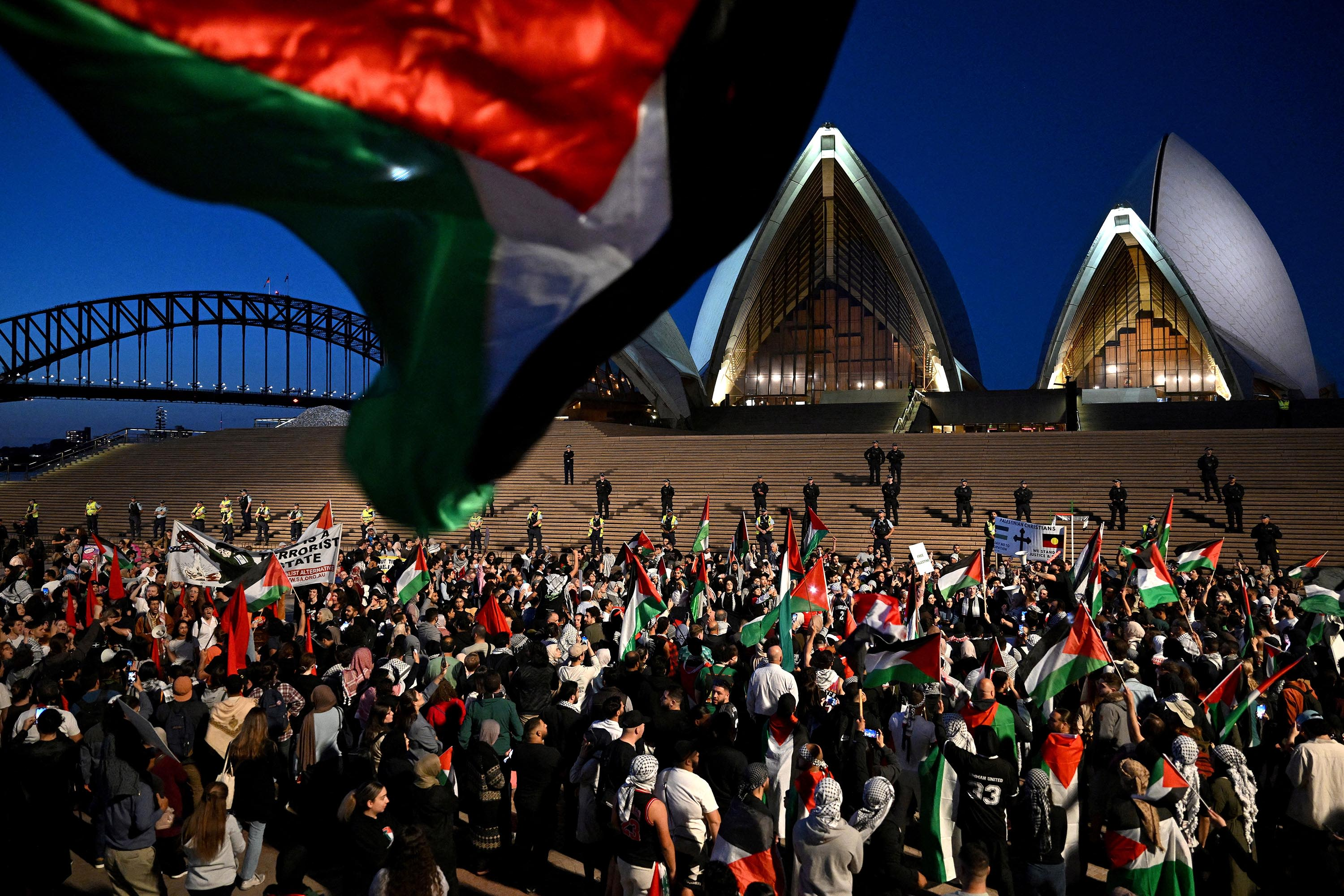
The ensuing celebrations by terrorist sympathizers is absolutely abhorrent and inexcusable. It is indicative of an ethical decay permeating our “woke”, yet morally adrift world. While Jewish communities worldwide mourn the death of their loved ones, Hamas supporters taunt and inflict more pain to the wounds, chanting, Gas the Jews, holding signs that call to wipe Israel off the map, handing out sweets, dancing, cheering, celebrating. How on earth did we get to a place so callous and vile, a world so detached from what it means to be human? A world where the barbaric slaughter of innocent Jews is met with a call to murder all Jews worldwide? Where is the outrage?
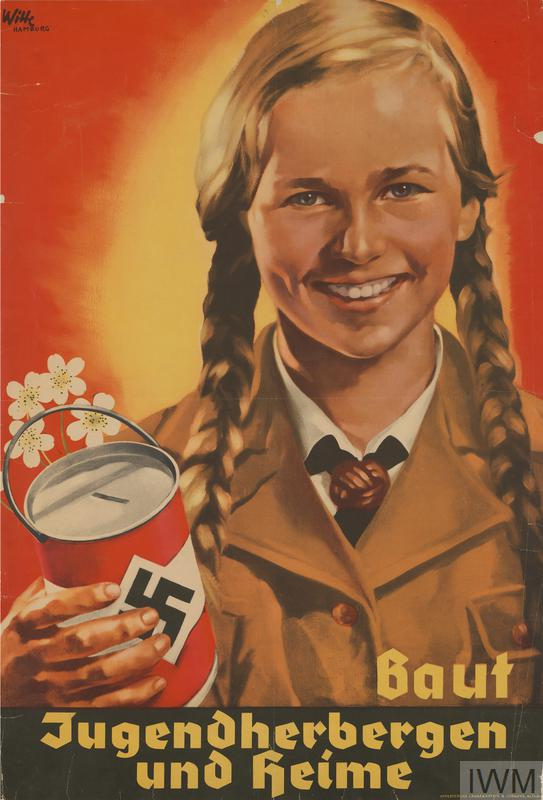
Regrettably, this horrifying call for genocide echoes a dark and haunting chapter in history. It is a disturbing reminder of the sentiments and principles that once facilitated the systematic extermination of six million Jews during the Holocaust in Nazi Germany. This malevolent ideology thrives on vilification, dehumanization, desensitization, and unwavering justification, shamelessly parading on our streets still today, infiltrating school campuses, dominating news outlets, and permeating social media platforms.
The relentless indoctrination of young minds has left an indelible mark, grooming them with an onslaught of hate-filled propaganda directed at Israel, and by extension, Jews across the globe. This prolonged exposure has reached a point where distinguishing fact from fiction, discerning good from evil, has become an overwhelming challenge. Tragically, this distorted reality finds its expression in the odious rallies that endorse terror and violence. We witness a disheartening culmination of toxic messaging, misleading teachings, revisionist history, fake news, biased media narratives, celebrity endorsements, the intersectionality of minority groups, and the exploitation of a victimhood mentality.
In the dynamic realm of social media, words are powerful, capable of building or destroying with precision. As educators, we bear the responsibility to ensure that our students understand the gravity of their digital expressions, not falling prey to the insidious influence of memes, hashtags, likes and facile buzzwords. Words fired without comprehension are akin to firing bullets oblivious to where they land, an action both reckless and harmful.
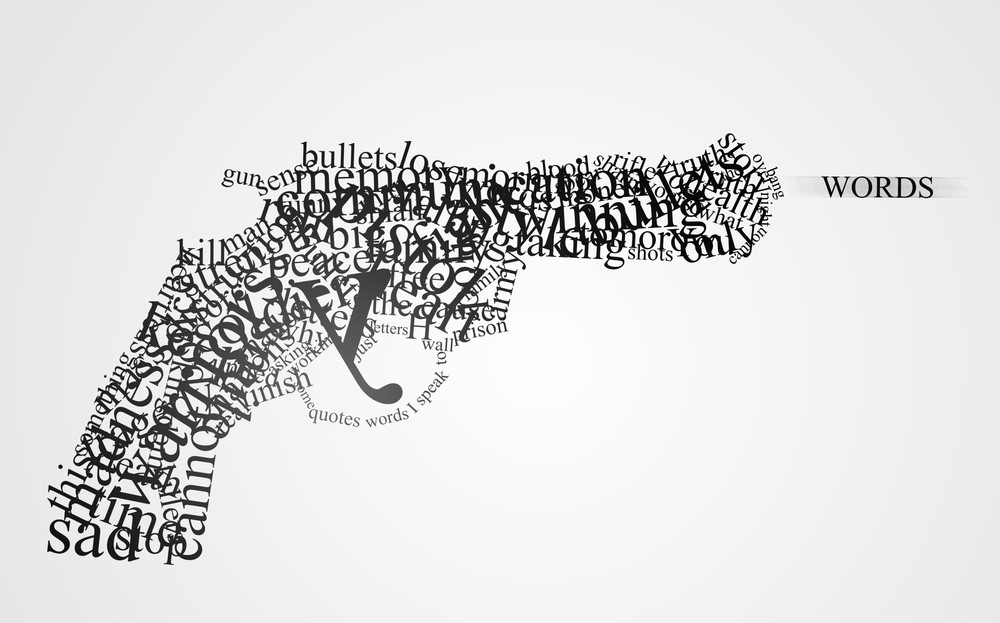
It is our role to guide students in comprehending the impact of their words. We must equip our youth to resist the allure of the herd mentality, to withstand social pressures that may lead them to parrot ideologies they do not fully understand. The path to moral literacy in our present world necessitates the ability to discern and sift through propaganda and bias, in pursuit of what is genuine and truthful. Our mission is to raise a generation of critical thinkers, not keyboard warriors whose words aim to hurt and destroy from a detached distance.
As teachers, we must ask ourselves, where have we lacked? Where do we need more education? Is it science or math, or perhaps the injection of emotional intelligence and a sense of morality? We’ve seen this before, we’ve lived through the horror, yet the world is sleeping. The murder of six million Jews did not begin with gas chambers, it began with a wicked idea and people turning a blind eye. It began with finger pointing and blaming. It began with lies. What we see today is a new oppressor, but an old propaganda.

I remember the terror attacks on 9-11. It was 22 years ago and my first year teaching. I had a grade two class. The announcements came on and I froze as I tried to digest what I was hearing. How would I explain this to my students? After our lessons about love, respect and kindness, how would I make meaning of something that lacked all of that? Then driving home that day I heard someone on the radio quote Mr. Rogers, “Look for the helpers”. And so after the questions and digesting the facts, we focused on rebuilding with the love that poured out.
Twenty two years later, another evil has crept on our doorstep, this time targeting Jewish communities worldwide. I can only hope that my students remember my words today, and look at the massacre in Israel with nothing but compassionate eyes. I pray that today they are the helpers. This gives me hope in a world gone awry.
I’d like to end with an excerpt from a book by Dr. Chaim Ginott’s, “Teacher and Child.” It speaks to our role as educators, and what the world needs more of right now.
I am a survivor of a concentration camp. My eyes saw what no person should witness: gas chambers built by learned engineers. Children poisoned by educated physicians. Infants killed by trained nurses. Women and babies shot by high school and college graduates. So, I am suspicious of education. My request is this: Help your children become human. Your efforts must never produce learned monsters, skilled psychopaths or educated Eichmanns. Reading, writing, and arithmetic are important only if they serve to make our children more human.
As Remembrance Day approaches, we are reminded of the sacrifices made for a better tomorrow. This moment of reflection serves as a poignant reminder of our duty as educators to steer our students away from moral decay. Let this day inspire us to embrace our role, engage in meaningful conversations, and cultivate empathy in the young minds we nurture. As we remember the past, let us also shape a more compassionate and ethical future, where the values that underpin our society are not commodities, but pillars of our shared humanity.
With deep empathy and hope for a kinder future,
Lora

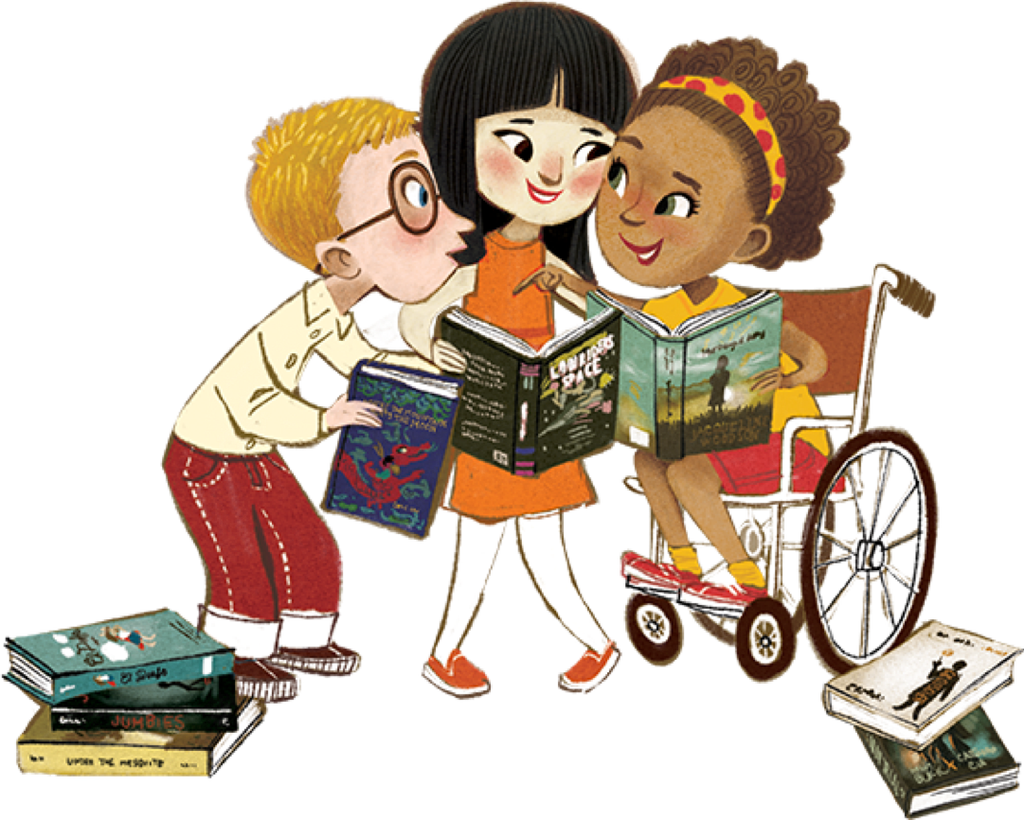 Whether it be in your classroom or your home, it’s not always easy to start difficult conversations or clarify confusing times for children. But the best conversations can begin with a story. They are a great way to expose children to different narratives and teach them about people outside of their immediate family. Having a diverse range of books can be a powerful tool in teaching children about tolerance and acceptance, all the while celebrating uniqueness and individuality. With that in mind, I’ve put together a list of books to help begin important discussions, not only about race, but also about inclusion, diversity and the differences that make us special.
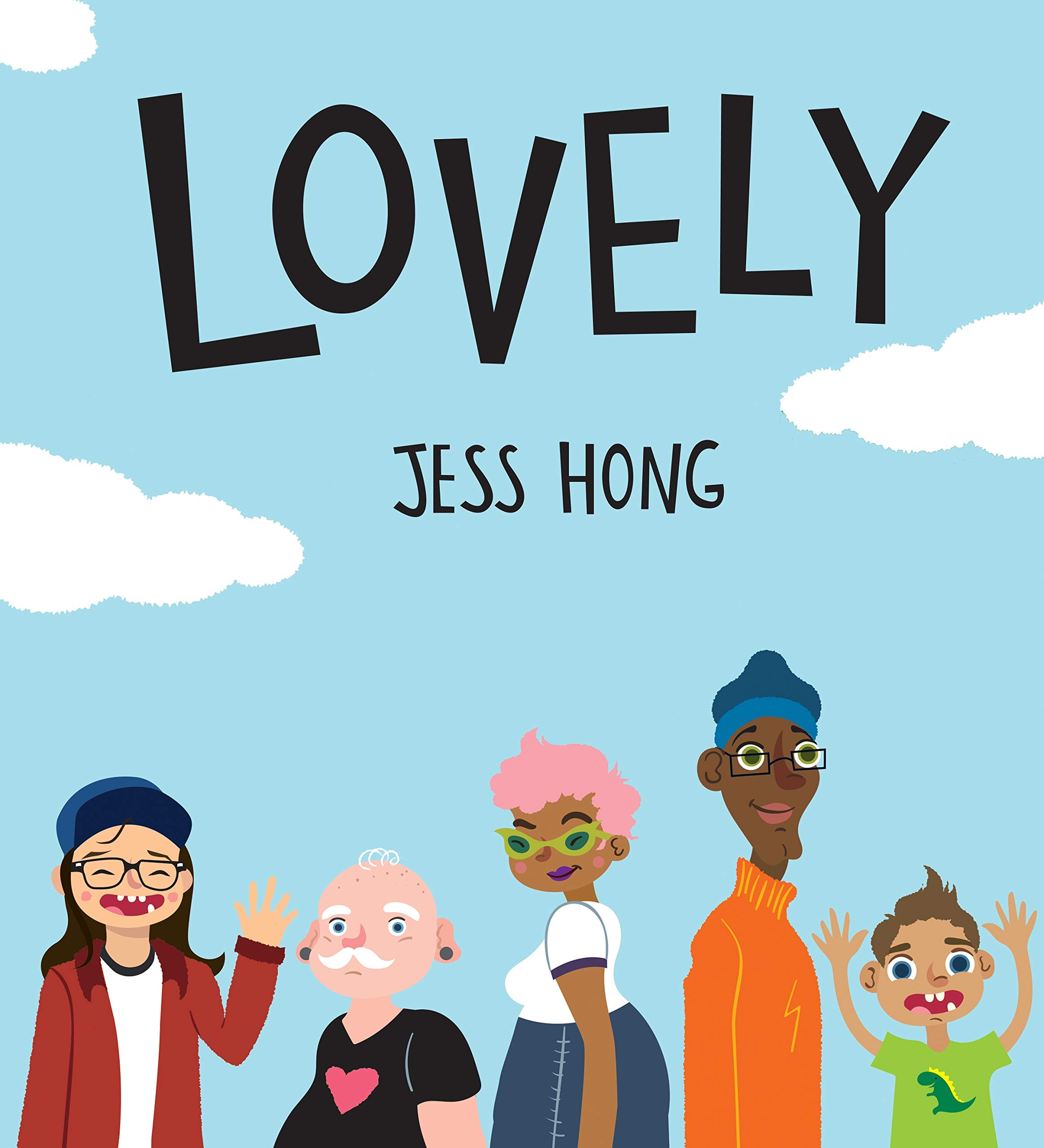
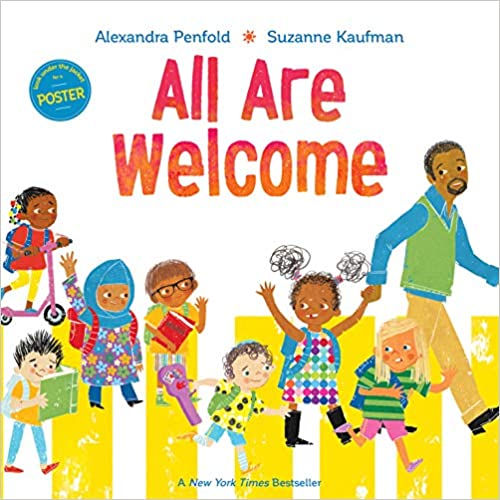 Follow a group of children through a day in their school, where everyone is welcomed with open arms. A school where kids in patkas, hijabs, and yarmulkes play side-by-side with friends in baseball caps. A school where students grow and learn from each other’s traditions and the whole community gathers to celebrate the Lunar New Year.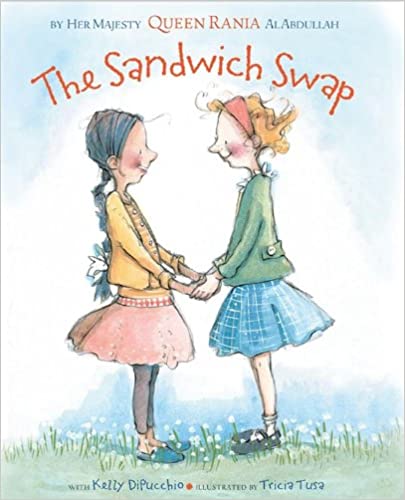
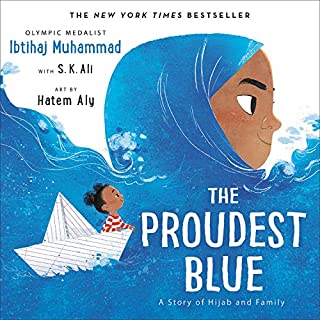
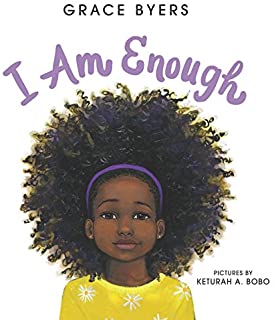 “Like the sun, I’m here to shine,” the rhyming text begins, and each page that follows offers an affirmation of all the strength, talent, and promise that young girls have within them. While praising their inherent strengths and virtues, the text also encourages girls to show kindness, to be fighters, and to accept their fellow female for who she is and embrace all the unique qualities that make her that way. And no matter what, to know that no matter what the world expects of her or tells her she must be, she needs only to remind herself of the truth: “I am enough.”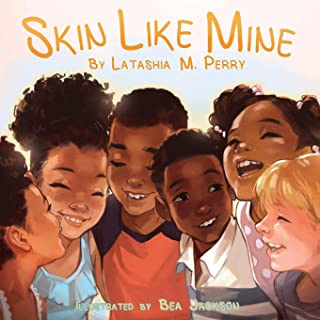
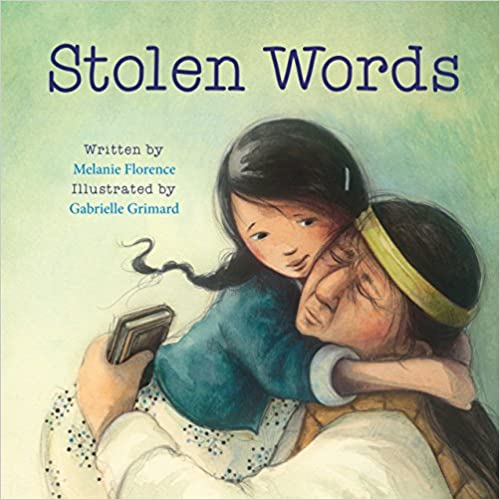 The story of the beautiful relationship between a little girl and her grandfather. When she asks her grandfather how to say something in his language – Cree – he admits that his language was stolen from him when he was a boy. The little girl then sets out to help her grandfather find his language again. This sensitive and warmly illustrated picture book explores the inter-generational impact of the residential school system that separated young Indigenous children from their families.
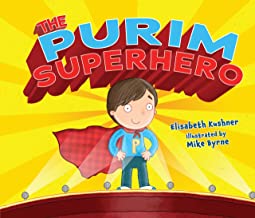 Nate has a tough decision to make. Purim, a Jewish holiday, celebrated in part by the wearing of costumes, is coming up, and Nate has to decide between being an alien, his all-time favorite thing, or being a superhero like the rest of the boys in his class. He wants to fit in with his friends, but he really wants to be an alien.
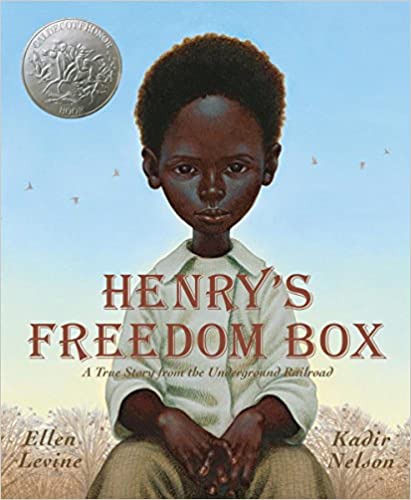 Henry Brown doesn’t know how old he is. Nobody keeps records of slaves’ birthdays. All the time he dreams about freedom, but that dream seems farther away than ever when he is torn from his family and put to work in a warehouse. Henry grows up and marries, but he is again devastated when his family is sold at the slave market. Then one day, as he lifts a crate at the warehouse, he knows exactly what he must do: He will mail himself to the North. After an arduous journey in the crate, Henry finally has a birthday — his first day of freedom.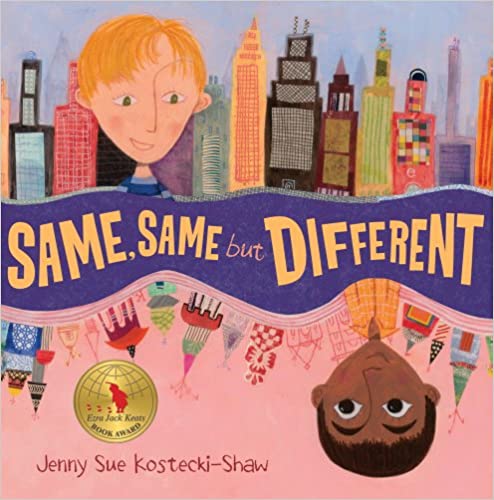
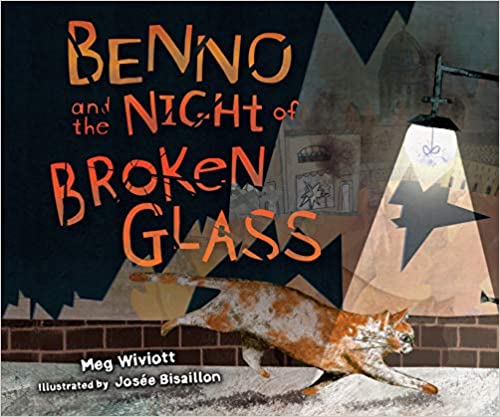
 The new kid in school needs a new name! Or does she? Being the new kid in school is hard enough, but what about when nobody can pronounce your name? Having just moved from Korea, Unhei is anxious that American kids will like her. So instead of introducing herself on the first day of school, she tells the class that she will choose a name by the following week. Her new classmates are fascinated by this no-name girl and decide to help out by filling a glass jar with names for her to pick from. But while Unhei practices being a Suzy, Laura, or Amanda, one of her classmates comes to her neighborhood and discovers her real name and its special meaning. On the day of her name choosing, the name jar has mysteriously disappeared. Encouraged by her new friends, Unhei chooses her own Korean name and helps everyone pronounce it—Yoon-Hey.
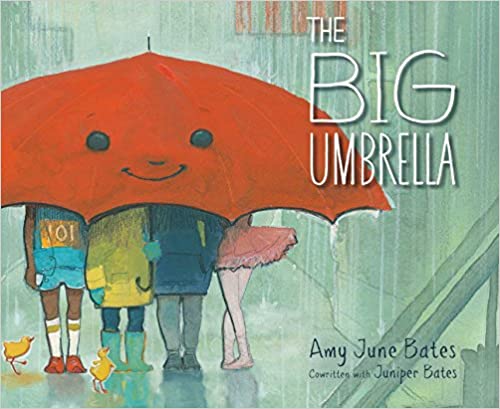
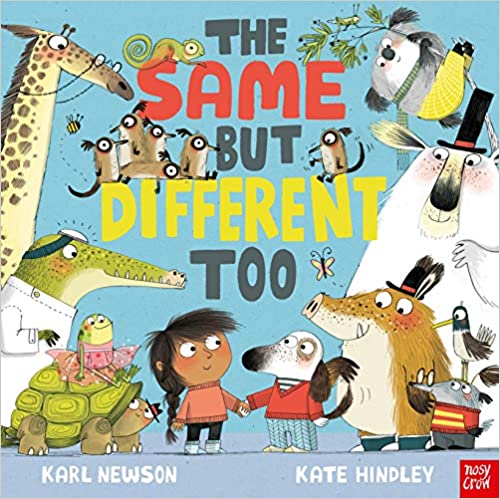 These children and animals are all very different to each other. Some are big, some are small. Some are gentle, some are rough. Everyone is playful, but who’s the best at hiding? One thing’s certain: they all love a good bedtime story! The perfect picture book for little ones who are just beginning to make sense of their place in the world.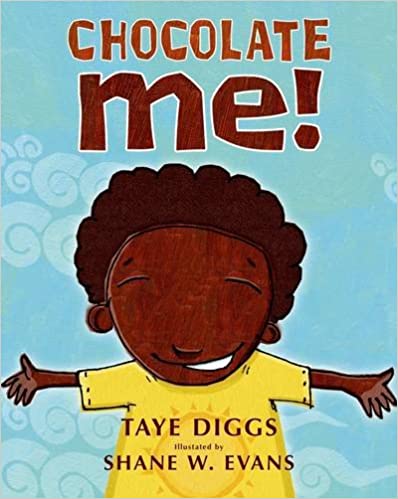
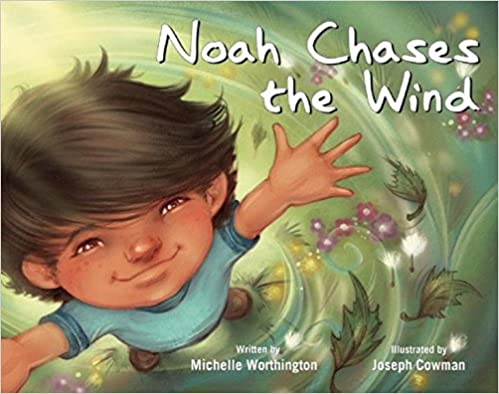 Noah is different. He sees, hears, feels, and thinks in ways that other people don’t always understand, and he asks a lot of questions along the way. Noah loves science, especially the weather. His books usually provide him with the answers he needs, until one day, there’s one question they don’t answer—and that is where Noah’s windy adventure begins.This book celebrates the inquisitive nature of all children, including those on the autism spectrum, who cannot stop asking a question until an answer has been unearthed. The book contains a page of information for parents, caregivers, and educators about the importance of helping children feel good about their differences and know that being different is okay.
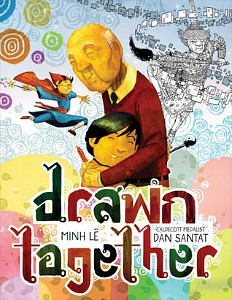 A young boy dreads his visits to his grandfather. They don’t share a language, so their time together is strained, awkward, and silent. Until they discover a shared love of drawing. Together, they find a common language through art. Drawn Together shows that meaningful relationships are possible even across communication barriers, and as their illustration
  The Family Book
  The journey starts on a sunny day in New York City and ends on a beautiful San Francisco night, with stops in Mexico City, Rio de Janeiro, London, Paris, Cape Town, Cairo, Beijing, and Tokyo. These friendly babies welcome us to their cities with delightful greetings in their original languages (with English translations) in a simple narration that will appeal to any global mini citizen.
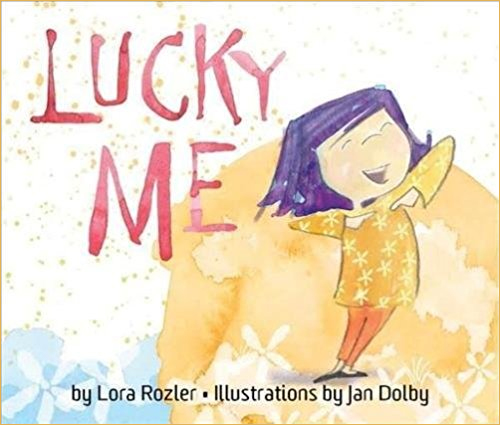
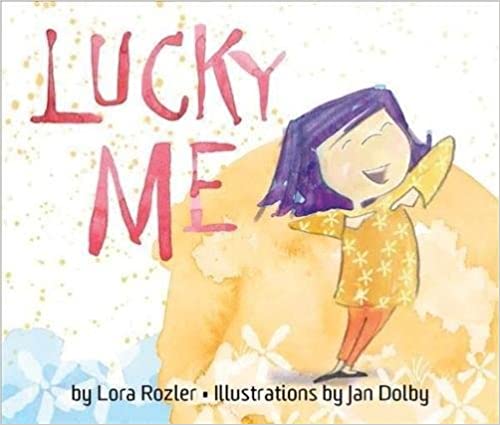 Lucky Me invites readers on a journey around the world to explore life’s simplest, yet often overlooked treasures. Pages come alive with a series of evocative, gratitude-filled messages, accompanied by Thank-yous translated into various languages, emphasizing global diversity.
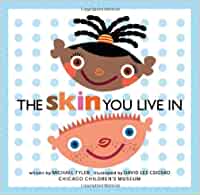
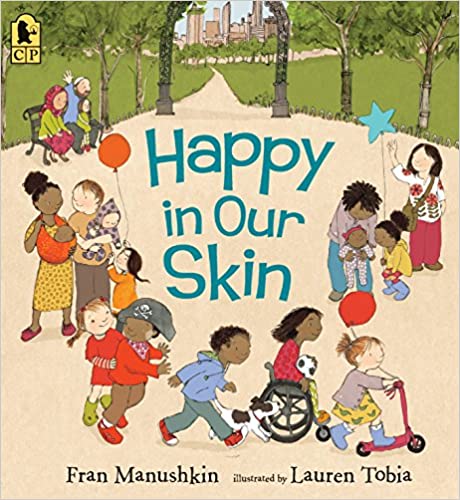 Is there anything more splendid than a baby’s skin? Cocoa-brown, cinnamon, peaches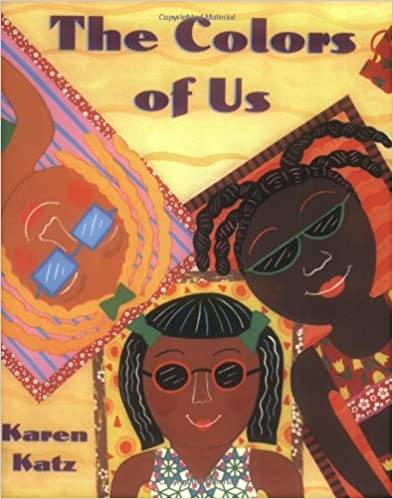
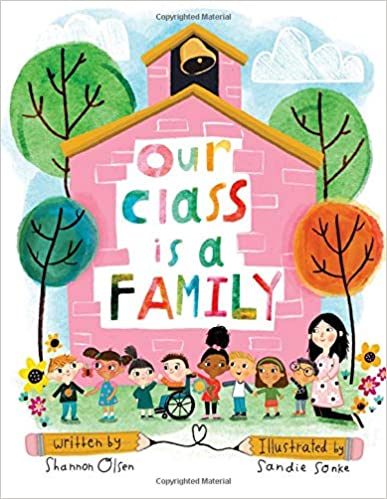 With its heartfelt message and colorfully whimsical illustrations, “Our Class is a Family” is a book that will help build and strengthen that class community. Kids learn that their classroom is a place where it’s safe to be themselves, it’s okay to make mistakes, and it’s important to be a friend to others. When hearing this story being read aloud by their teacher, students are sure to feel like they are part of a special family.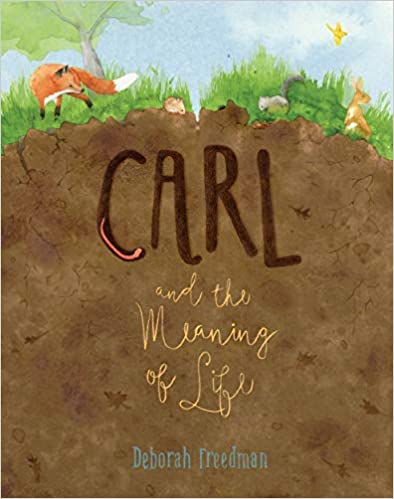
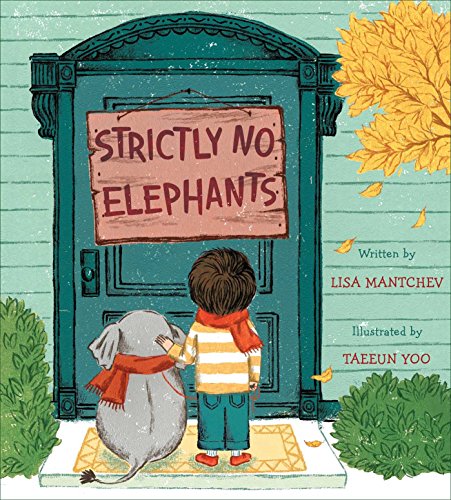 Today is Pet Club day. There will be cats and dogs and fish, but strictly no elephants are allowed. The Pet Club doesn’t understand that pets come in all shapes and sizes, just like friends. Now it is time for a boy and his tiny pet elephant to show them what it means to be a true friend. A sweet story of friendship, acceptance, and inclusion.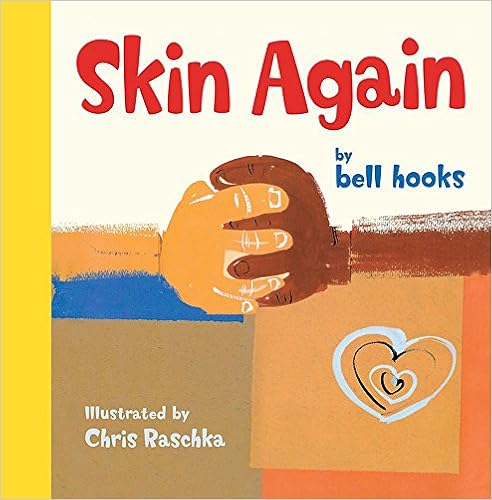

 So we’ve been cooped up at home for quite some time now due to the pandemic. For us adults, the use of technology plays a pertinent role in maintaining our social connection to the outside world. But for the little ones whose main form of socialization stems from the school environment, this can be especially difficult.


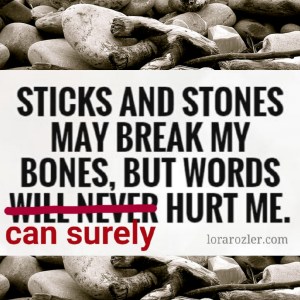
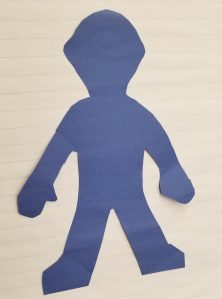
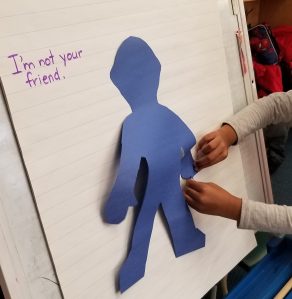 Each time a student makes a hurtful comment, ask them to rip off a piece of Eleven’s’s body and hang onto it. Continue until Eleven is significantly torn up. Then challenge students to reflect on how Eleven must be feeling based on what transpired.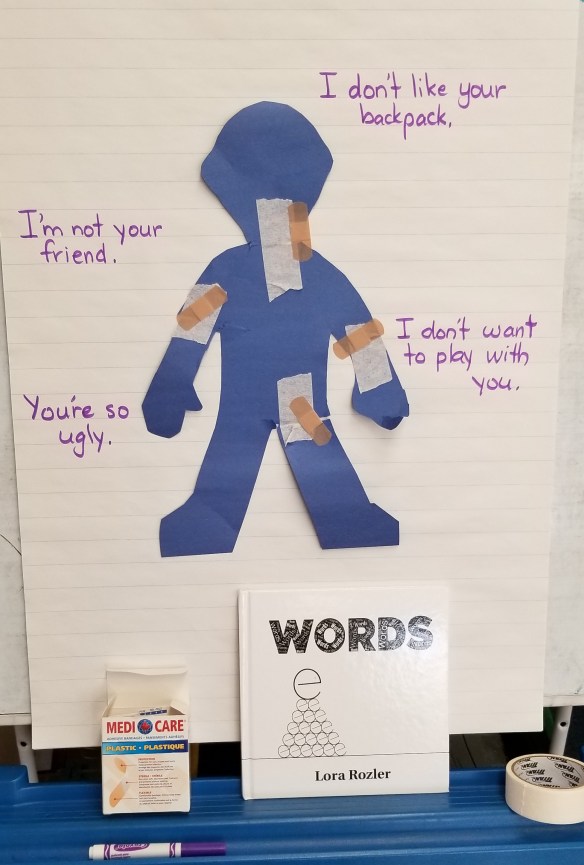
 Invite a volunteer to squirt toothpaste onto a plate. When he or she is done, ask them to put the toothpaste back into the tube. Obviously this will not be possible. The idea is to demonstrate that much like toothpaste, our words work the same way. When we use the right words to empower others, they bring people joy – just as the right amount of toothpaste does to our teeth. However, if we are not careful with the toothpaste, and we squeeze a lot out, we can easily make a big mess. The same is true with our words – if we’re not careful and if we don’t think before we speak, we can hurt others with the things we say.
 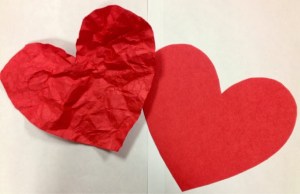 Hold up the heart and explain that each of us has a heart, which holds our happiness and our good feelings.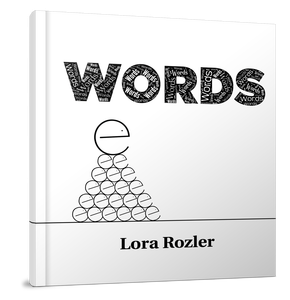
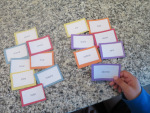
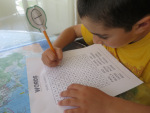
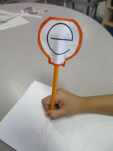
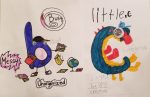
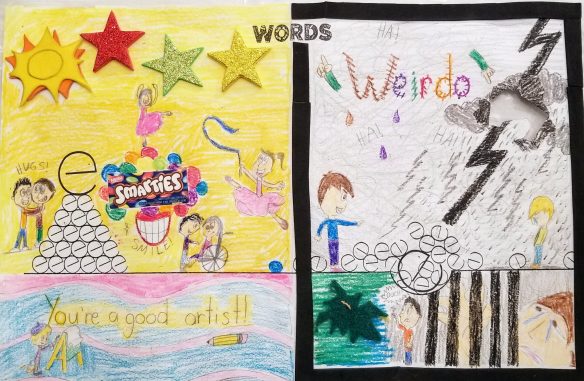
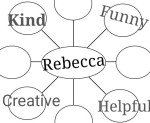
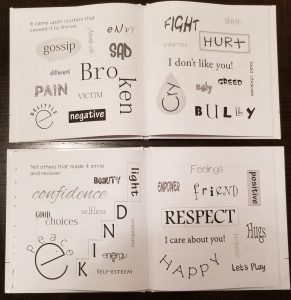 Write the focus word on chart paper and invite students to brainstorm their thoughts, feelings and ideas relating to it. Example:


 Where did you grow up?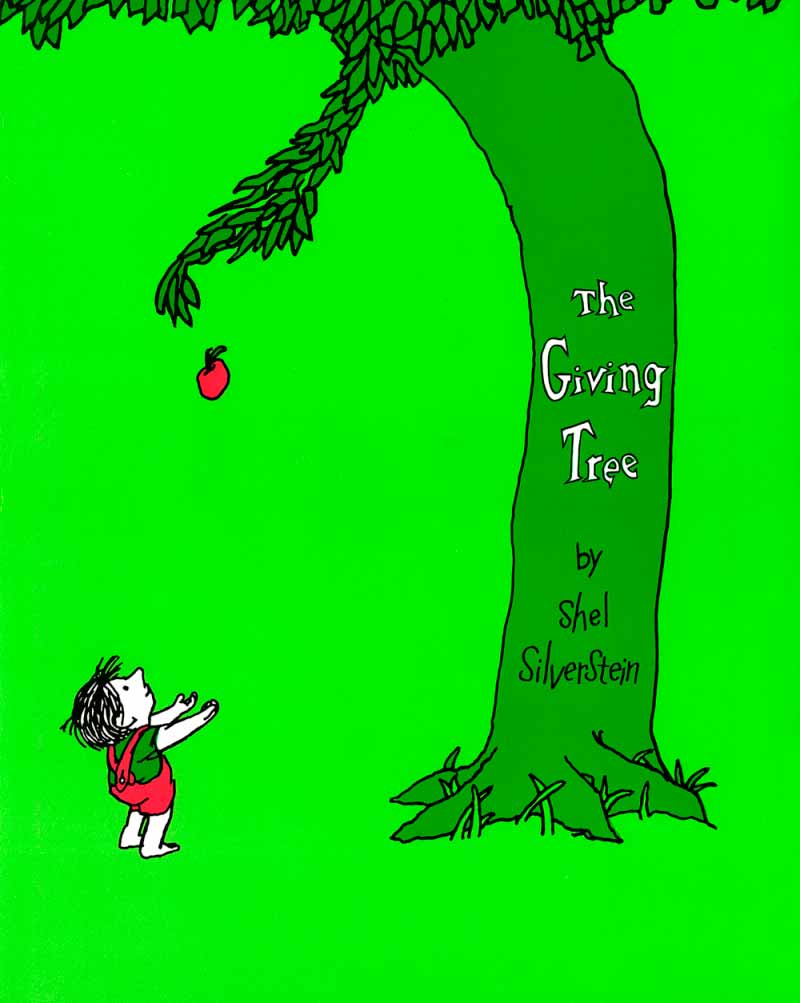
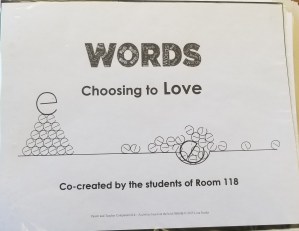
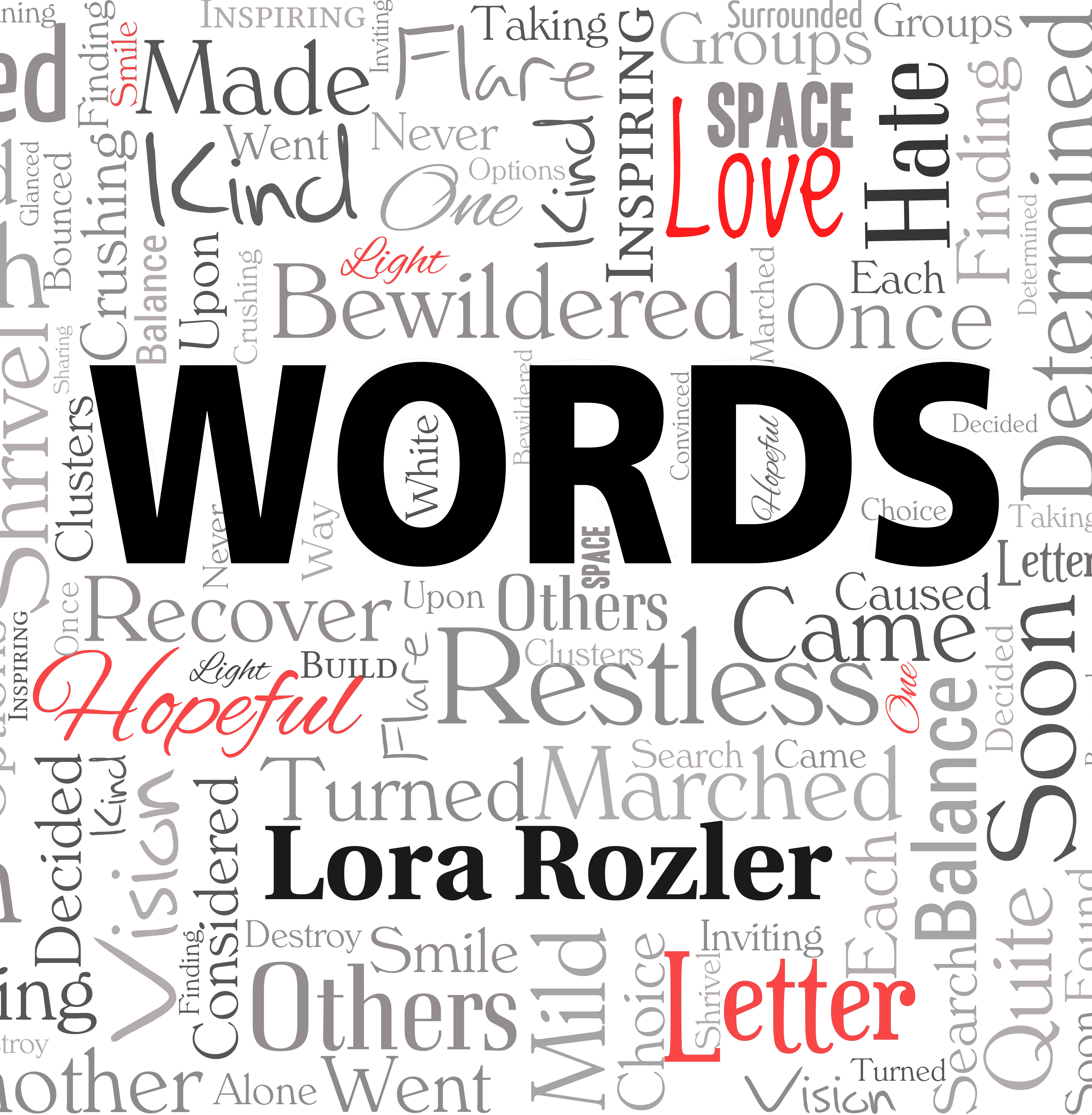 I wrote quite a bit as a teenager (mostly poetry) but found an audience for my writing in the classroom, writing mainly to support areas of study at school. I eventually discovered a terrific outlet to share my work with others—on my blog (wordsonalimb.com) and associated social media. This allowed me to create a digital library of some of my classroom content. In fact, several years ago, I wrote a poem to teach students about the power of words and their impact. It began to receive positive feedback from students, parents, colleagues, and online subscribers. It soon took a life of its own as an animation and eventually as my first a picture book,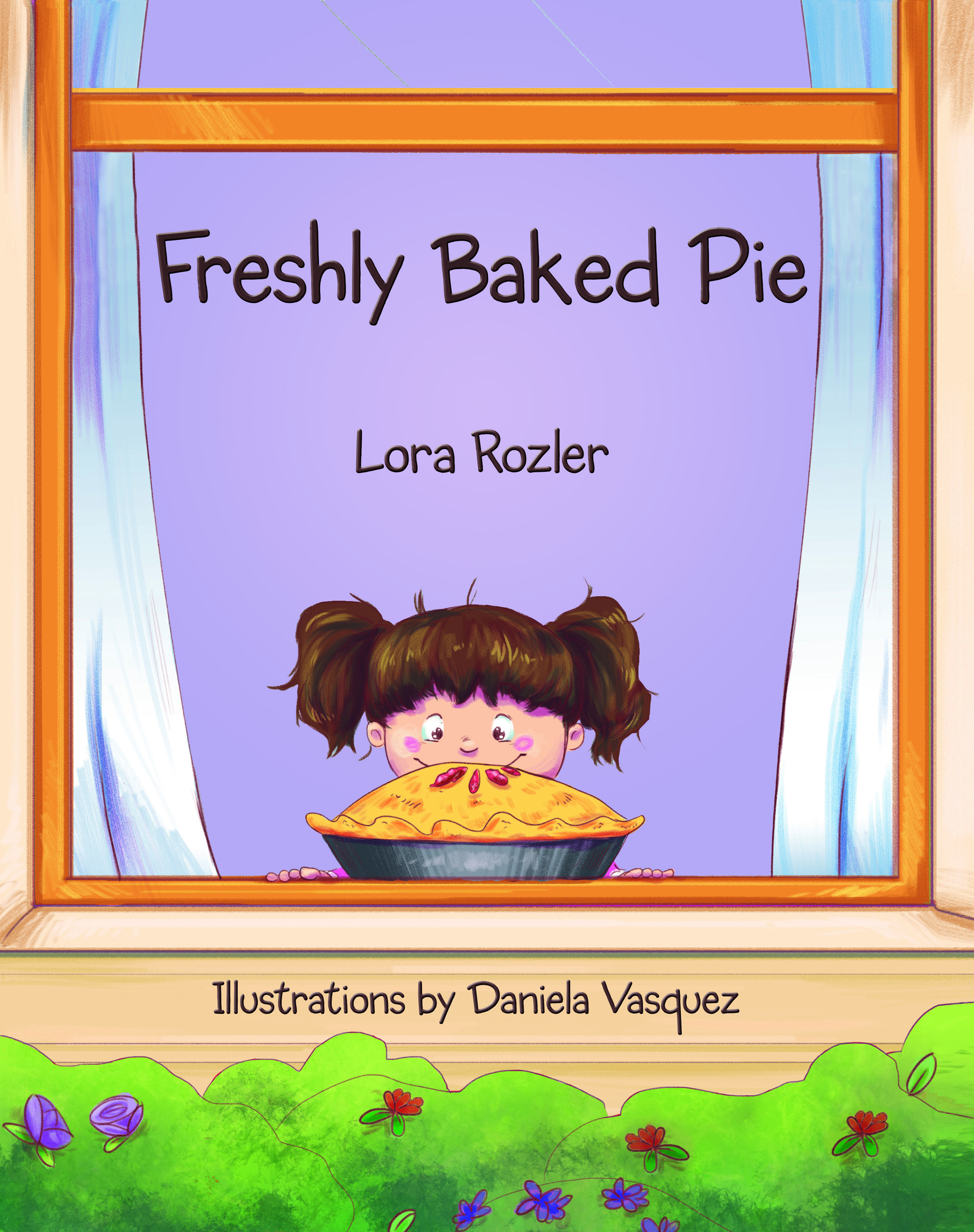
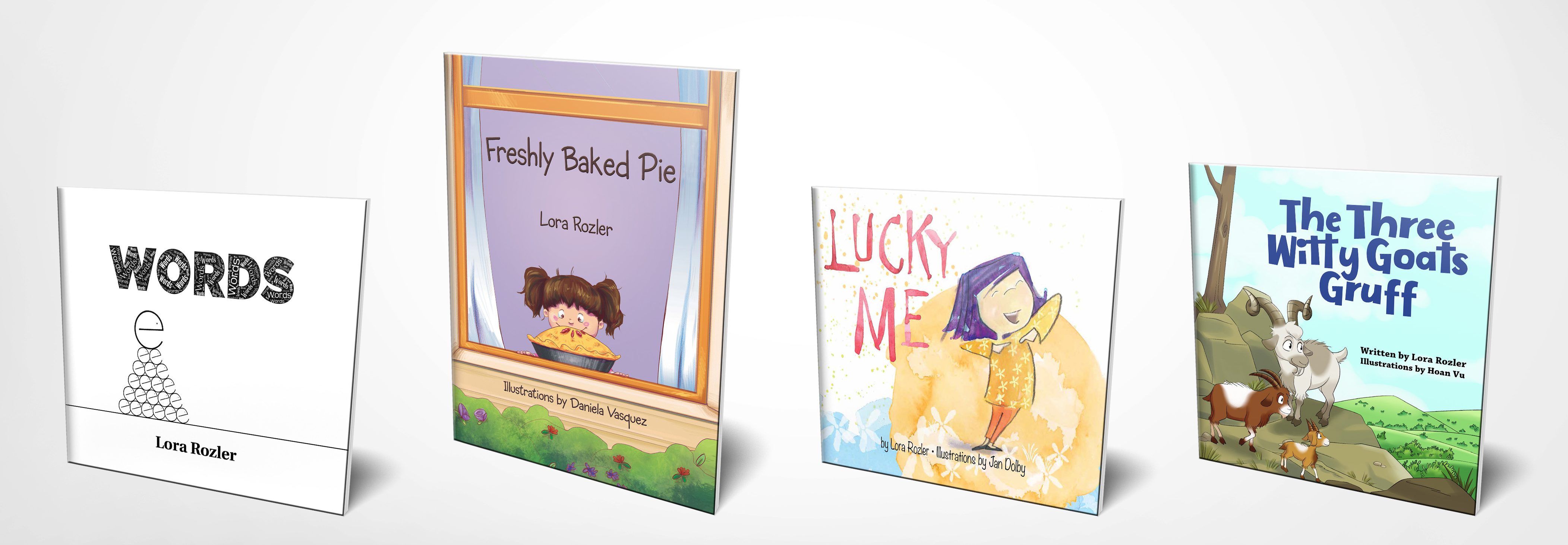
 My most recent title,
 NEWLY RELEASED

 The concept of gratitude is a powerful one. In fact, thankfulness is a very important character trait to foster in children. Living gratefully encourages kids to cultivate a genuine appreciation for blessings they already enjoy, no matter how big or small. Children sometimes get caught up in wanting more things – more toys, more games, more electronic gadgets. This creates a vacuum of lacking that is difficult to satisfy. A mindful pause every now and then helps us reflect and re-examine this mindset. It inspires a healthy outlook that honours the present moment and reminds us not to take things for granted.
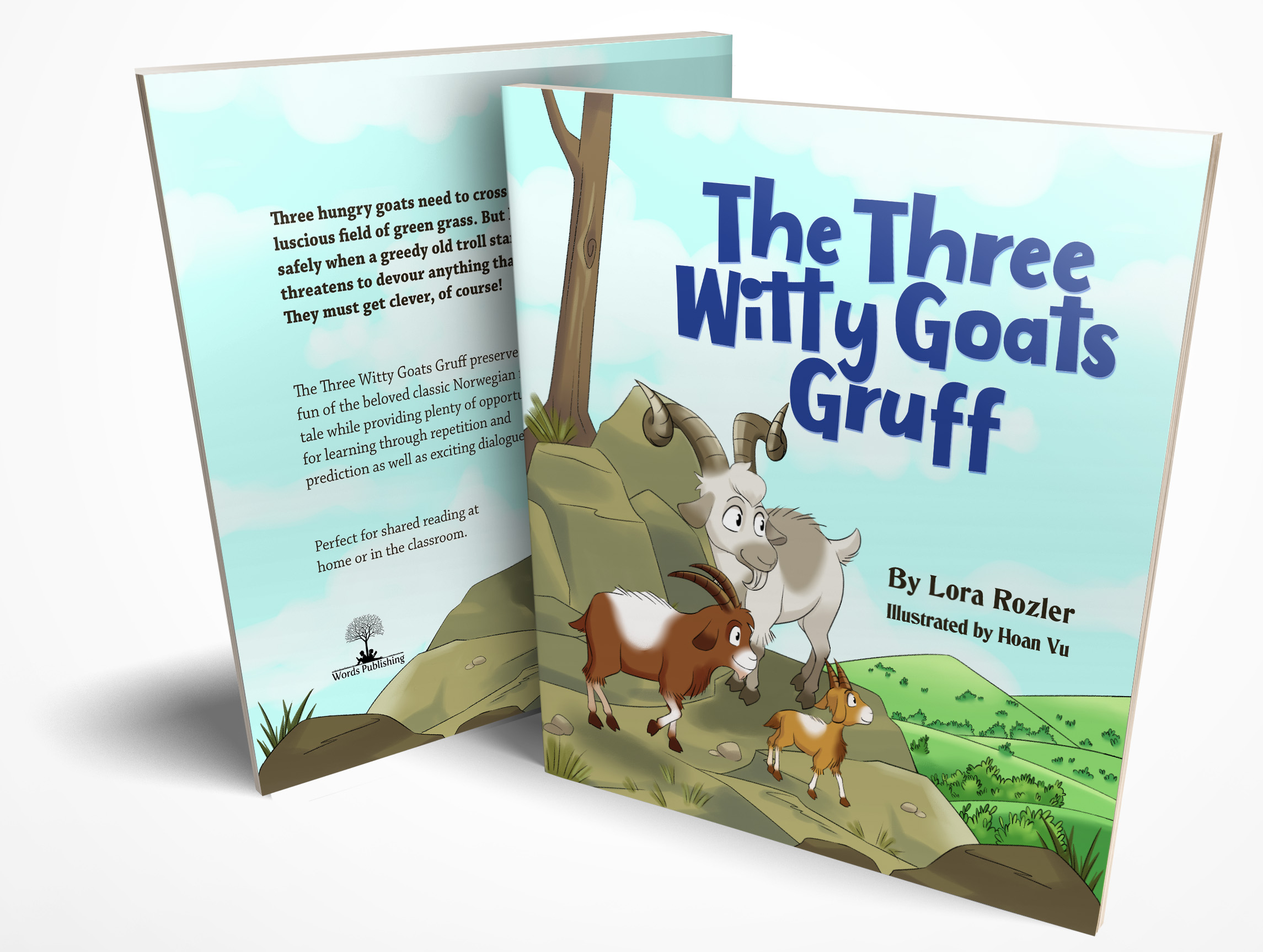
 Below is a list of Gratitude-Building Activities, based on my latest picture-book,
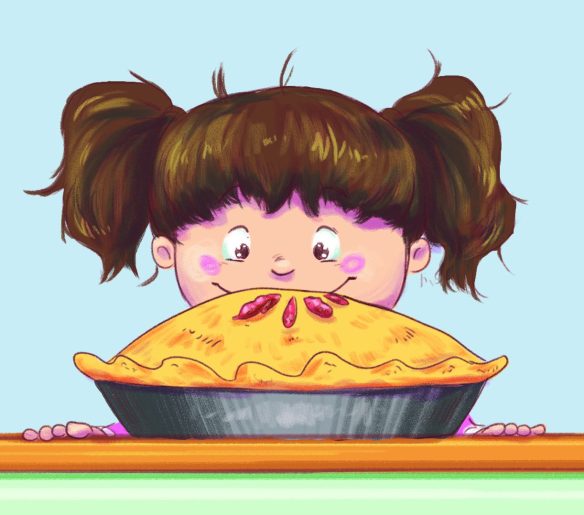
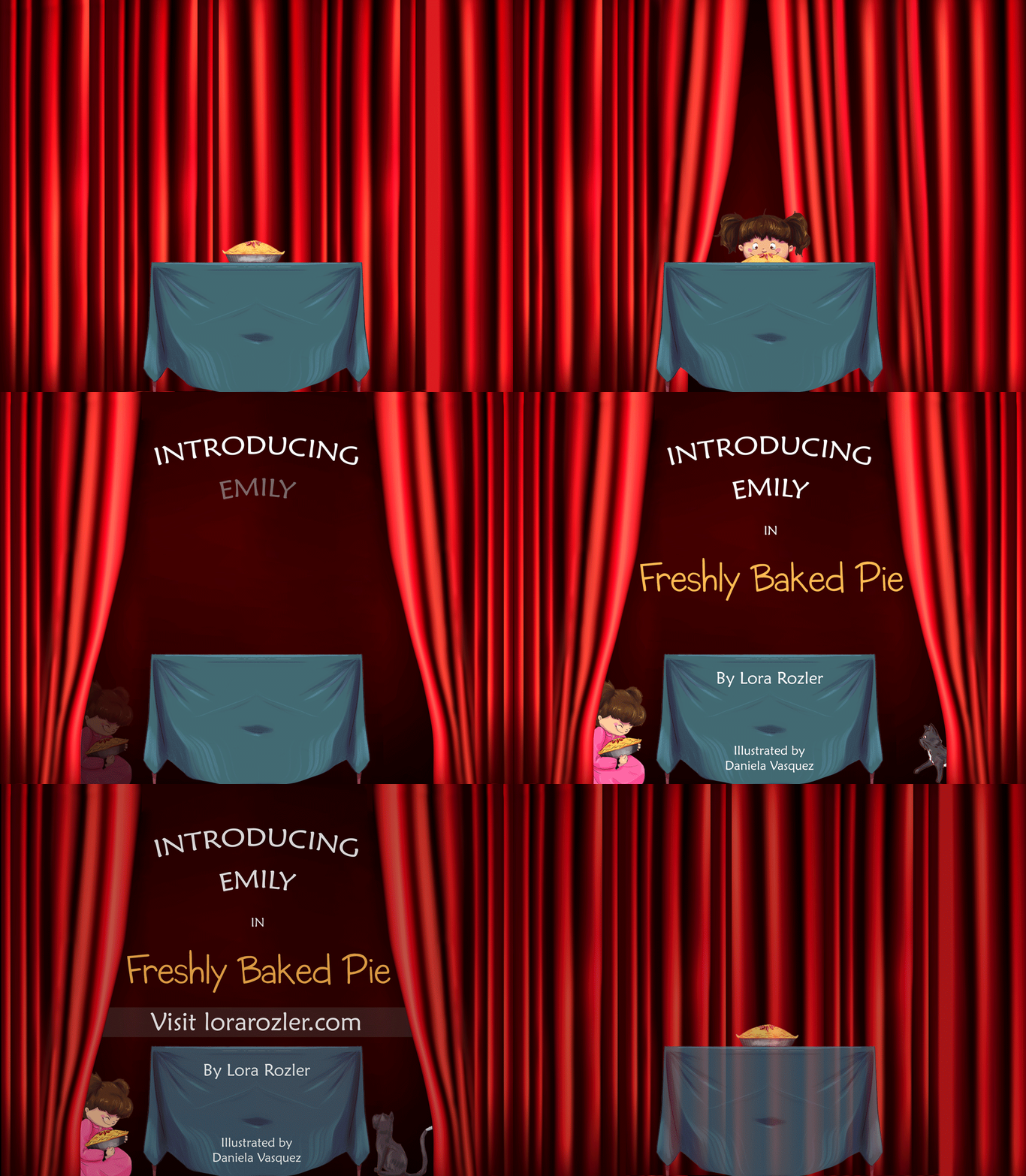 Freshly Baked Pie is a whimsical tale about five year-old Emily who struggles to do the right thing when she is told to stay away from a cooling pie. Cleverly written by Lora Rozler and beautifully illustrated by Daniela Vasquez, Freshly Baked Pie invites readers along Emily’s imaginary battle with a mischievous pie. Never has examining rules and consequences been so much fun!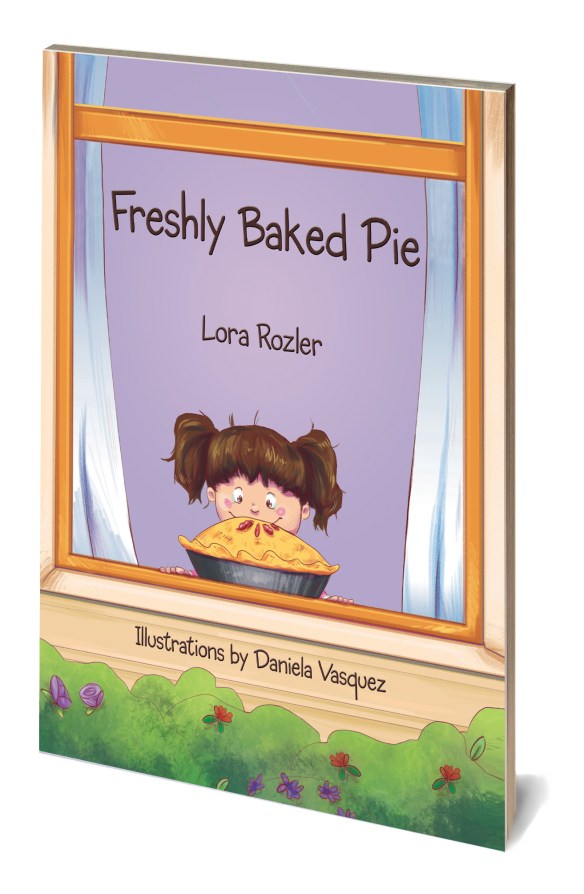



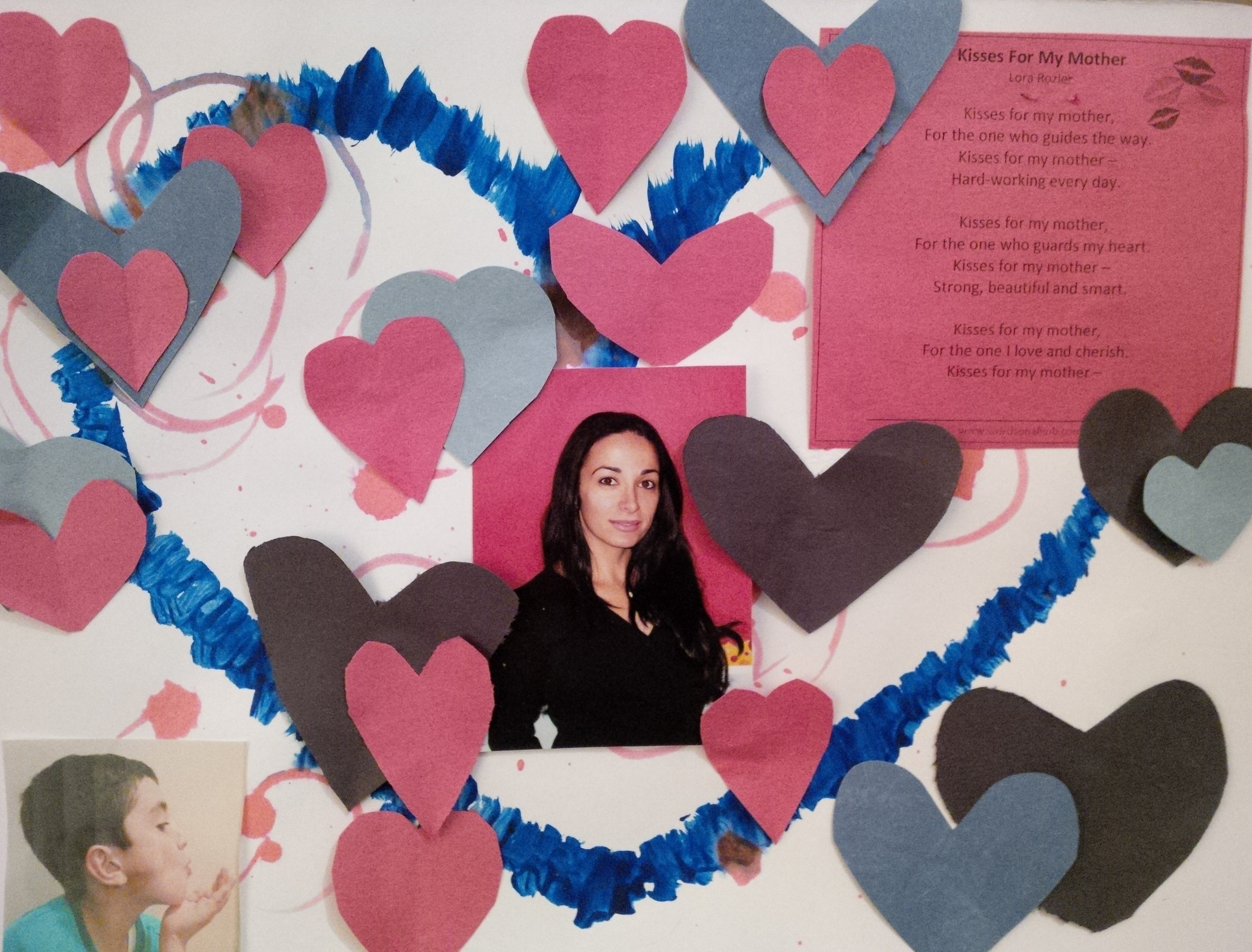
 Mother’s Day is fast approaching and we have surely begun preparing for it in the classroom. This year we are showing Mom (or the special mother-figure in our life) how much we love her with lots of kisses in a love-filled picture frame. We sure hope this becomes a craft Mom will treasure.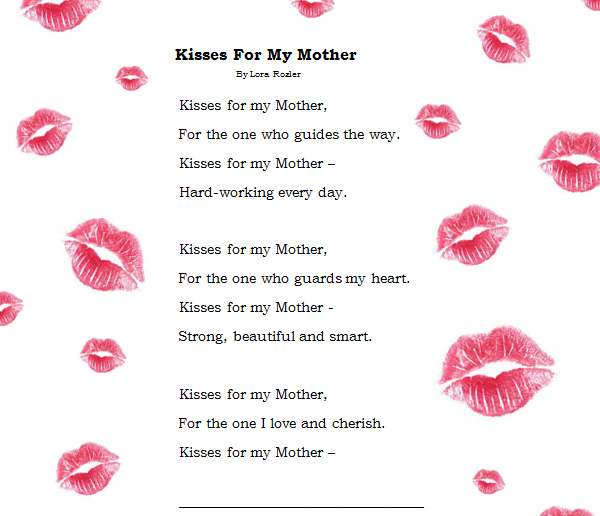



 The other day, I came home with a small box of groceries. As I emptied out the box, an idea struck. Knowing kids love to make crafts (especially out of boxes) I challenged my children to think of something useful they could make out of the box. I gave them one condition – they had to agree on what they would use the box for. Excited by the venture, they set on their way, thinking and planning. I overheard them talking about what they each wanted the box to be used for (yes, you guessed it – they were not on the same page). I continued eavesdropping, pretending to be busy in the kitchen, hoping they’d soon come to a consensus. Five minutes later the arguing began and so I stepped in. My goal was for them to present their idea together, but perhaps a little friendly competition wouldn’t hurt.
 Words On A Limb