In a word
Hope, richness, belonging, open. These are a few of the words some naturalized citizens from across Toronto used to describe their feelings about Canada and their citizenship.
To celebrate Canada Day the Star profiled 10 naturalized citizens, representing 10 different countries. Some were refugees; others came as immigrants. Some have been here for decades; others are newly arrived.
But they all share a common love for the freedom Canada has guaranteed them and the security their citizenship has given them. They place great value on their Canadian citizenship and it has deep meaning for them.
From Pakistan

Aisha Daanish, 42, laughed as she recalled how she missed Canada when she went back to Karachi, Pakistan to visit family and friends only a year after she first arrived.
It was an odd and surprising reaction, she confessed. She had spent most of her life in Pakistan. Yet, here she was back in her native land and all she did was miss Canada.
She chose the word warmth to describe a country that has some of the bitterest winters on the planet. But it isn’t the temperature that she’s referring to, but rather the warmth in people’s hearts.
In Pakistan, Daanish, a kindergarten teaching assistant in a private faith-based school in Mississauga, realized it was that warmth she was missing; craving. Even the tiniest gestures of friendship, such as a neighbor advising her and her children to dress warm on a crisp fall day, made her feel she was part of the fabric of the country.
“That really touched me because that’s what Grandmas used to do in my country of origin,” she said, explaining she doesn’t feel she can call Pakistan her home anymore. “This is home now so there has to be another word other than back home.”
From Sri Lanka

Tolerance is the word Keren Stephen chose to represent her feelings about Canada.
“We are mindful,” she said of Canadians. “There is a reluctance to succeed at any cost here. And I guess the whole culture is one of tolerance and including people.
“I like Canada. I like its values. It’s amazing the amount of volunteerism that goes on here.”
The 50-year-old chartered global management accountant came to Canada in 2009 along with her brother, his wife and two nieces from Sri Lanka. They left because of the violence.
“Being in a war area there’s so much activity,” she said. “There’s so much negative. Even if you’re not personally suffering, you hear about others suffering. I was affected, but not directly. You’re living in a war. There is fear, risks.”
After travelling the world for business, she settled on Canada after ruling out the United Kingdom and Australia. “I had heard good things about Canada…One of the key things is values…Canada is a very inclusive country. I wanted to form my home base here.”
She got her Canadian citizenship in November, 2013. And it was momentous. “It was the final signing off,” she explained. “That’s it. You’re there now. You’re a citizen and have obligations. It also gave me the feeling that I can really behave like a citizen…I can call myself a Canadian.”








 nourished your soul for the past six years. Images of her inundate your mind, cascading from one scene to another. The day she was born was your happiest ever. You planted a tree in her honour that year. Will it continue to grow in her absence? You recall how easy it was to soothe her then. You’d hold her in your arms and sing sweet lullabies, the very ones your mother once sang to you. But who will comfort her now when she’s lonely and scared? Will they care for her when she is unhappy or sick? What if she’s hurt? What if she’s hungry? You panic. You try to restrain the fear that is taking over.
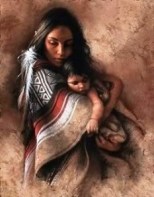 It will not be alright when they tell her she must abandon her birth name. It will not be alright when they cut off her braids. It will not be alright when she feels homesick and is denied her brother’s embrace. It will not be alright when she wonders why you cannot be there on her birthday or why she has to miss grandpa’s 70th. Time will surely not fly. But you do and say what you must, for the choice is not yours.
 n just a few moments the scent of your hands will be all she has left of you.
 You are numb. You wave when all you want to do is shout at the world. That is my baby disappearing into the thick mist.
 A very interesting math lesson stemmed from a story I read to
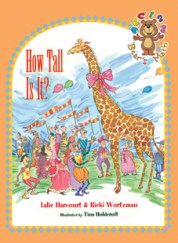 my students about a king who got a giraffe as a birthday gift. The king challenged his townspeople, offering a reward to the first person who would be able to tell him how tall his giraffe was. The people set off to measure the giraffe in whichever way they could – none of the attempts were successful. Every failed try served as a great lesson about measurement do’s and don’t’s.
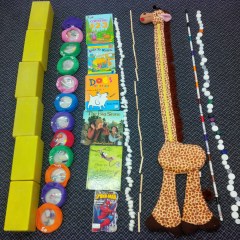 After extracting important math concepts from this adventurous story, I introduced students to a giraffe of my own (my children’s old plush growth chart). I posed the same question to an eager-looking bunch (there was no gold incentive on my end though). With just enough direction, I let students explore solutions to this problem during Learning Centres time. Students showed remarkable interest in this challenge and began gathering all kinds of objects to use as measurement tools.
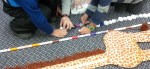 Before long, the carpet was filled with various
 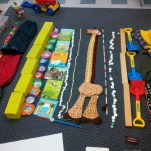 objects: building blocks, popsicle sticks, snow pants, jackets, bottle caps, books, markers, etc. Students were so excited, they even suggested using me as a measuring tool. How could I say no to that? After a few chuckles and excited cheers, we sat
 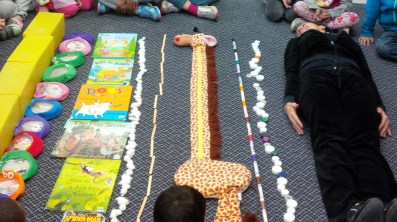 down to reflect on our findings, which ultimately led to another great inquiry question? Why did we need so many cotton balls yet such few blocks? How does the size of the measuring tool affect the measurement?



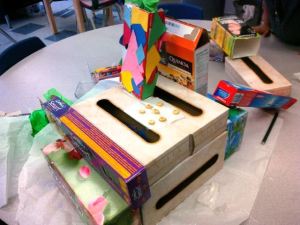
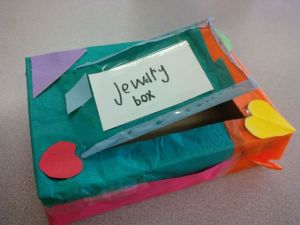
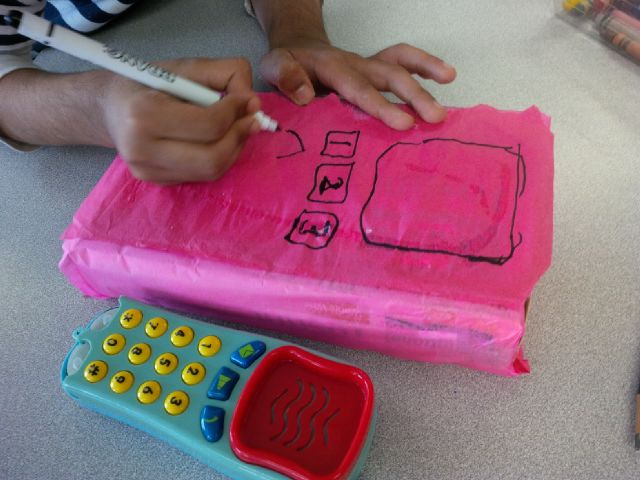
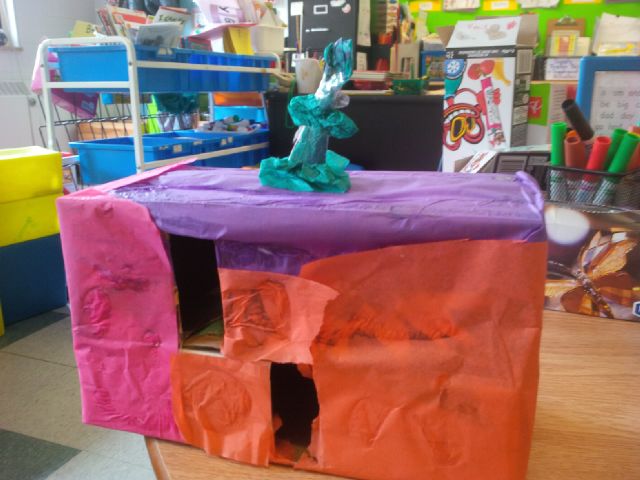
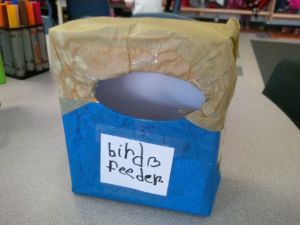
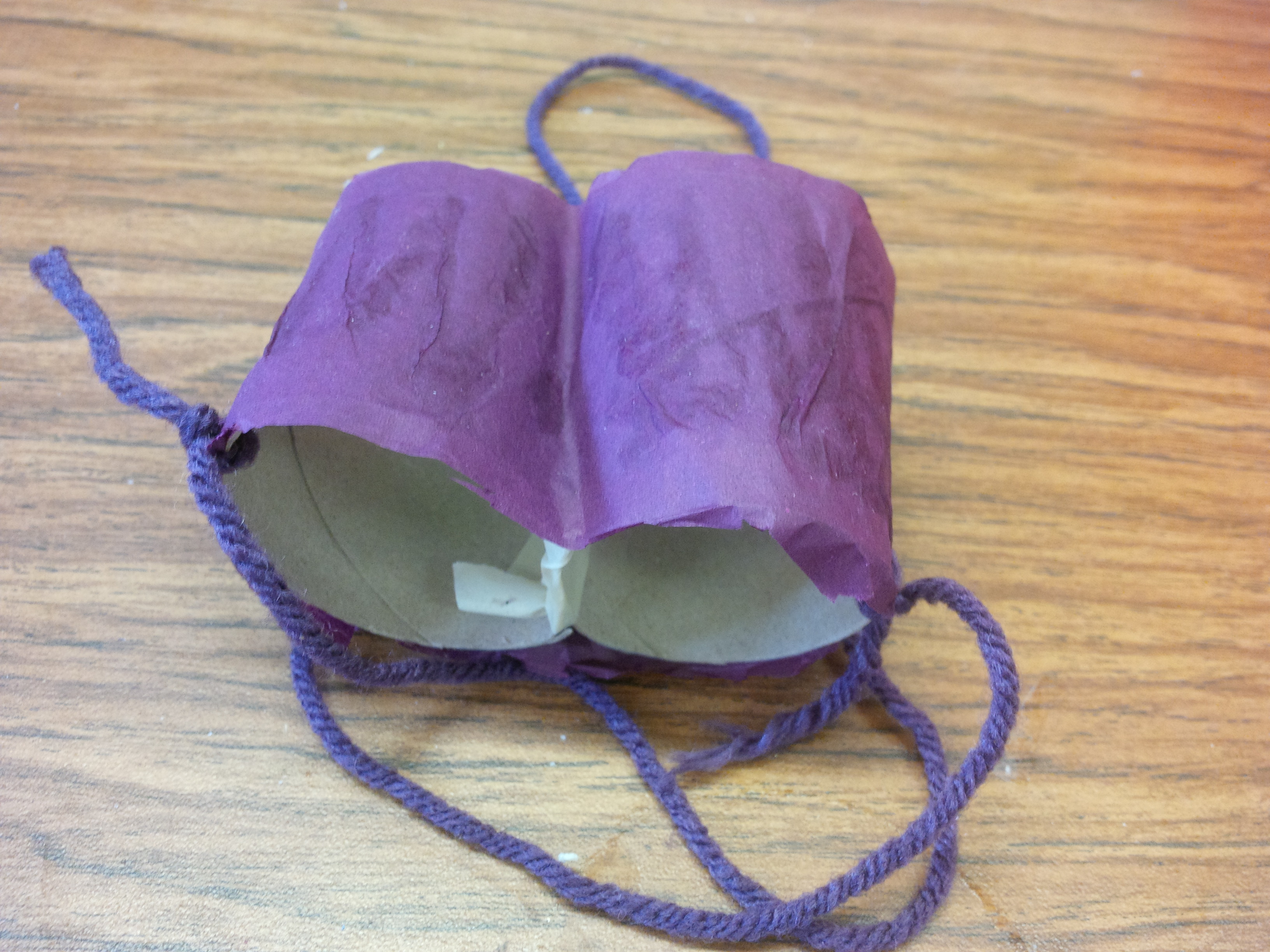
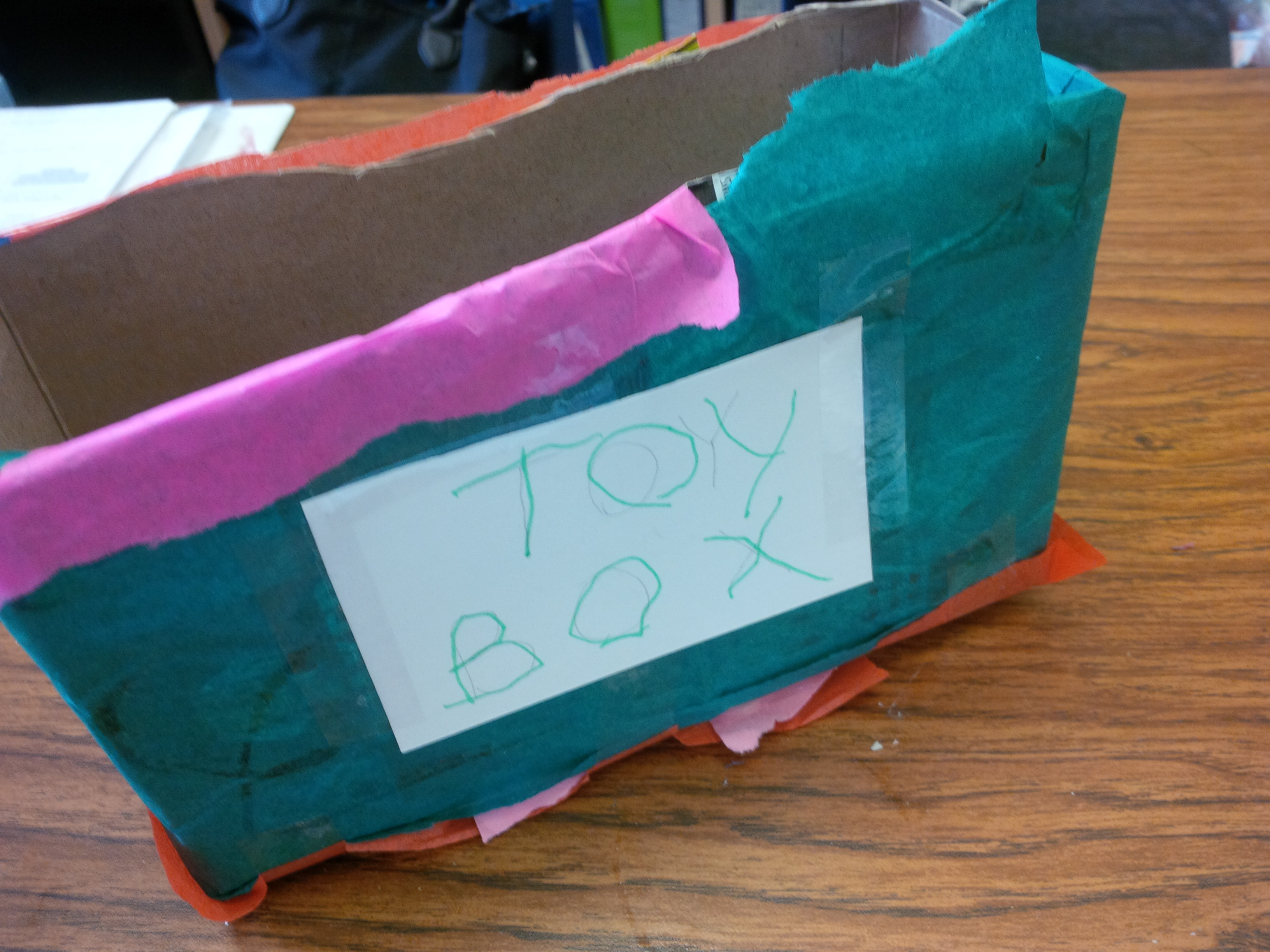



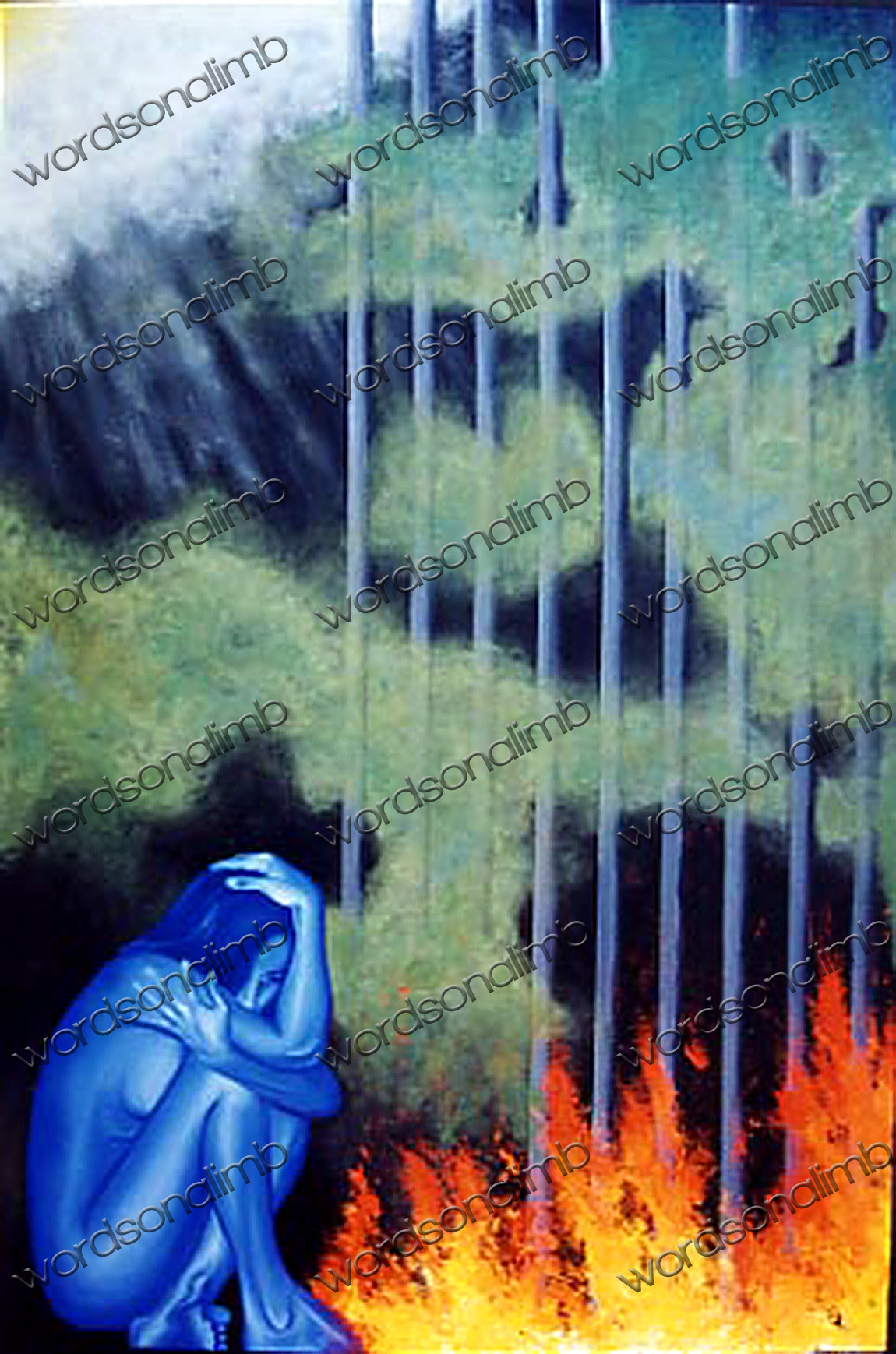
 Hello everyone and welcome back to Words on Art, where we invite artists and writers to collaborate and creatively blend brush strokes with words. We would like to thank Tammy for her successful writing submission, The Proposal, chosen to complement Jana’s painting, Peach and Bear. We would love to hear your feedback on this creative blend – please share your thoughts in the reply box in the bottom of the post. Thank you Jana and Tammy.





 Words on a Limb would like to wish everyone who is celebrating, a Happy Passover and a Happy Easter!
 To make the soup, grate and combine 1 of each of the following:
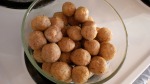 In a wide pan, boil water, adda dash of salt, 1 tablespoon of oil, and cook a few of the balls at a time (not to overcrowd pan). When the balls rise to the top (about 5 minutes), scoop them out. Continue until all are done.
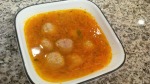 When vegetables in soup pot are tender, add enough boiling water to go just below rim. Season the soup with 2-3 tablespoons of chicken seasoning mix. Add additional seasoning to your liking, including paprika, turmeric powder, and salt.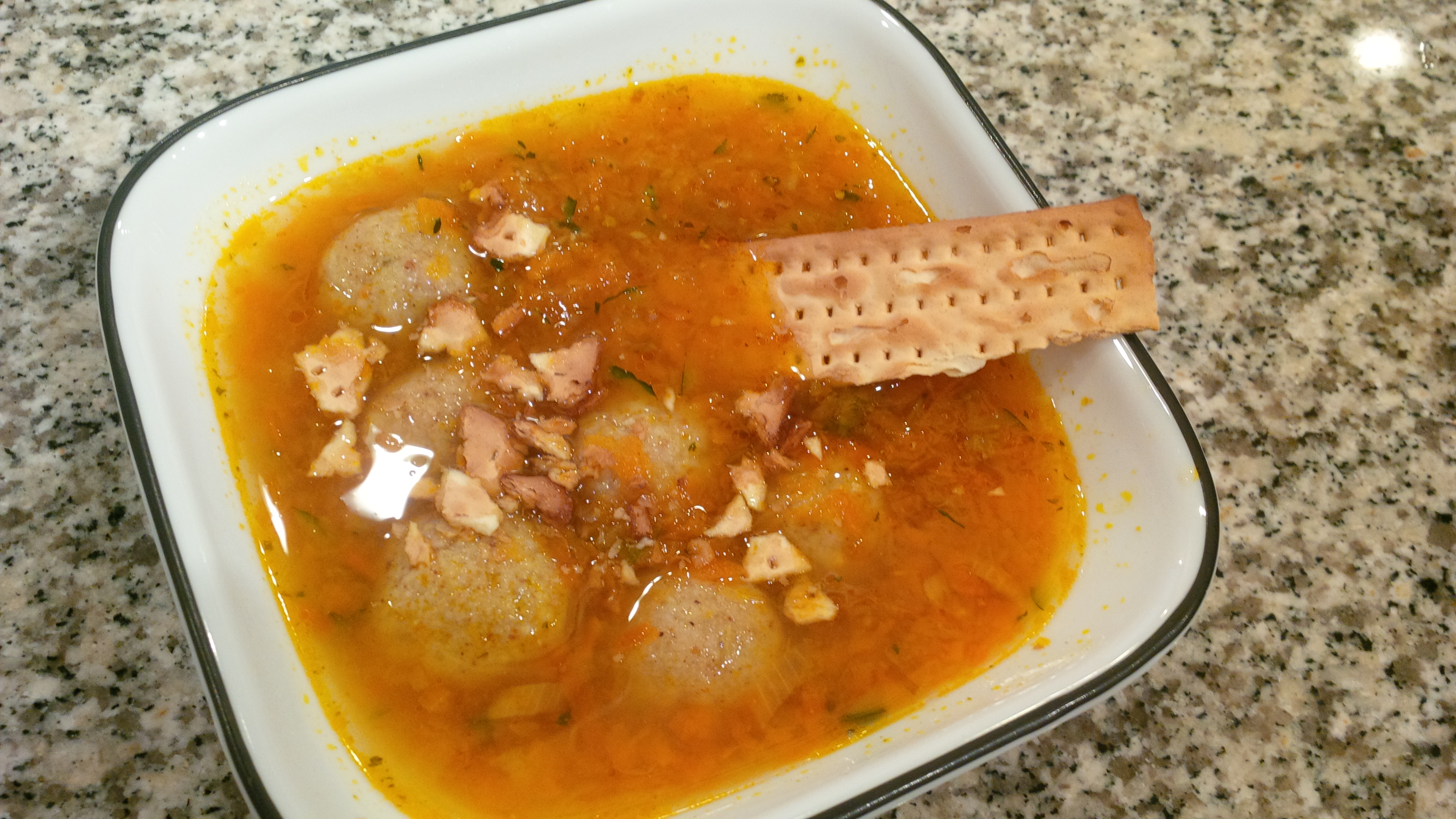
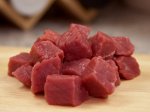 olive oil. Season the beef pieces with salt and pepper, and add them to the oil. Let the beef brown on both sides. Cut the onion in half; stud each half with 3 cloves. Cut the celery and carrots into chunks add them to the pot with
 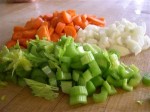 the onion, the herbs, and 3 quarts cold water. Let broth come to a boil, then reduce heat to a simmer. Skim off any gray foam that forms on top; simmer soup for one hour. Add the lamb pieces; simmer the broth for another hour, skimming as needed.
 save the meat for a delicious salad: Shred the meat finely and dress with olive oil, red wine vinegar, minced red onion, chopped capers, fresh parsley, salt, and pepper—terrific on top of toasted bread rubbed with a little garlic.) The broth can be made a day ahead of time and refrigerated overnight.
 and let it sit in the pot for about 3 minutes. Taste for seasoning and add salt if necessary. It is important that the broth is hot, but not boiling, which would curdle the egg yolks. Place a warm, toasted round of bread, dribbled with some extra-virgin olive oil, in the bottom of each soup bowl.
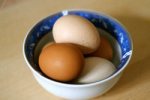 lightly with the minced fresh marjoram and parsley, a few grinds of pepper,
 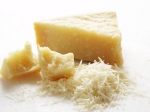 and the lemon juice. Slowly ladle in the hot broth,whisking simultaneously to prevent the egg yolks from curdling. Immediately ladle the soup into the bowls and over the bread; grate plenty of Parmigiano-Reggiano over the top.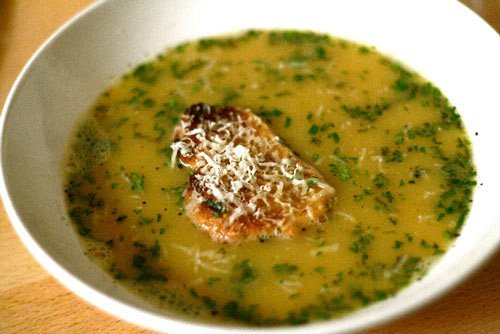

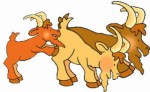 Hello everyone. I hope you had a restful March break and are excited about the week ahead. I’d like to share a poem I wrote a little while back titled,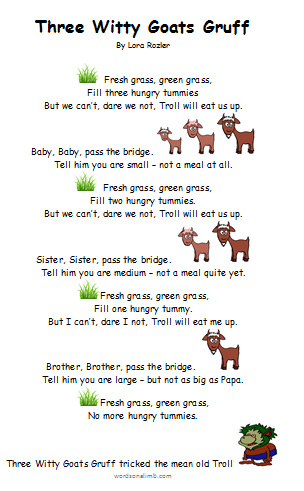

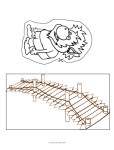
 One of my students favourite follow-up activities was to re-enact the poem using stick puppets. It is a wonderful way for them to practise retelling the story and have fun while doing so. Some benefits of using stick puppets to teach literacy include strengthening oral vocabulary, acting in role, building comprehension, retelling a story in sequence, and recalling details.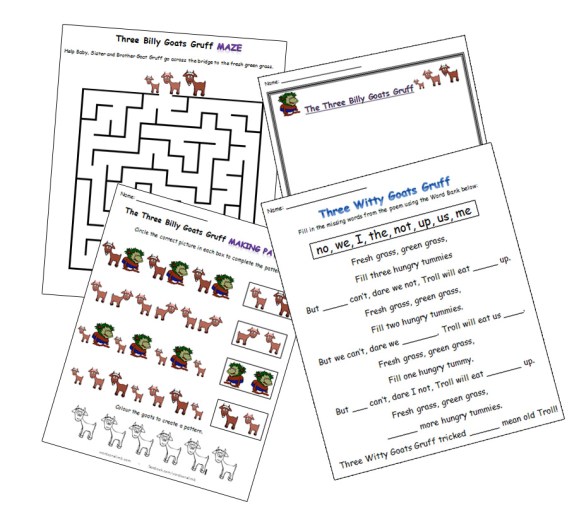



 Words On A Limb