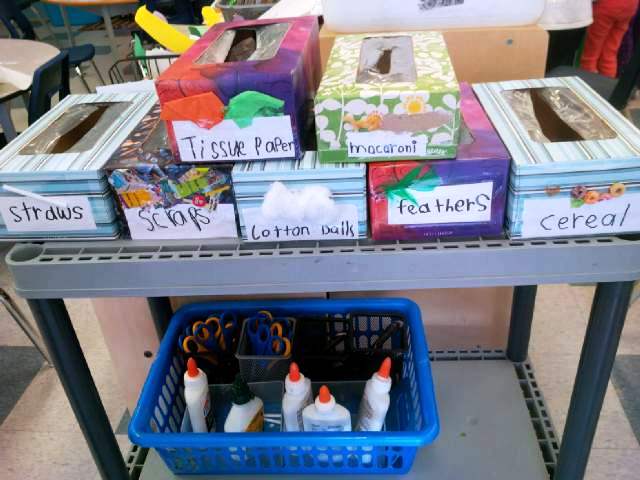
 Roses, cards, chocolates, cookies, breakfast in bed, you-name-it, Mother’s Day sure brings out the sweetest in us. Celebrated on the second Sunday in May each year, Mother’s Day is a time to honour our one and only – our precious Mother (or a mother figure in our life).
I am sure I speak on behalf of many moms out there when I say the most precious gift we can receive on Mother’s Day is one that is especially handcrafted for us. As a teacher I keep this in mind as we set out to cut, glue and craft a personal treasure that Mom will want to keep around for a very long time (if not forever).
Below is a poem I wrote and plan to share with my students this week. Keeping in mind that not all children may have a mother in their life, I left the recipient open to include a figure that takes the place of a dominant caregiver, whether it be a grandmother, aunt, sister, etc.
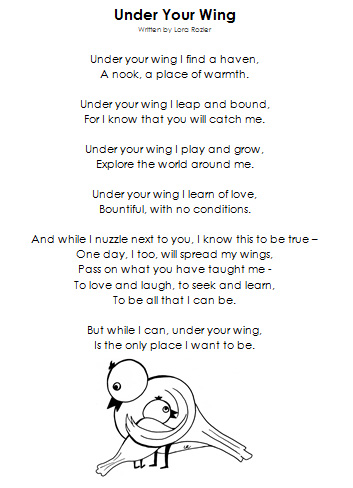

Under Your Wing by Lora Rozler is licensed under a Creative Commons Attribution-NonCommercial-NoDerivatives 4.0 International License.
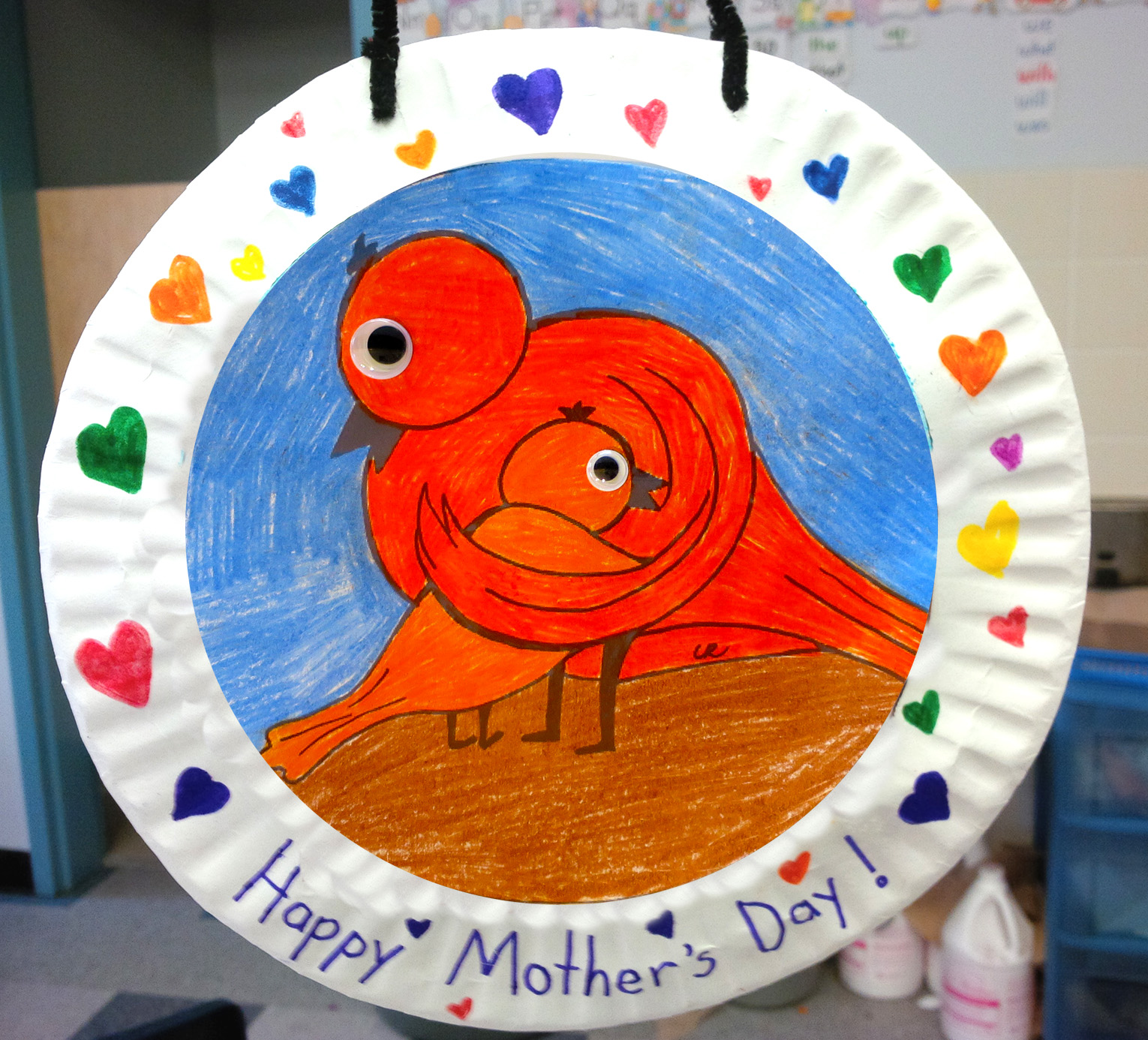
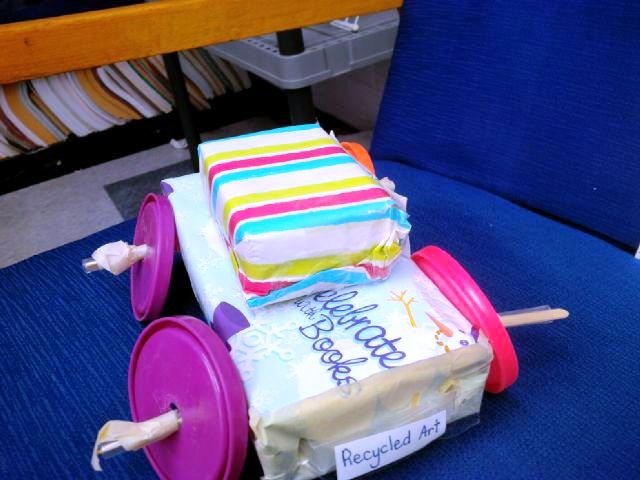
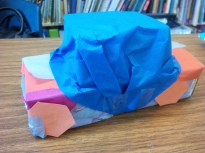
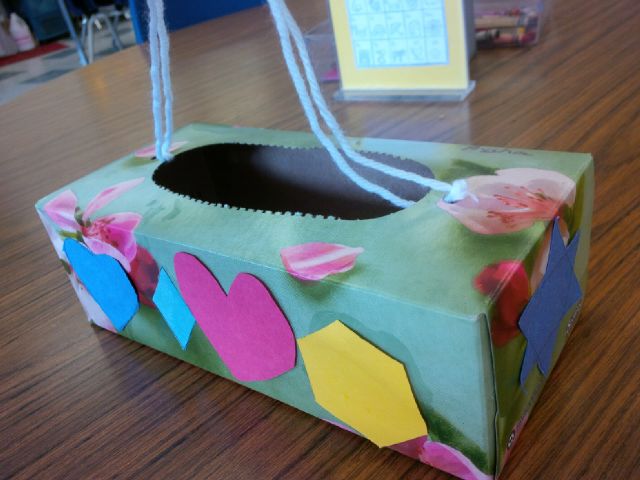
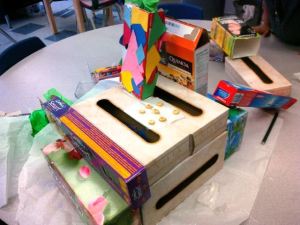
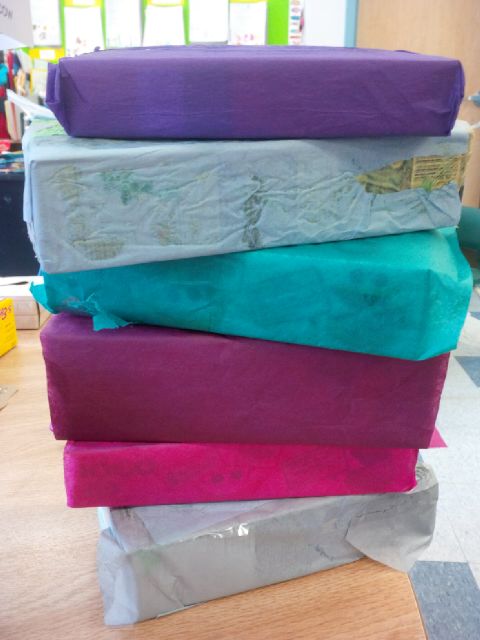
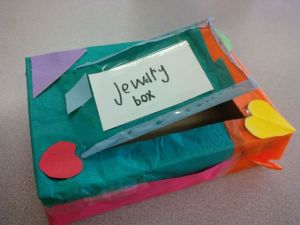
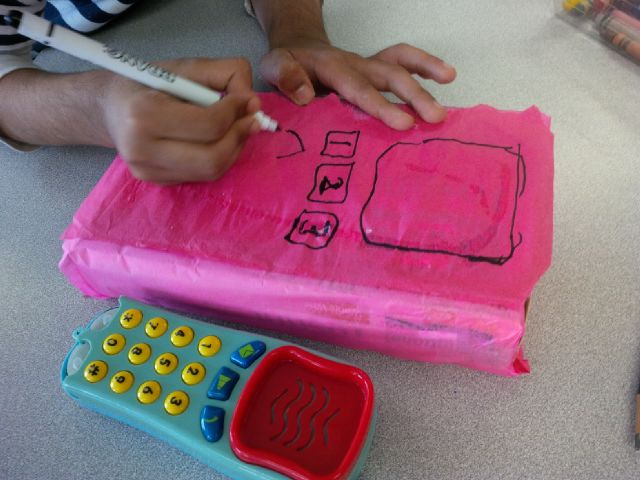
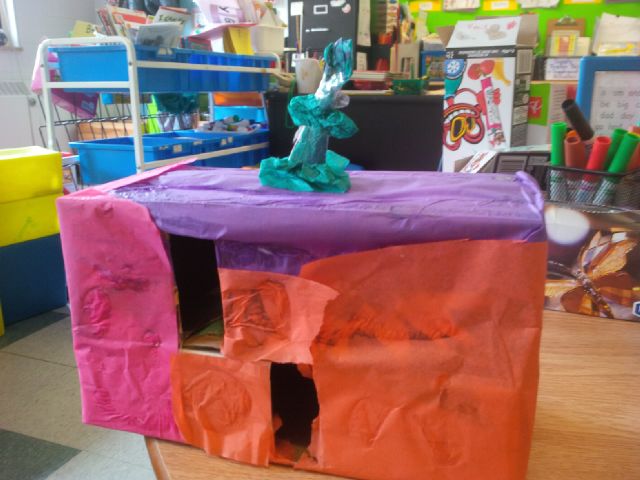
For this year’s Mother’s Day craft, my students will be making a mobile frame, with the theme of my latest poem in mind. Here is a sample of the finished product.
Mobile frame – Back side
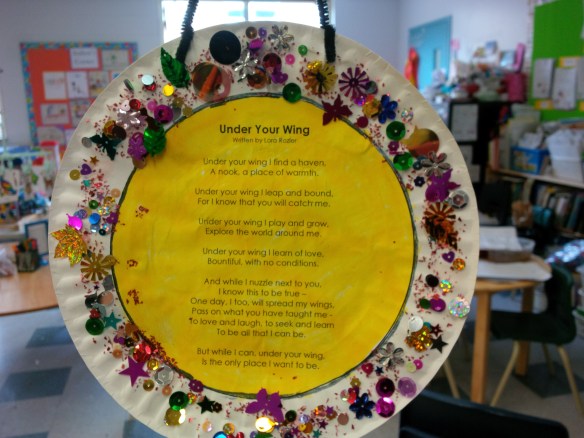
Front SIDE – option 1
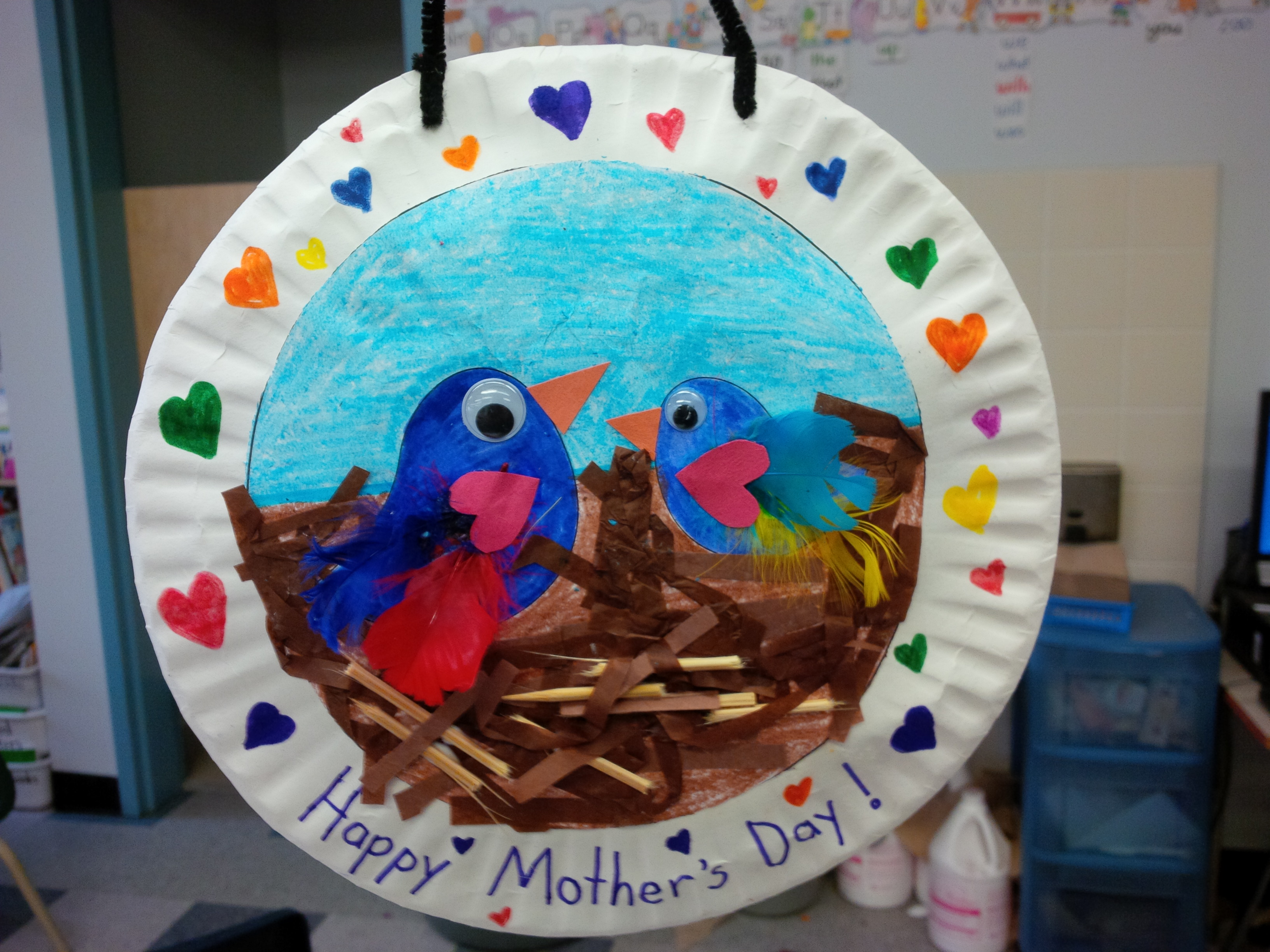
front side – option 2
To download a copy of the poem and the craft templates, for your personal use in the classroom, click on the heart image below.


Join my Facebook Community and stay in the loop when new teacher resources are available.
Thank you for your support!
Let the countdown and crafting begin!
Happy Mother’s Day!
Lora






 Hello everyone. I hope you had a restful March break and are excited about the week ahead. I’d like to share a poem I wrote a little while back titled,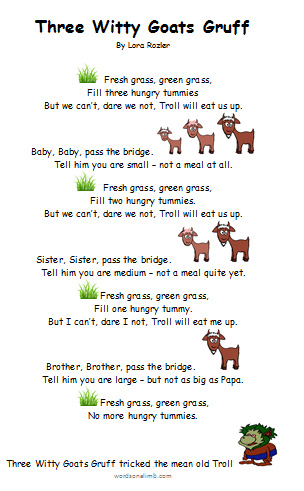

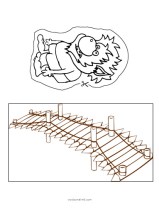
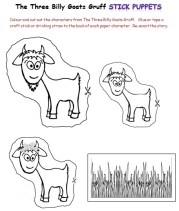 One of my students favourite follow-up activities was to re-enact the poem using stick puppets. It is a wonderful way for them to practise retelling the story and have fun while doing so. Some benefits of using stick puppets to teach literacy include strengthening oral vocabulary, acting in role, building comprehension, retelling a story in sequence, and recalling details.



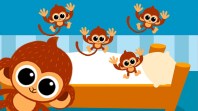
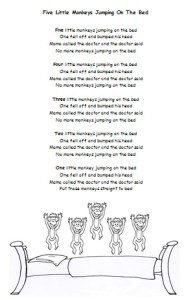 As I go through the story again (generally over the span of a few days), I take a moment after each verse to introduce a math fact or draw a composition of the monkeys in relation to the bed (i.e., 5 monkeys on the bed and 0 on the ground; 5 + 0 = 5). By the end of the story, we cover all the combinations of five. While we review the math facts, I draw their attention to the pattern that emerges (i.e., when the number of monkeys on the bed decreases the number of monkeys on the ground increases). For the rest of the week, I invite 5 different students each day to come up and re-enact the poem while we sing to it. We continue to review the math facts as we go along.
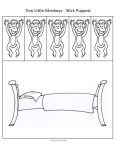 As an extension, and one that students really enjoy, I have students re-enact the story/song using stick puppets. They begin by colouring and cutting out a template of the bed and the 5 monkeys. Then they glue a popsicle stick to the back of each monkey and take turns re-enacting the story/song to a partner. By the end of the week, the stick puppets get sent home with a letter to parents.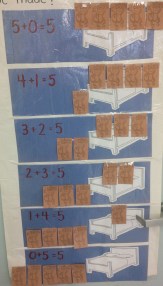
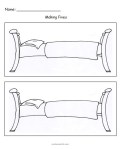 A great way to gage students’ understanding of the concept and evaluate their learning is to have them repeat this activity with bingo dabbers (one colour representing the monkeys on the bed, and another representing the ones on the ground). Each student gets 6 bed templates and uses two colour dabbers to show the various combinations the monkeys could be arranged (i.e., 3 dabs on the bed, 2 on the ground).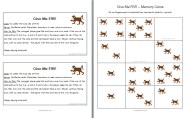
 Here is a card game I made to help students practice their facts to five and sharpen their memory skills while they’re at it. After introducing it as a whole class activity, I left it at the math station for students to play with during Centre time. I will be sending home a template of the game for families to assemble and enjoy during the March break as well.

 Have a fabulous March break!
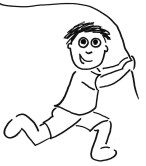
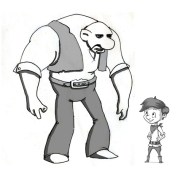 Happy Monday everyone. I’d like to share a poem I wrote a couple of years ago and plan to share with my students this week, as we begin exploring the concept of measurement. The Giant and I is a charming poem about a little boy who outsmarts a fearsome giant. It opens up a great discussion about the various ways the characters could be described (big, small, tall, short, heavy, light, wide, narrow, etc.) hence setting the stage for building the appropriate vocabulary for the unit. A follow-up activity is included, integrating concepts about size and shapes.
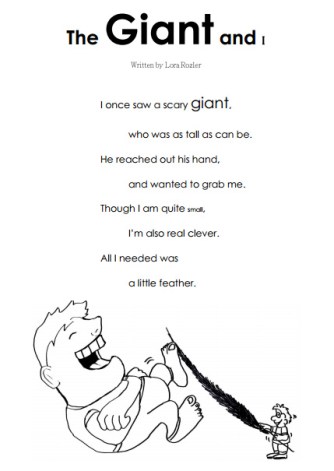 Click on the image of the giant to download a copy of the poem and worksheet for your personal use in the classroom.

 Bullying is a major problem in our schools, workplaces, homes, and over the Internet. During the month of February, many organizations across Canada will work to raise awareness on this issue and give us the tools needed to stand up against bullying and step in when we see it happening. February 25th is

 One look out the window on most winter days and your first instinct is to crawl right back into bed and curl up like a ball. But as cozy as that sounds, its not always an option.
 Peek-a-Boo, Why Don’t I See You – Animals in Winter, is a poem I wrote to help children understand how various animals cope during the winter. It introduces the concepts of hibernation, migration and adaptation.
 A fun and memorable way to acquaint students with the vocabulary is to form associations with them. (If you enjoy acting every now and then, this is a good time to show off those skills). I began by telling my students that I have a team of ‘scientists’ that will be working with us. I told them that my name was Bernate and asked them to wave and say hi to me, (hence hi-Bernate). Then I pretended to fall asleep (hibernating teacher). They seemed perplexed at first, but smiled when they understood what I was doing. Next, I introduced my pretend assistant named Grate (an invisible bird sitting on my hand) and gestured that he is only mine, (hence my-Grate). Then I pretended to catch him as he attempted to fly away (migrating assistant). Finally, I added our last participant to the mix – a very furry fox named Apt, (add-apt). There I had it, the terminology (and basic meaning) that students would need for the unit was now easily accessible with simple gestures as cues. (I can’t help but smile when I see my students mimicking the gestures I associated with the terms).

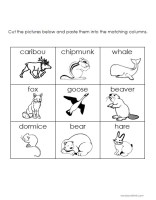
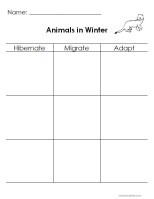 enjoyed reading many fiction and non-fiction books about Winter Animals, we have equally enjoyed filling a class chart on animals that hibernate, migrate and adapt. Though our list continues to grow each day, I selected various animals to be used in a follow-up sorting activity (sample here).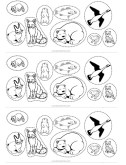
 Winter Wonderland
 Sleepy Bear Students use


 I ate my dinner but I was mad.

 Gary A. Stewart, the corporate business officer, has a unique record of accomplishment in the areas of strategic planning, domestic and global business development, marketing and sales, and operational management. Gary has been actively involved in all major facets of the pharmaceutical industry, leveraging his scientific and business background to promote entrepreneurship, strategic and critical thinking, innovation and creativity. Gary is a successful inventor and active educator. Visit his website at


 Words On A Limb