Nothing fills the classroom with more excitement and cheer – and gives you instant celebrity status (the coolest teacher ever) faster than the declaration of Game Time!
While students see this is as a well deserved break from all their hard work, what they don’t suspect is that it’s actually a way to consolidate their learning, albeit outside the typically structured setting (but they don’t need to know that). Playing cards reinforces important math skills (number sense; number recognition, counting, adding, subtracting), social skills (taking turns, sharing, sportsmanship) and builds on children’s strategic thinking and planning. As a teacher, of course, observing my students play is the perfect opportunity to also assess their strengths and weaknesses in these areas and plan future lessons based on their needs.
So go ahead – roll up your sleeves, gather eager players, hand out the cards and let the games begin!
A few notes:
- For the purpose of the games listed below, an ace represents the number one.
- Unless otherwise specified, each game is played in a group of 3-4 students, but can be modified to include more or less players.
- If you want your students to keep score, have some paper and pencils handy.
- Remind students to shuffle the cards well before each game.
CARD GAMES FOR THE CLASSROOM
Give Me Ten
Place all the cards facing down in the centre of the table. Each player picks up 4 cards and holds them up, not revealing their cards to the other players. Four additional cards are drawn and placed in the middle as the ‘bank’ reserve. The first player tries to match one of their cards with one from the bank to add up to 10. For example, if a player holds a 6 and the bank has a 4, they collect the card and place it aside as a ten-point. They can also add up to 10 by picking up various other combinations (i.e., 6, 2, 2 or 5, 1, 4) and by using as many of their cards as possible in one turn. The aim is to make as many sets of 10 as possible. If/when the bank is ‘empty’ the current player must put down any random card from their hand and the next player continues. With each round, players continue to pick up 4 cards and aim sets of 10. A king can only pick up a king, a queen only a queen, a jack can pick up all the number cards. When no cards remain, the player with the most sets of 10 wins the game. As an alternative, instead of adding to 10, choose another number (i.e., 11, 12).
One Hundred
Each player picks up 4 cards from the deck and place them face up. Players rearrange their cards and try to create number pairs that add up to 100, or else as close as possible. For example, the cards 9, 1, 4, 5, can be arranged to create two larger numbers: 51 and 49. When added together 51 and 49 equal 100. When everyone’s ready, they should share their final numbers. Whoever is closest to 100 receives a point. Play for 10 rounds. The player with the most points at the end of the final round wins.
Memory Game
Spread the cards face down on a table in a random pattern or in a grid. Players take turns turning over two cards while all the players can see them. If they are not a matching pair, they turn them back over. The next player turns over two cards. If they are a matching pair, that player removes them from the table and keeps them, and then has another turn. When all cards have been removed from the table, each player counts up the number of cards they have collected. The player with the most matching cards wins the game. This is a great game to enhance memory and concentration skills.
Bluff
Divide all the cards equally among the players. Players may organize their cards without showing them to the others. The first player places a card face down in the centre of the table saying ace. The next player must place down a card higher up in value (i.e., number 2). The following player discards threes, and so on. Players announce their cards as they lay them. After kings have been played, aces start again. Players can discard up to four cards at a time. Players don’t have to play the cards they announce – they can be bluffing. After each turn, any player can challenge the last player (if they believe they are lying) by saying You’re bluffing! When this happens, the challenger can look at the discarded cards. If they match what the person who played them said, the challenger picks up all cards in the discard pile and adds them to his personal pile. If the cards are not what the person said they were, the player who discarded them must pick up the entire discard pile. The player to lay down his entire hand of cards first will win the game.
Higher Up
Divide all the cards equally among the players. Cards facing down, each player turns over a card from their ‘bank’ and puts it down in the centre. When all of the players had a chance to put down a card, the player with the highest ranking card takes them all and places them aside. With each round, players continue to place down cards from their ‘bank’, until no cards remain. The player with the most cards at the end wins the game. As an alternative, the player that can make the most sets of ten wins the game (i.e., 5, 2 and 3 is one set of 10; 9 and 1 is another, a king and a king is a ten, etc.)
Crazy Eights
Each player is dealt five cards. The rest of the deck goes facedown in a pile, with the top card turned up beside it. This is the discard pile. The player to the left of the dealer discards a card from his hand that matches either the number or suit of the top card in the discard pile. For example, if the card is a five of hearts, he could play any heart or any five. If he does not have a matching card, he continues picking up cards from the deck until he gets one that is playable. Eights are wild and can be put down on any suit. For example, an eight could be played to match a heart. The next player must match their card to the number or suit that the eight was meant to cover. Play continues with players matching the card at the top of the discard pile. The first player to use up all his cards wins. If the deck runs out before the game is over, the discard pile can be used.
To download a free copy of Card Games for the Classroom for your personal use in the classroom, click on the image below.
Happy playing,
Lora

 What an absolutely beautiful summer we’ve had here in Toronto! Plenty of sunshine and heat – a much needed break from the otherwise crispy weather we are quite accustomed to. Though there is still ample of time to bask in the season’s warmth (so I’d like to believe), many of us teachers are beginning to prepare for the new school year ahead.
 Establishing firm rules and consistent routines is on every teacher’s immediate agenda. To the same degree however, September is a time of pure excitement and renewed optimism as we get to know our new students and gear up for lots of learning and fun together. Admittedly, this year is especially exciting for me, as I move to teach grade 2. Though I will dearly miss my Kindergarten students, they will be just across the hall from my new room (yay to visiting them often).
 Regardless of grade, I like to begin every school year by setting a communal tone in the classroom. After all, if we are to successfully work together for the next ten months, we need to respect and value each other, similarities and uniqueness all the same. With the goal of establishing a sense of togetherness, celebrating individuality and getting to know each other, while easing into a new school year together, I have prepared a few Back-to-School activities. You are more than welcome to download the resources for your personal use in the classroom by clicking the Back-to-School image on the bottom of the post.
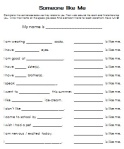 out the sentences on the Someone Like Me template. Then invite them to walk around the room and find classmates that share the same responses. Encourage children to write their friend’s name on the space provided, but be open to allowing them to have their friend write it out for them (this will help lessen the anxiety for those kids who are not yet able to). This serves as a great ice breaker and gets the kids interacting.
 fun and safe classroom environment. As part of that discussion, brainstorm qualities of a good friend and invite students to reflect on why this would be especially important as we begin a new school year together (and of course, all the time). You may want to write some of these ideas down on chart paper for students to reference as they fill out a personal Friendship Promise. Following their writing responses, invite students to have fun creating a mini-me template, adding hair, arms, and legs. Join the templates together and post them around the room so they can easily be referred to during the year. I also like to have a few spare copies around, for students who join the class later in the year.
 which we are all the same (i.e., we all have feelings, we all have needs, all in same grade/class, etc.). Then discuss what makes us all different and unique as well (i.e., we have different thoughts/opinions, different names, likes/dislikes, etc.). As a culmination of this discussion, invite students to depict these similarities and differences, via writing and/or pictures.
 Get to Know Me. Each day, invite 3-4 students to share something about themselves with the class. After each presentation, encourage students to ask questions as a way of getting to know one another better.
 students’ names and have them work in pairs (or independently) to find all their classmates names. If there is enough space, you may want to include your name, as well as other teachers that will work with your students this year. This is a a nice activity to use toward the end of the first week of school, since the class list will be more up to date by then and won’t leave anybody out.
 Divide the class into groups of 3 to 5 students. Provide each group with a bin of random objects and have them work together to build a free standing structure. Tell students that you will be observing them and taking notes as they work together, but be somewhat vague about how you will pick the winner (shhh, it will be a surprise). Most students will likely assume that the highest structure will win the challenge, but the ultimate goal of this activity will be to see which group can work together best as a team, supporting and including one another. As a reflection, discuss things you saw and heard as you walked around the room and begin a chart on effective teamwork strategies (more ideas can be added to this chart throughout the year).
 Back to School, Splat!
 It’s My School
 Nobody’s Mother Is in Second Grade
 First Grade Jitters
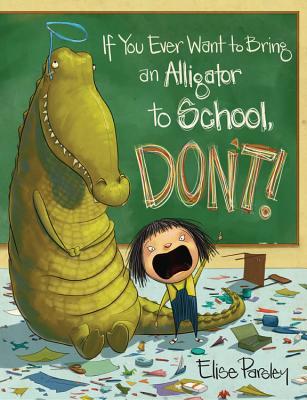 If You Ever Want to Bring an Alligator to School, Don’t!
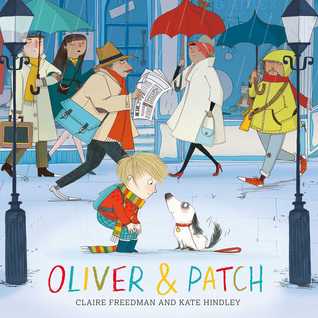 Oliver & Patch


 A very interesting math lesson stemmed from a story I read to
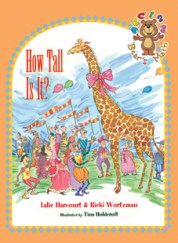 my students about a king who got a giraffe as a birthday gift. The king challenged his townspeople, offering a reward to the first person who would be able to tell him how tall his giraffe was. The people set off to measure the giraffe in whichever way they could – none of the attempts were successful. Every failed try served as a great lesson about measurement do’s and don’t’s.
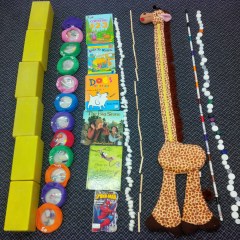 After extracting important math concepts from this adventurous story, I introduced students to a giraffe of my own (my children’s old plush growth chart). I posed the same question to an eager-looking bunch (there was no gold incentive on my end though). With just enough direction, I let students explore solutions to this problem during Learning Centres time. Students showed remarkable interest in this challenge and began gathering all kinds of objects to use as measurement tools.
 Before long, the carpet was filled with various
 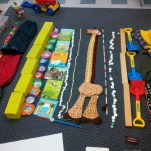 objects: building blocks, popsicle sticks, snow pants, jackets, bottle caps, books, markers, etc. Students were so excited, they even suggested using me as a measuring tool. How could I say no to that? After a few chuckles and excited cheers, we sat
 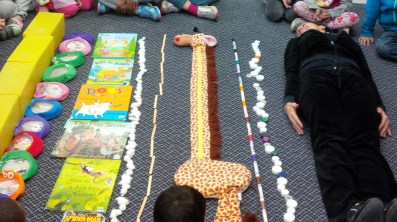 down to reflect on our findings, which ultimately led to another great inquiry question? Why did we need so many cotton balls yet such few blocks? How does the size of the measuring tool affect the measurement?









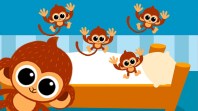
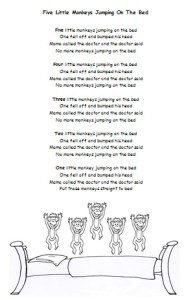 As I go through the story again (generally over the span of a few days), I take a moment after each verse to introduce a math fact or draw a composition of the monkeys in relation to the bed (i.e., 5 monkeys on the bed and 0 on the ground; 5 + 0 = 5). By the end of the story, we cover all the combinations of five. While we review the math facts, I draw their attention to the pattern that emerges (i.e., when the number of monkeys on the bed decreases the number of monkeys on the ground increases). For the rest of the week, I invite 5 different students each day to come up and re-enact the poem while we sing to it. We continue to review the math facts as we go along.
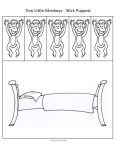 As an extension, and one that students really enjoy, I have students re-enact the story/song using stick puppets. They begin by colouring and cutting out a template of the bed and the 5 monkeys. Then they glue a popsicle stick to the back of each monkey and take turns re-enacting the story/song to a partner. By the end of the week, the stick puppets get sent home with a letter to parents.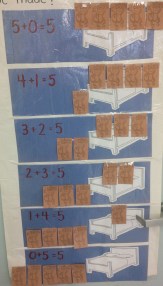
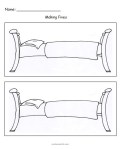 A great way to gage students’ understanding of the concept and evaluate their learning is to have them repeat this activity with bingo dabbers (one colour representing the monkeys on the bed, and another representing the ones on the ground). Each student gets 6 bed templates and uses two colour dabbers to show the various combinations the monkeys could be arranged (i.e., 3 dabs on the bed, 2 on the ground).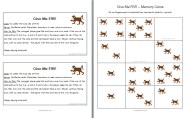
 Here is a card game I made to help students practice their facts to five and sharpen their memory skills while they’re at it. After introducing it as a whole class activity, I left it at the math station for students to play with during Centre time. I will be sending home a template of the game for families to assemble and enjoy during the March break as well.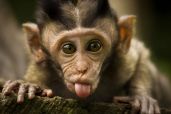

 Have a fabulous March break!
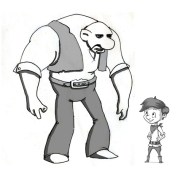 Happy Monday everyone. I’d like to share a poem I wrote a couple of years ago and plan to share with my students this week, as we begin exploring the concept of measurement. The Giant and I is a charming poem about a little boy who outsmarts a fearsome giant. It opens up a great discussion about the various ways the characters could be described (big, small, tall, short, heavy, light, wide, narrow, etc.) hence setting the stage for building the appropriate vocabulary for the unit. A follow-up activity is included, integrating concepts about size and shapes.
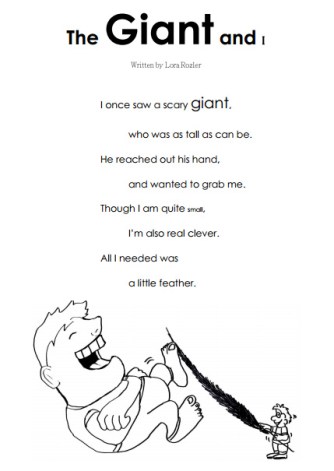 Click on the image of the giant to download a copy of the poem and worksheet for your personal use in the classroom.


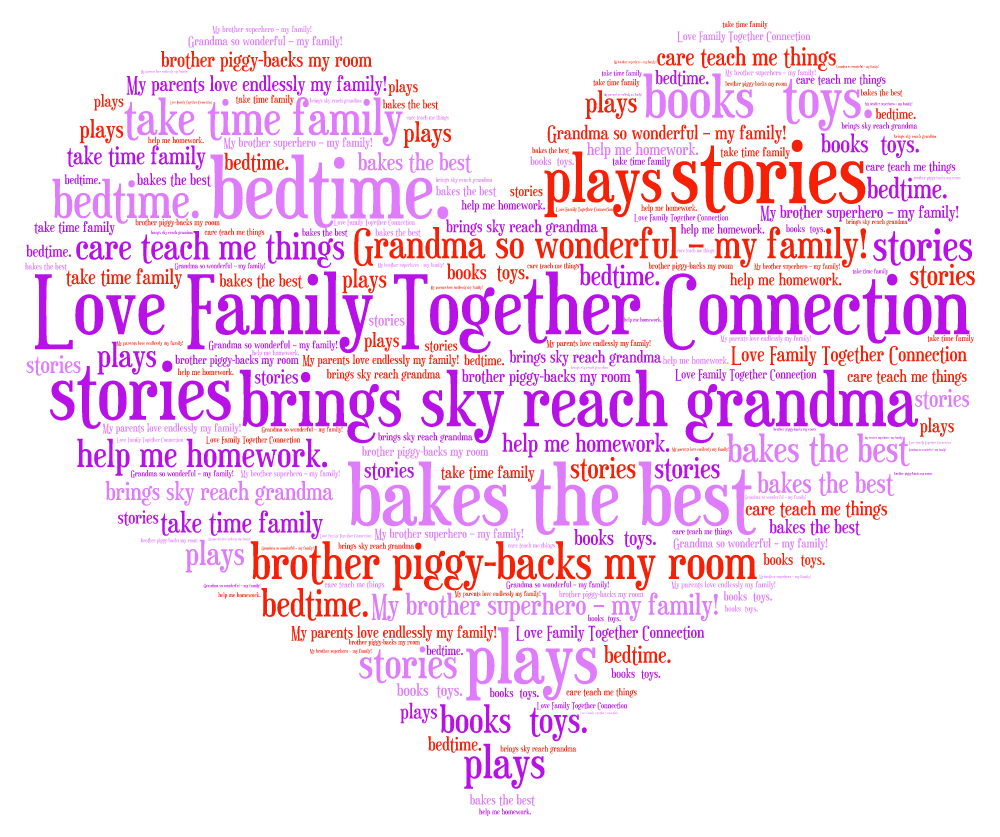

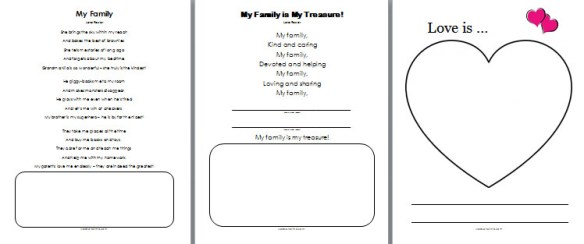
 He piggy-backs me to my room




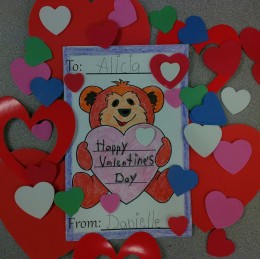


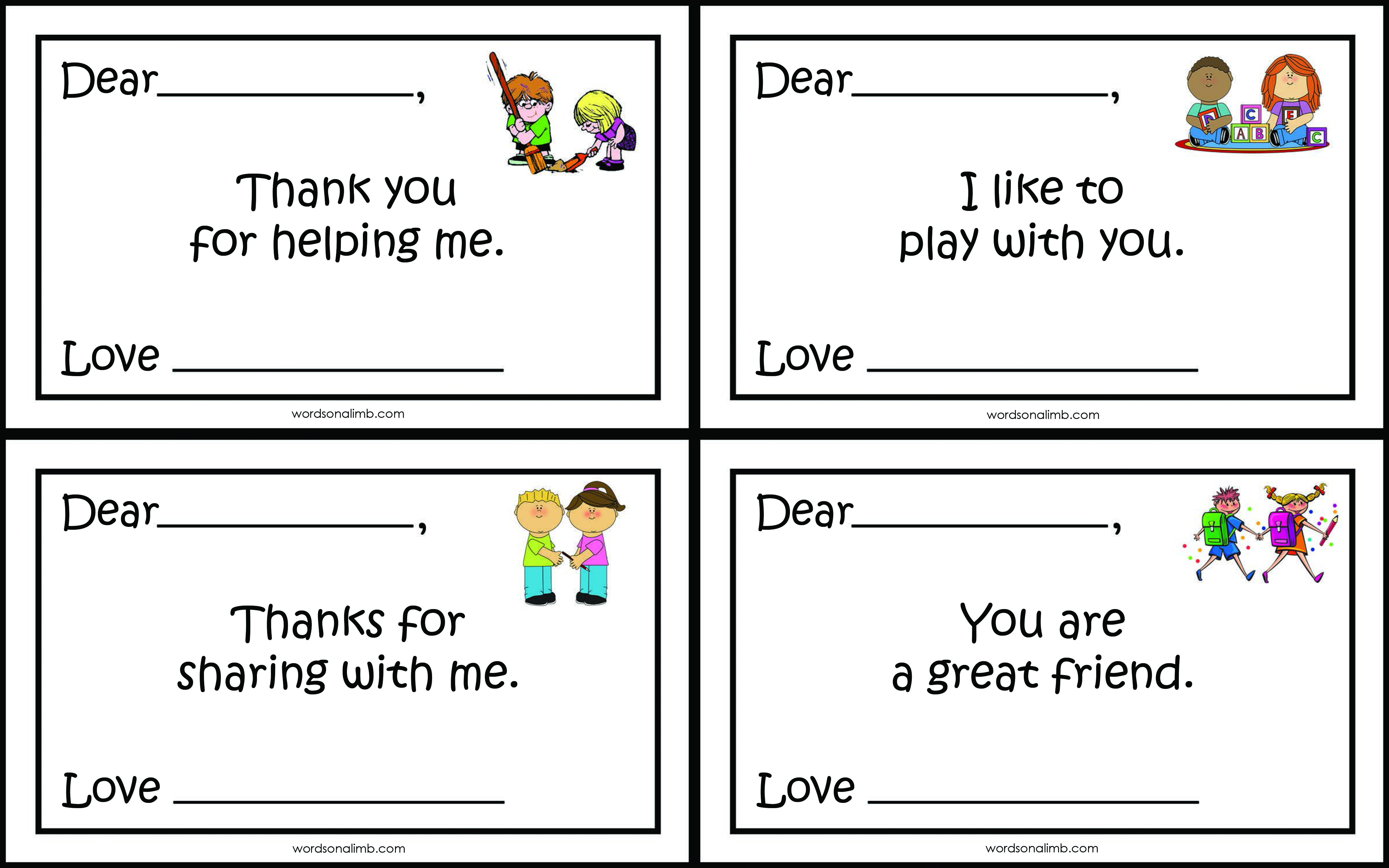

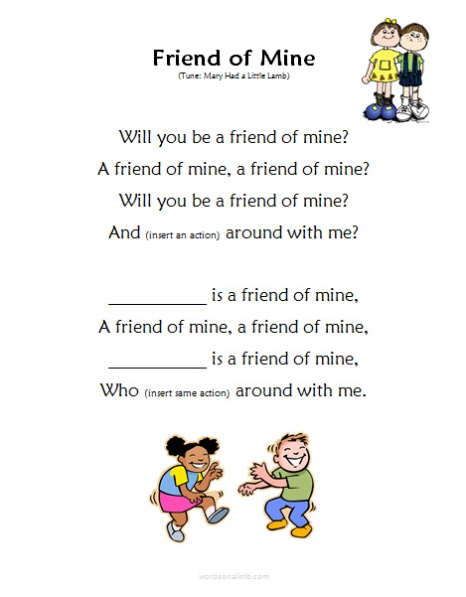


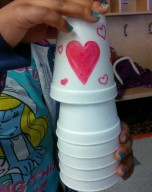
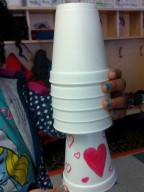 Upon signaling, the first player will begin stacking the cups, from top to bottom. The object of the game is to keep moving the cups from top to bottom until the ‘heart’ cup appears on top again, at which point they pass the stack to the next player and proceed to sit down at the back of the line. The first team to have all their players complete the task, wins the heart race!

 Distribute the hearts, one per child. Turn the music on and have students dance around the room . When the music stops, players need to stay in their spot and find a nearby match for their heart. They can stretch or bend to reach their matching heart but cannot move from their spot. Play the music again and continue.
 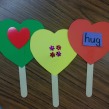 As a variation, or to add more of a challenge to the game, you can also write sight words (or Valentine theme words) and add images to the hearts. This way, not only can colours make a match, but words and pictures as well (either both or else one or the other).




 One look out the window on most winter days and your first instinct is to crawl right back into bed and curl up like a ball. But as cozy as that sounds, its not always an option.
 Peek-a-Boo, Why Don’t I See You – Animals in Winter, is a poem I wrote to help children understand how various animals cope during the winter. It introduces the concepts of hibernation, migration and adaptation.
 A fun and memorable way to acquaint students with the vocabulary is to form associations with them. (If you enjoy acting every now and then, this is a good time to show off those skills). I began by telling my students that I have a team of ‘scientists’ that will be working with us. I told them that my name was Bernate and asked them to wave and say hi to me, (hence hi-Bernate). Then I pretended to fall asleep (hibernating teacher). They seemed perplexed at first, but smiled when they understood what I was doing. Next, I introduced my pretend assistant named Grate (an invisible bird sitting on my hand) and gestured that he is only mine, (hence my-Grate). Then I pretended to catch him as he attempted to fly away (migrating assistant). Finally, I added our last participant to the mix – a very furry fox named Apt, (add-apt). There I had it, the terminology (and basic meaning) that students would need for the unit was now easily accessible with simple gestures as cues. (I can’t help but smile when I see my students mimicking the gestures I associated with the terms).

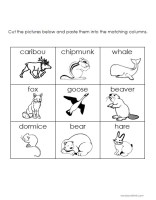
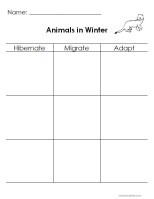 enjoyed reading many fiction and non-fiction books about Winter Animals, we have equally enjoyed filling a class chart on animals that hibernate, migrate and adapt. Though our list continues to grow each day, I selected various animals to be used in a follow-up sorting activity (sample here).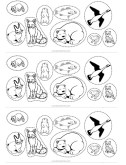
 Winter Wonderland
 Sleepy Bear Students use
 Words On A Limb