
Capturing Emotion Through Art
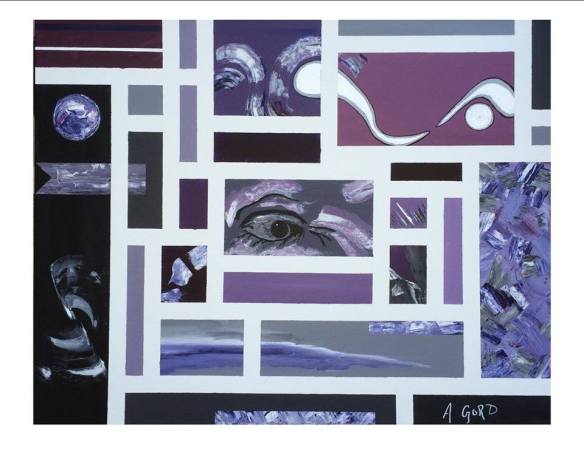
Writing Art by Al Gord
“Artists talk to themselves on canvas, mumbling scattered colors of emotion”
~Terri Guillemets
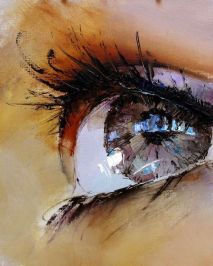 One of the most powerful things about an artist’s work is the emotion captured within the piece, invoked by the art or which inspires the product. Artists focus on areas of passion, topics that move them, subjects that inspire them and experiences and feelings that remain with them. Whether explicit or implicit, every artistic work represents some part of an artist. It is through the canvas where I share my innermost feelings and where my passions come to life for others to see.
At first glance, the viewer may be struck by the style of the piece or the imagery of the work. Sometimes that is all that is needed to get the meaning of a piece, that is, the intent behind the artist’s work. But what of the works that are not as obvious? How does one make meaning or begin to understand what the artist might be experiencing or in my case what the painter hopes to convey?
In my work emotion is expressed through the people; their body language, the position of their figures and the expression on their faces, but the feelings intended to be conveyed are also expressed through the background. In examining the piece below I invite you to move beyond the obvious. I carefully choose the pose, the title (taken from song lyrics) and the colours to create a specific mood. I challenge you to look past the music icon himself and the intensity on his face. Instead, I invite you to reflect on the colours chosen, the layout of the background, and the use of lines and abstract techniques. What emotion does this stir up in you? What do you think I was feeling as I created this piece?
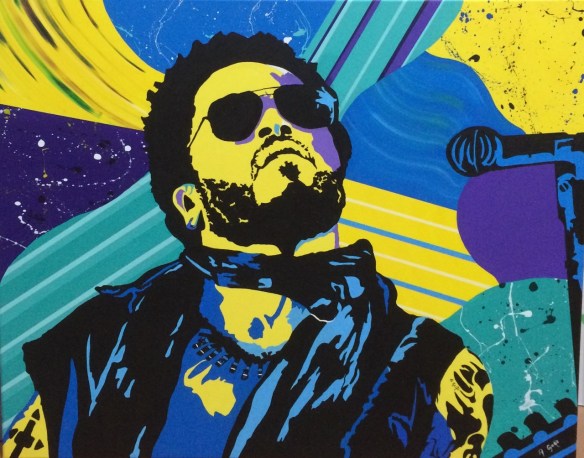
“I am the Chosen, I’m the One”
Portrait of Lenny Kravitz
Next time you have a chance to look at various works of art – look a little deeper! Consider what you think the artist is trying to say, trying to share, wanting you to feel. While he or she has an intended purpose, the connection you make with the piece influences your emotional response; something which is unique to you. That is why each individual is drawn to certain artists and to certain works; the underlying emotional connection, realized or not, that the viewer forms with the art and the artist.
 Al Gord is an up and coming artist who uses abstract techniques with figurativism to create Modern Romantic (Uninhibited) Expressionist pieces and Rock Icon Portraitures. He also creates pieces which focus on mental health awareness and advocacy. Regardless of the subject matter his signature style is clearly recognizable. His work is showcased on Twitter, Instagram and Facebook, where he welcomes inquiries, questions, and feedback.




 Art has always been an important aspect of my life, at times acting as a medium for self-expression and other times feeding a need for creative exploration. The beauty of art is the freedom it allows us to be completely ourselves, free of social constraints, insecurities, rules, etiquette; a freedom that is often not ours when communicating with words. There is a definite degree of rawness that comes with this kind of silent poetry, especially when we invite the world into this personal space.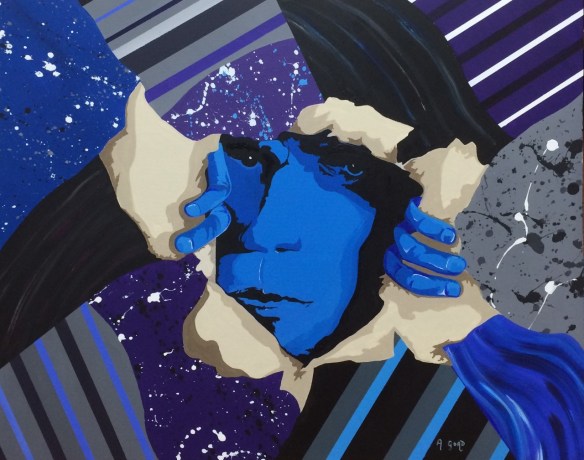


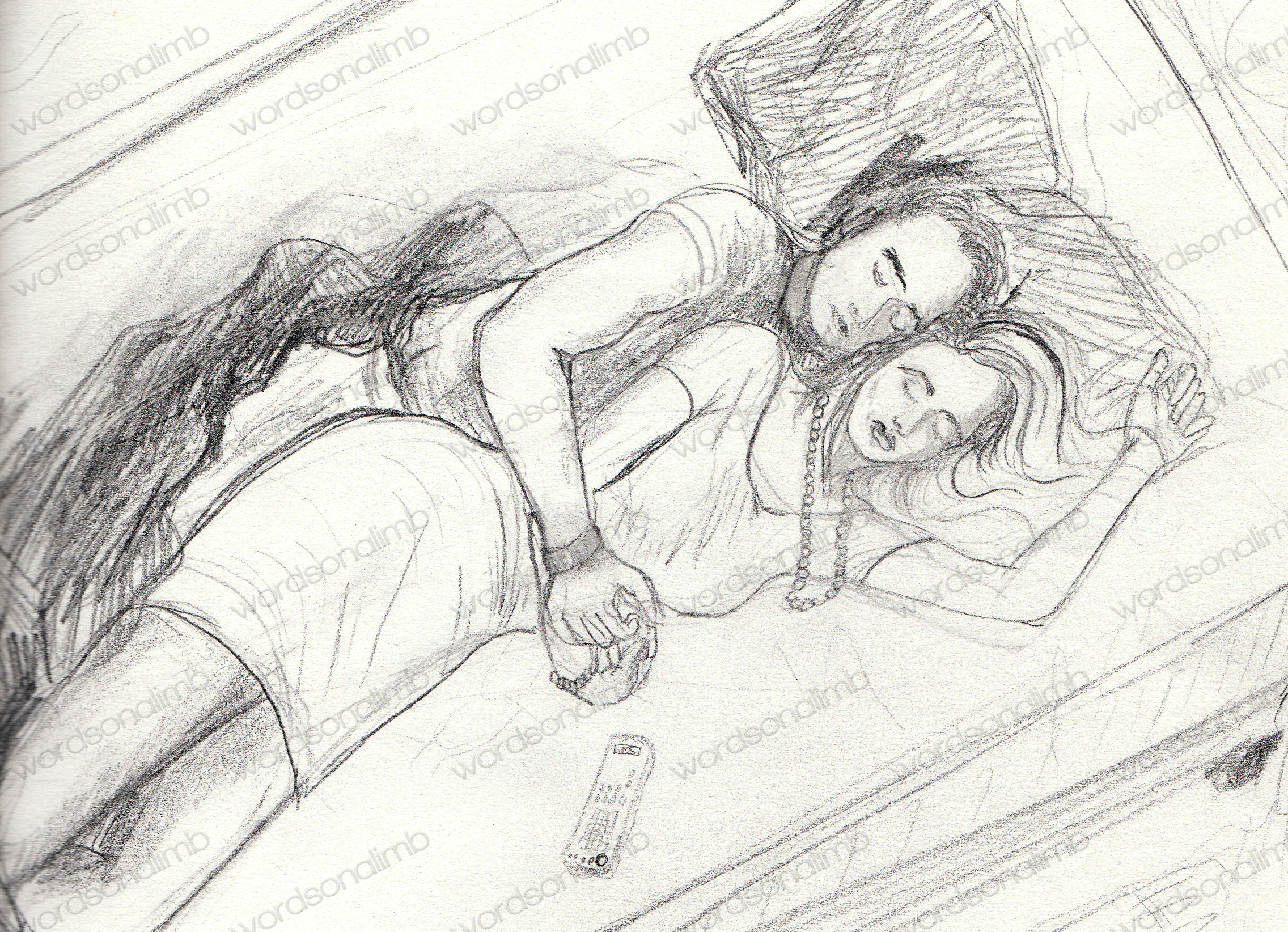
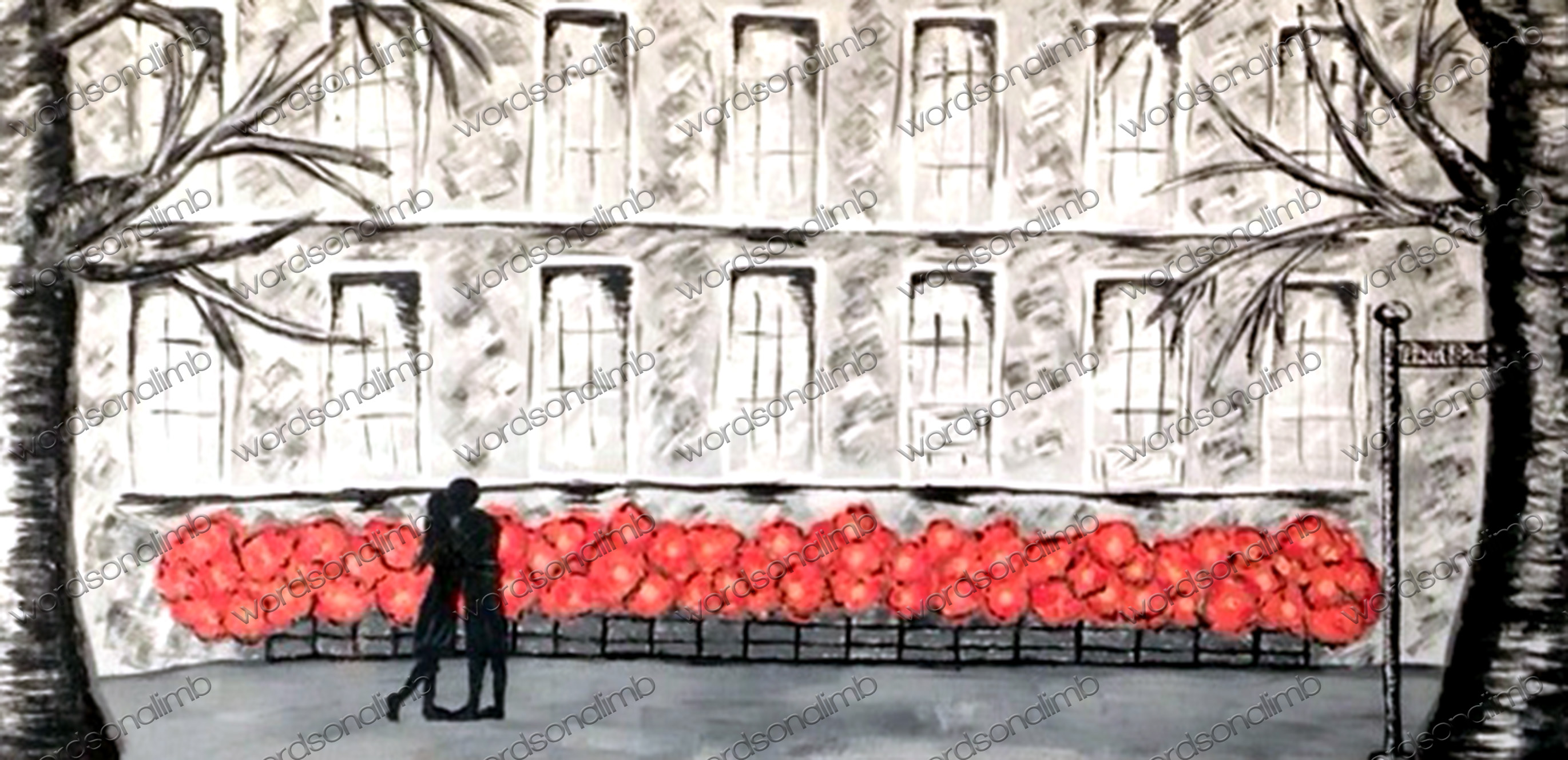
 Hello everyone and welcome back to Words on Art, where we invite artists and writers to collaborate and creatively blend brush strokes with words. We would like to thank Jessica for her successful writing submission, Sweet Oranges, chosen to complement Al Gord’s painting, titled A Changing Perspective. We would love to hear your feedback on this creative blend. Feel free to share your thoughts in the reply box below. Thank you Al and Jessica.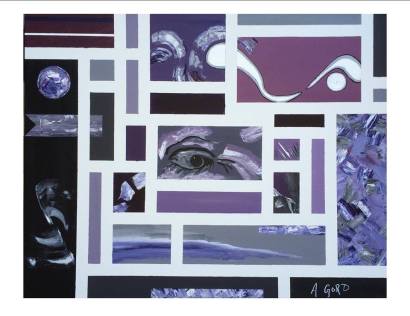

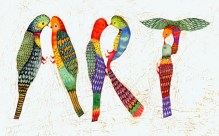
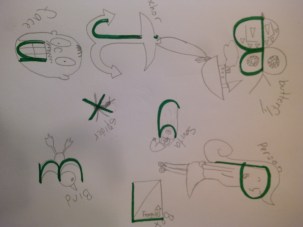
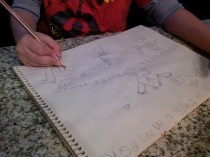
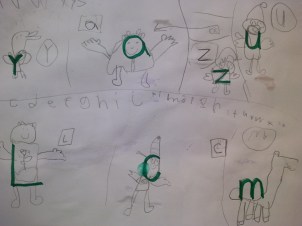
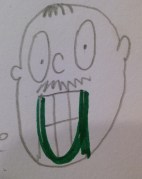
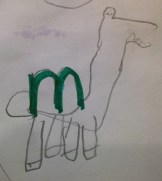
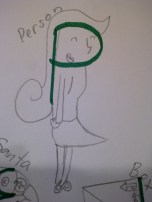
 Boredom Buster is a term my daughter recently coined for an activity I introduced her to while she was waiting for her brother to finish his lunch (I should mention that sledding was next on our agenda and so she was impatiently nudging our slow eater along). I drew a letter in her sketch pad and challenged her to turn it into a picture. Before long, her sketch pad was filled with dressed up letters. My son, who had been eagerly watching, asked to join in. With the promise of eating faster and multi-tasking efficiently, he set to the boredom buster as well (which by now was serving a different purpose entirely). Five minutes later, the lunch plate was empty but neither of them were in any rush to go sledding anymore (gotta love those moments).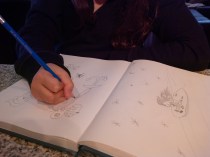


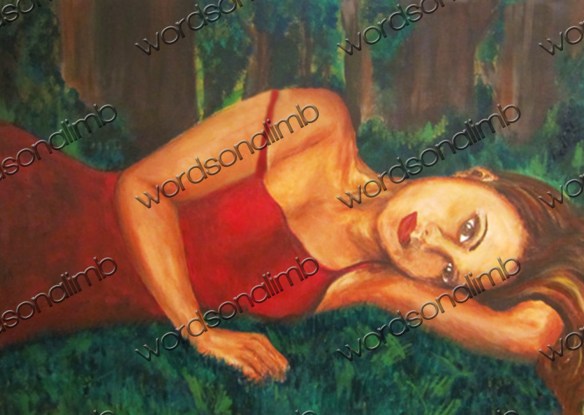
 Hello everyone and welcome back to Words on Art, where we invite artists and writers to collaborate and creatively blend brush strokes with words. We would like to thank Marc Mullo for his successful writing submission, Consumed Within, chosen to complement Emily Page’s untitled painting.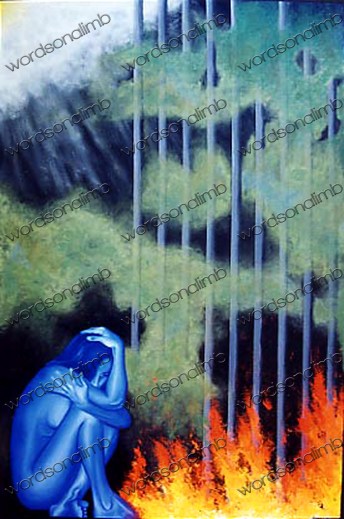




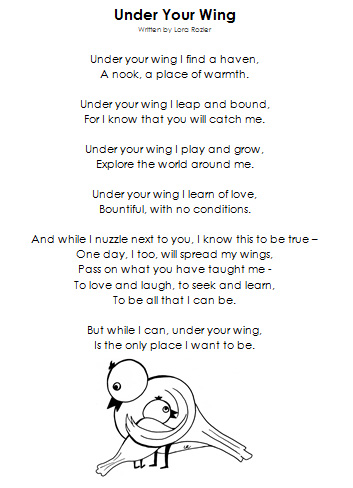




 Hello everyone and welcome back to Words on Art, where we invite artists and writers to collaborate and creatively blend brush strokes with words. We would like to thank Tammy for her successful writing submission, The Proposal, chosen to complement Jana’s painting, Peach and Bear. We would love to hear your feedback on this creative blend – please share your thoughts in the reply box in the bottom of the post. Thank you Jana and Tammy.
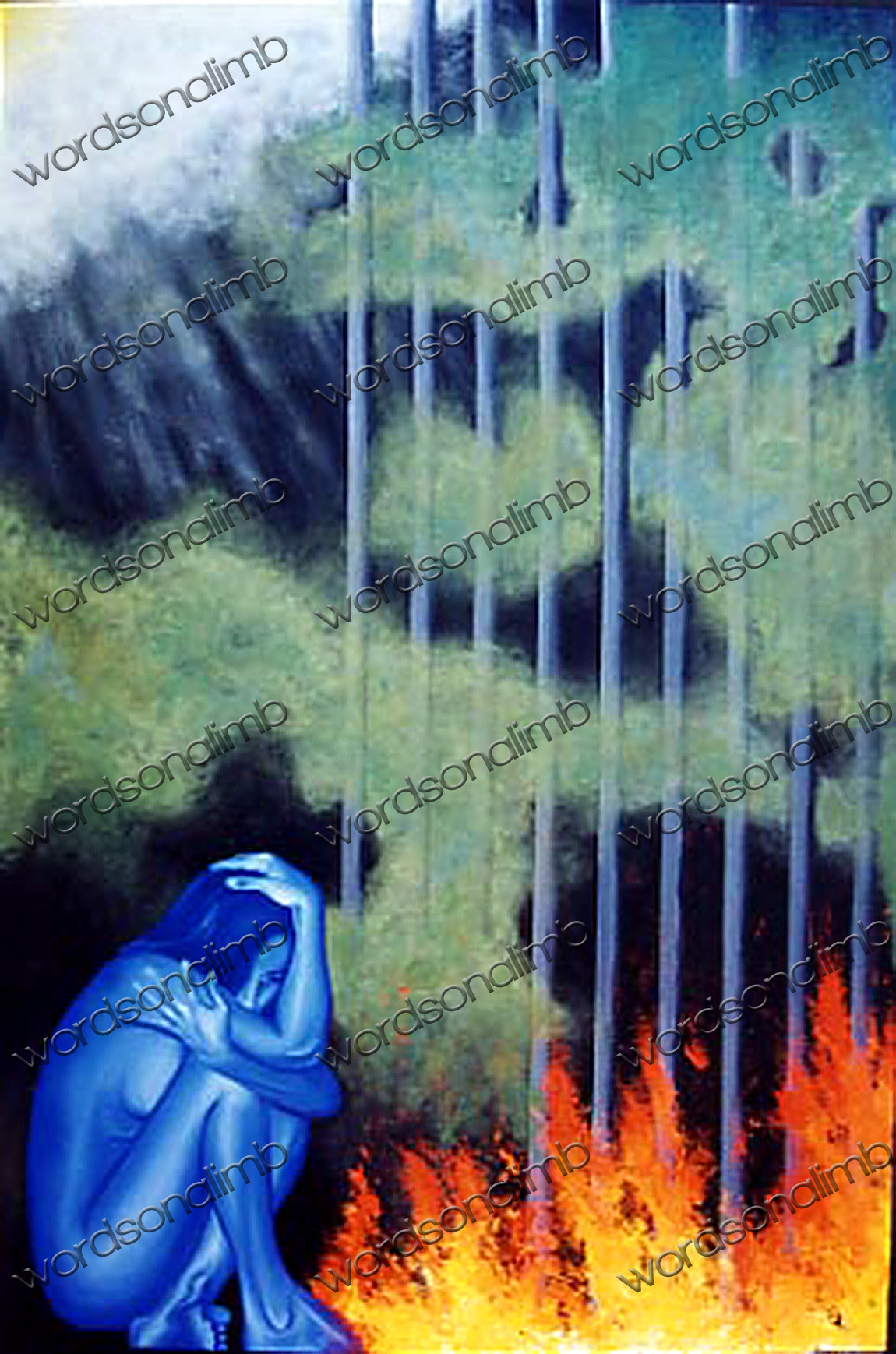





 One look out the window on most winter days and your first instinct is to crawl right back into bed and curl up like a ball. But as cozy as that sounds, its not always an option.
 Peek-a-Boo, Why Don’t I See You – Animals in Winter, is a poem I wrote to help children understand how various animals cope during the winter. It introduces the concepts of hibernation, migration and adaptation.
 A fun and memorable way to acquaint students with the vocabulary is to form associations with them. (If you enjoy acting every now and then, this is a good time to show off those skills). I began by telling my students that I have a team of ‘scientists’ that will be working with us. I told them that my name was Bernate and asked them to wave and say hi to me, (hence hi-Bernate). Then I pretended to fall asleep (hibernating teacher). They seemed perplexed at first, but smiled when they understood what I was doing. Next, I introduced my pretend assistant named Grate (an invisible bird sitting on my hand) and gestured that he is only mine, (hence my-Grate). Then I pretended to catch him as he attempted to fly away (migrating assistant). Finally, I added our last participant to the mix – a very furry fox named Apt, (add-apt). There I had it, the terminology (and basic meaning) that students would need for the unit was now easily accessible with simple gestures as cues. (I can’t help but smile when I see my students mimicking the gestures I associated with the terms).

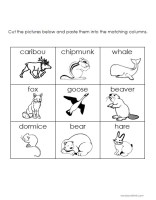
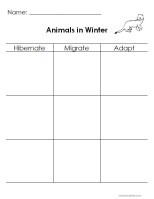 enjoyed reading many fiction and non-fiction books about Winter Animals, we have equally enjoyed filling a class chart on animals that hibernate, migrate and adapt. Though our list continues to grow each day, I selected various animals to be used in a follow-up sorting activity (sample here).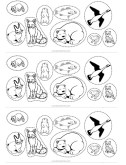
 Winter Wonderland
 Sleepy Bear Students use
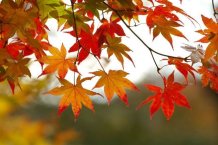
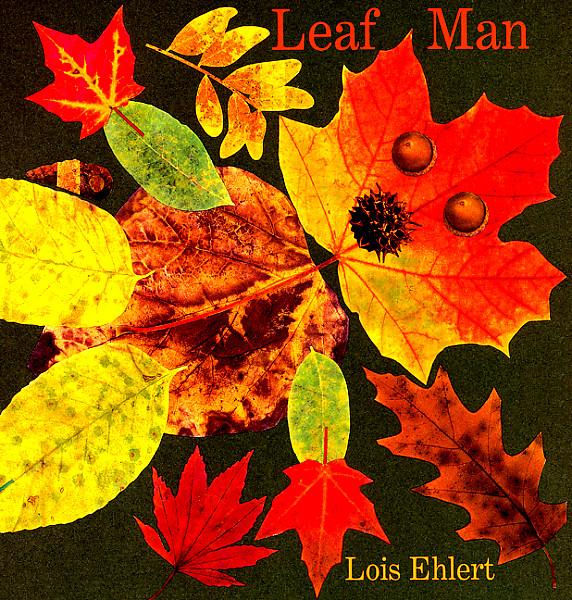
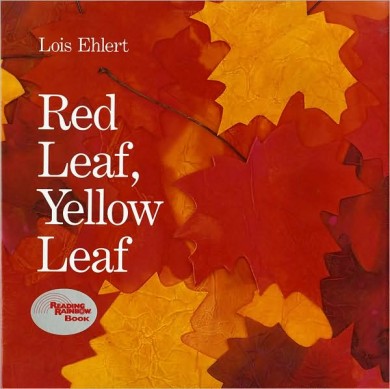
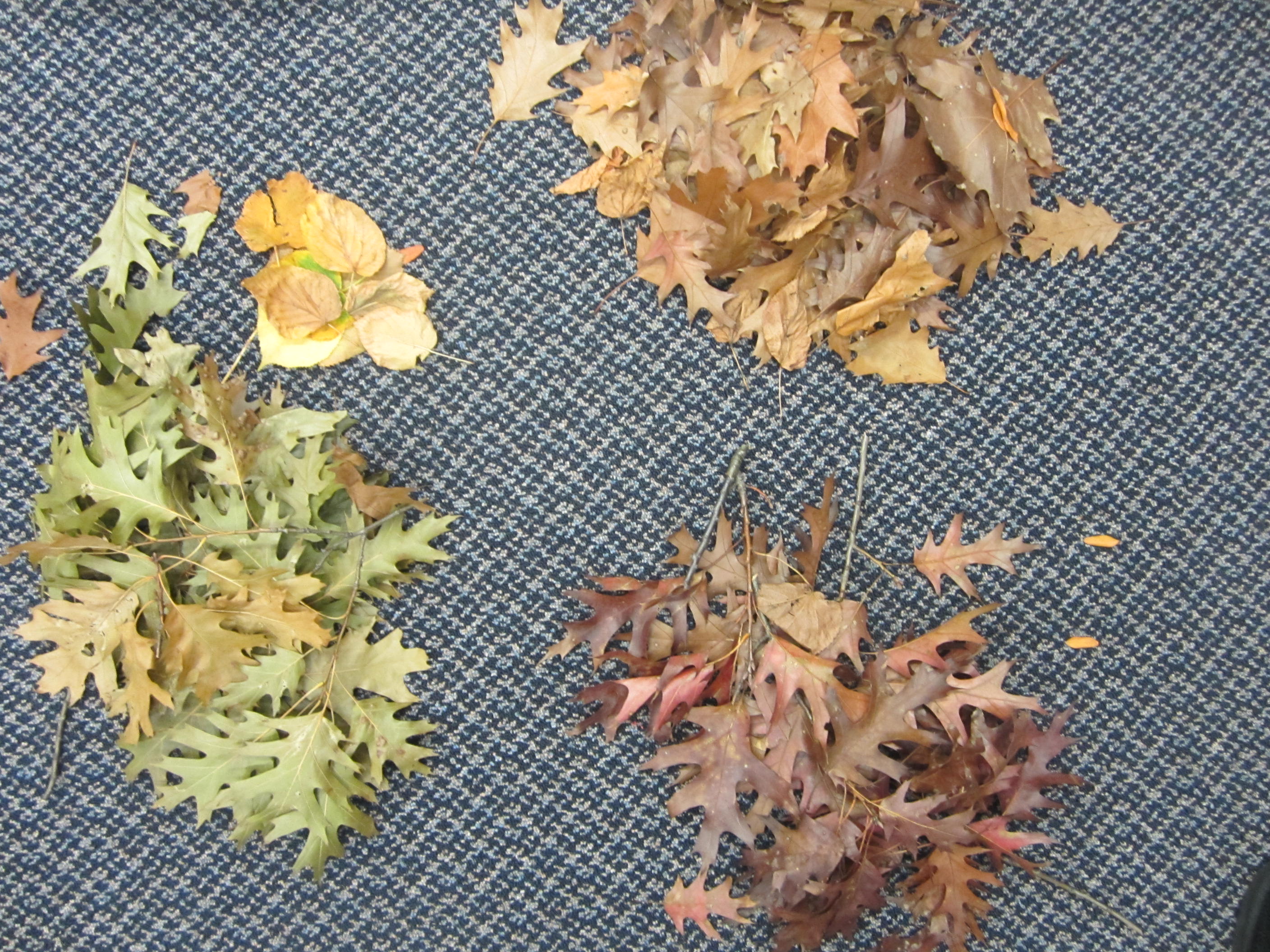
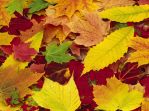 We began our exploration by taking an investigative walk around the school yard, looking for evidence of Fall. Among the many things we observed, students marveled at the beautiful, colourful leaves everywhere; leaves of different shape, size and colour.
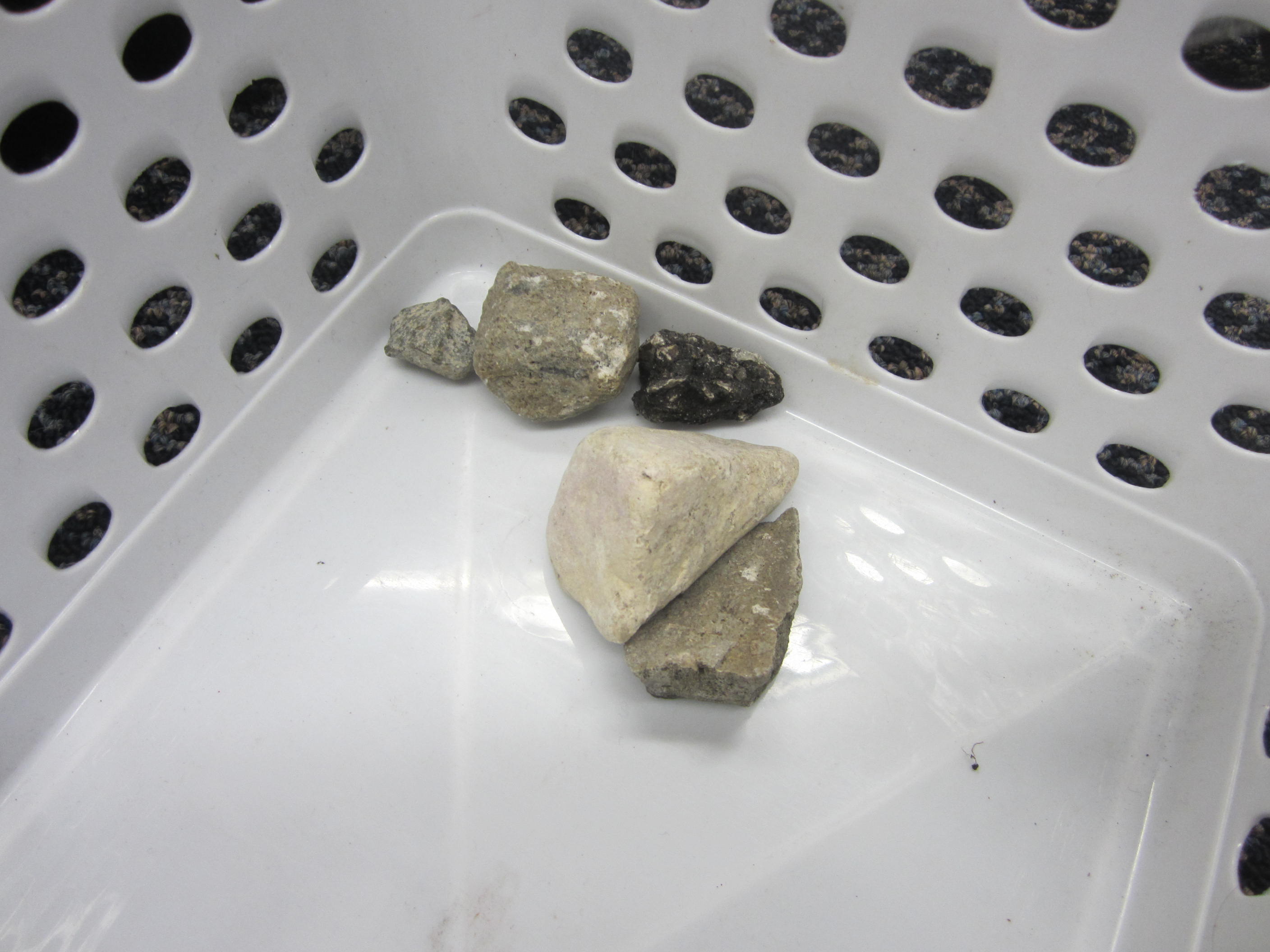
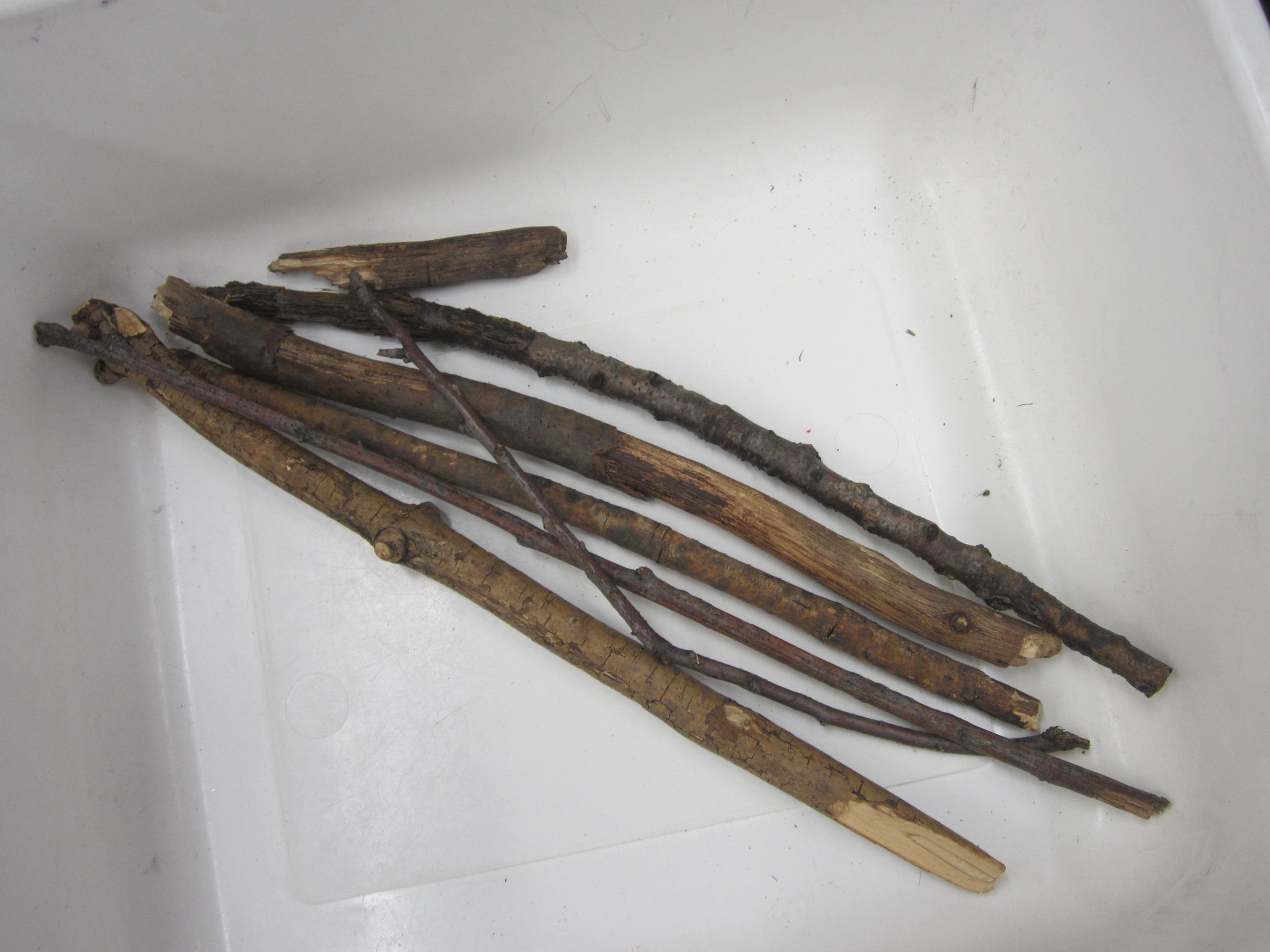
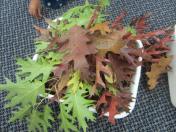 As with any great investigation, we had to gather specimens to bring back and explore further in our classroom – red leaves, yellow leaves, big leaves, little leaves, oak leaves, maple leaves, and what’s this – acorns, pine cones, flowers, twigs and rocks – all were welcomed.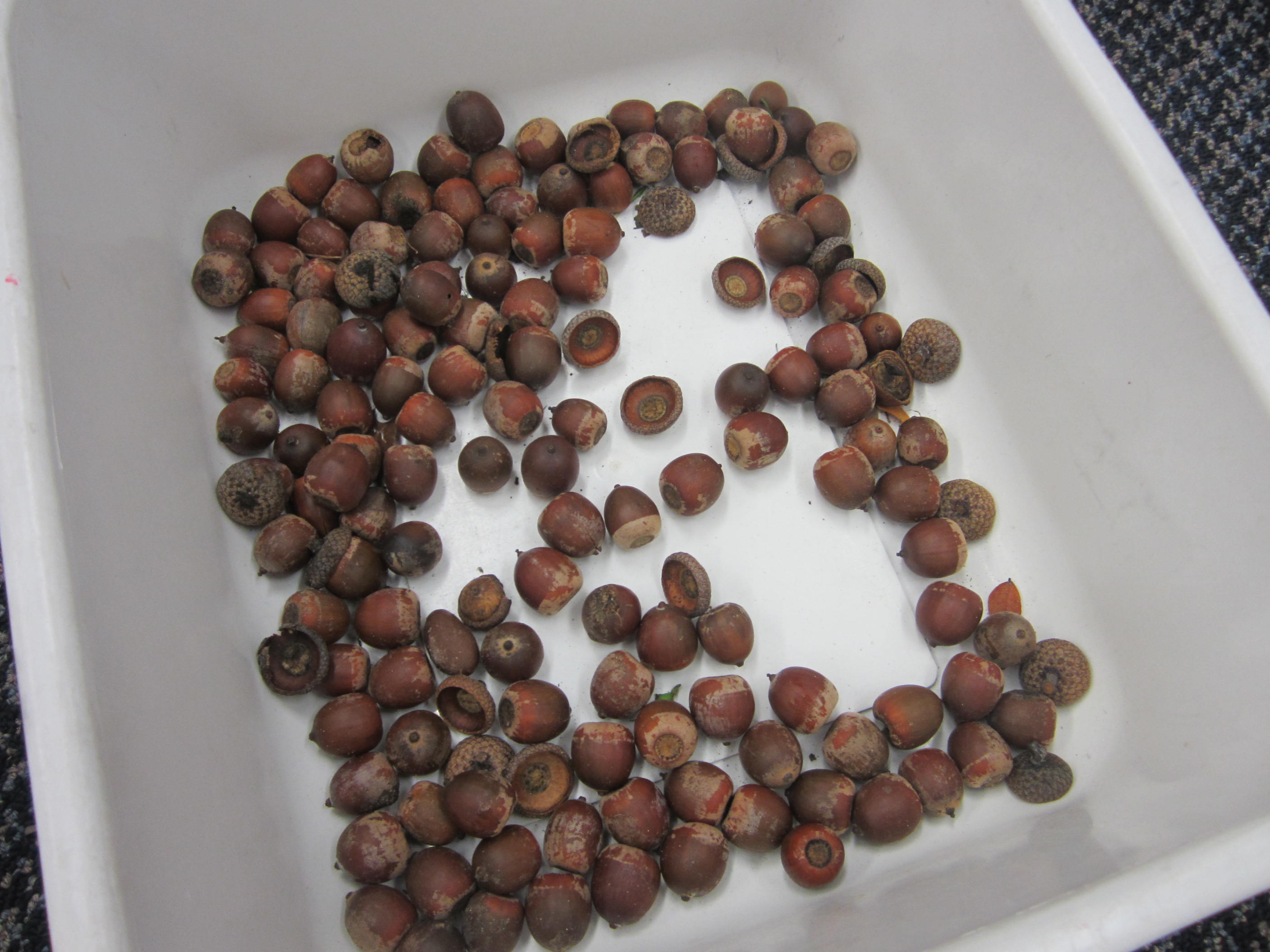

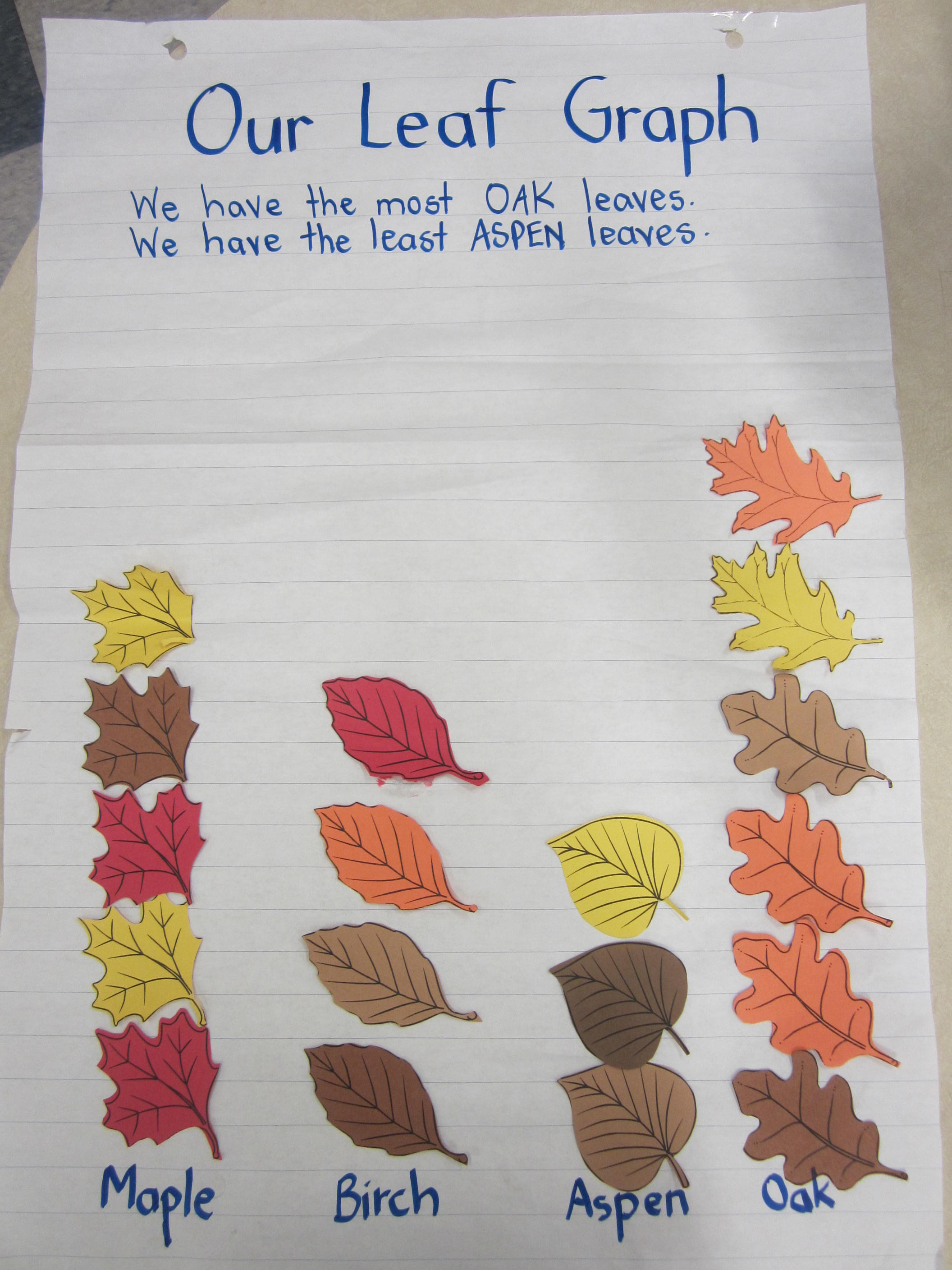
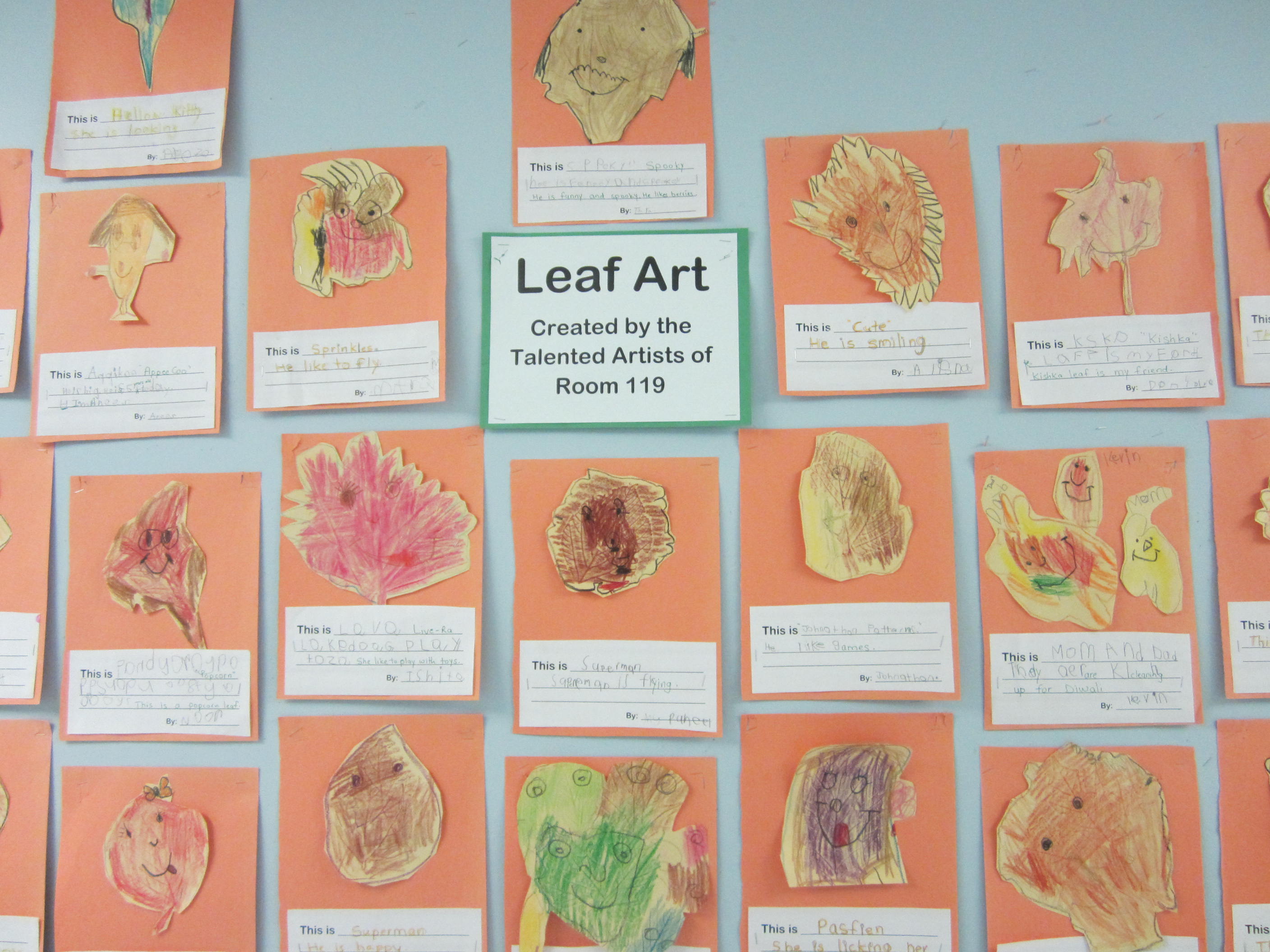
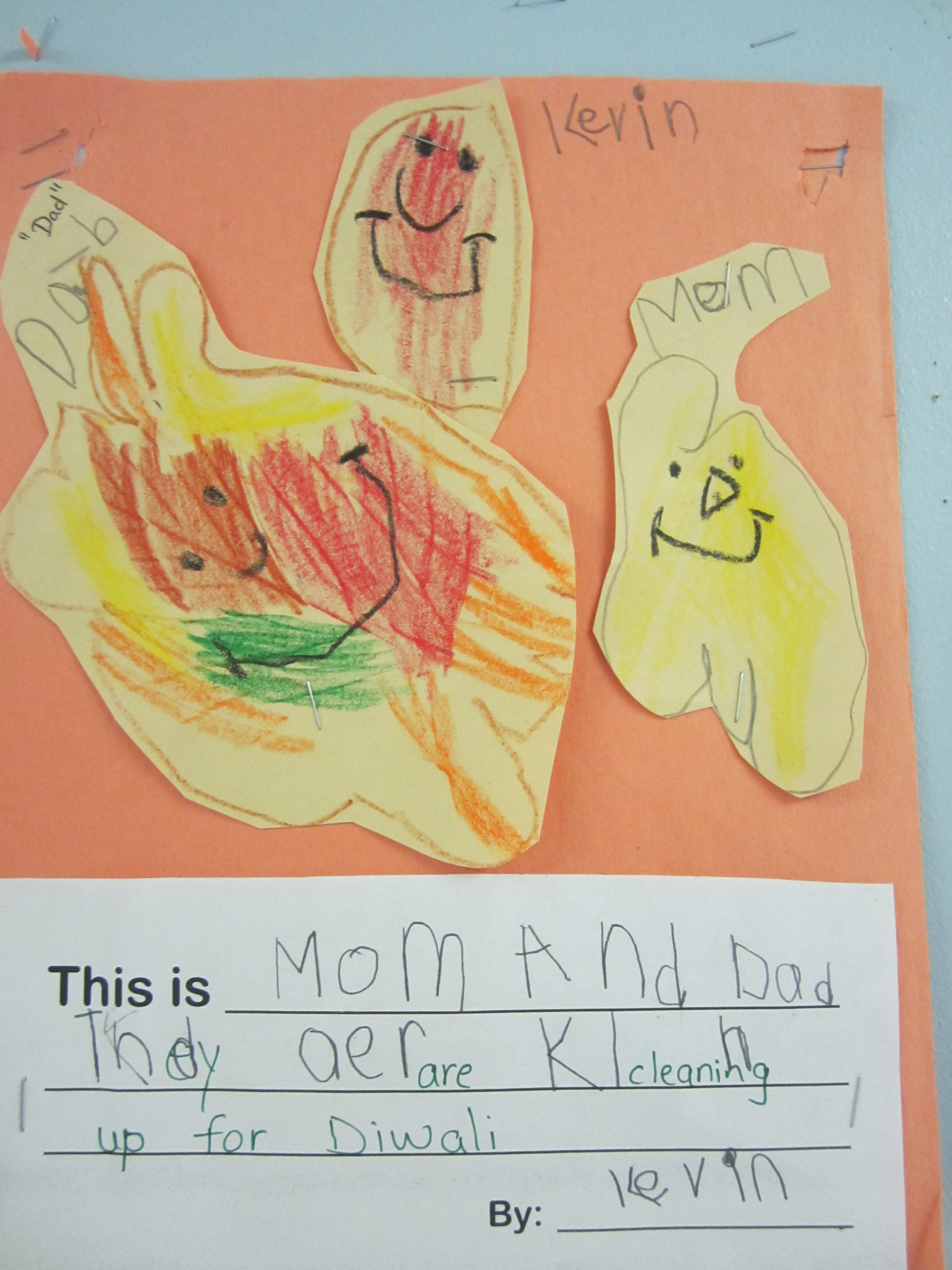
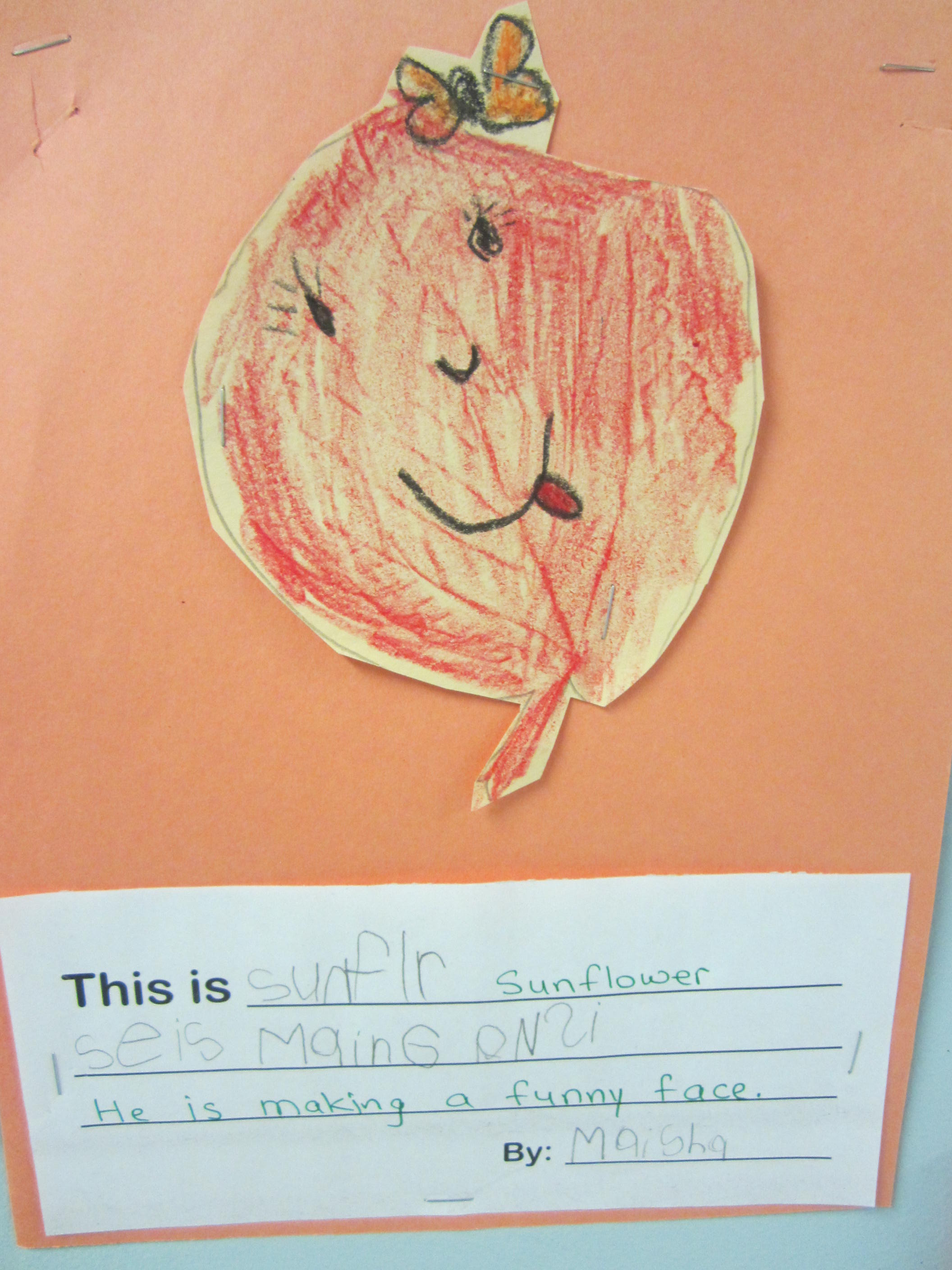
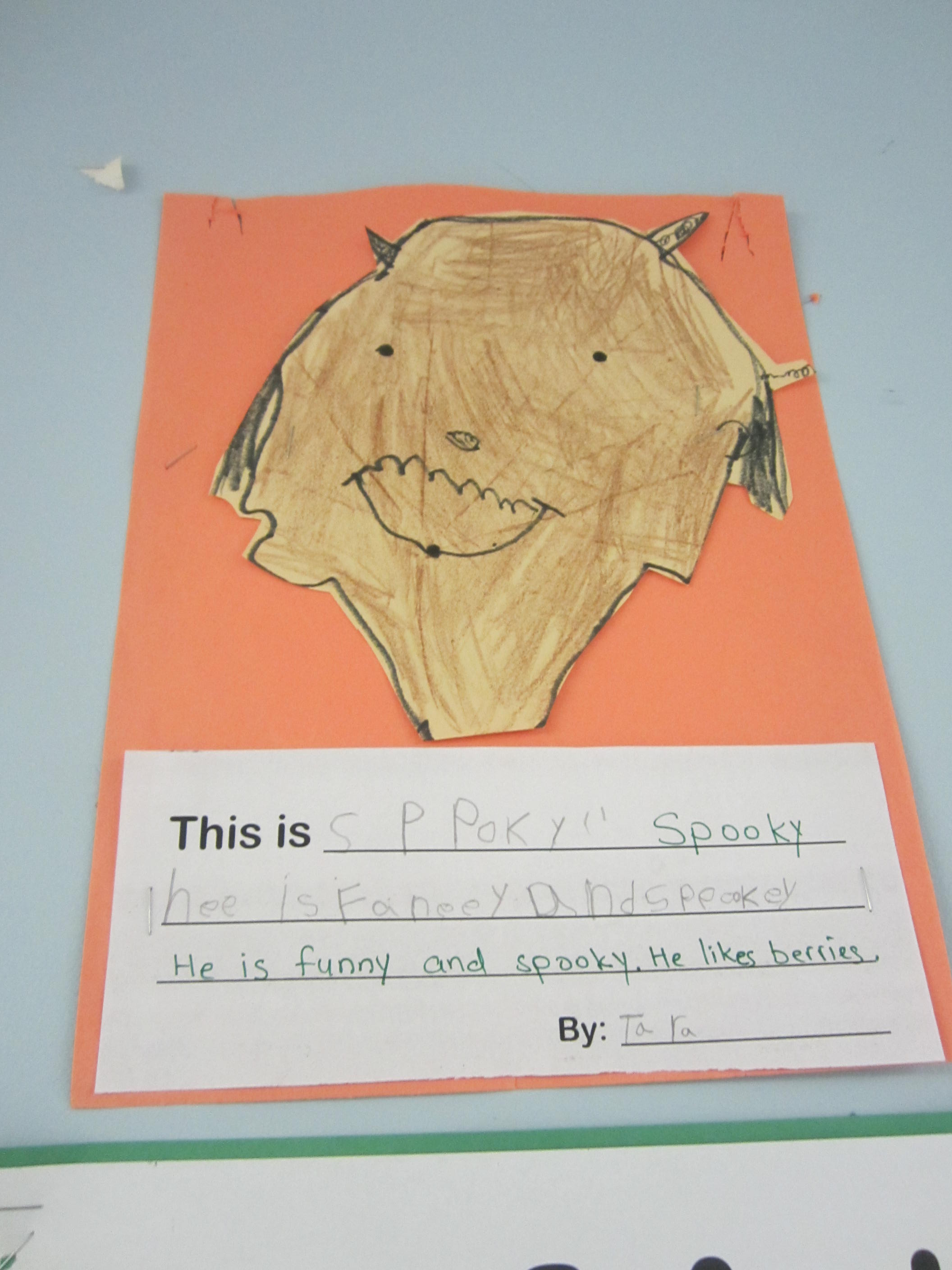
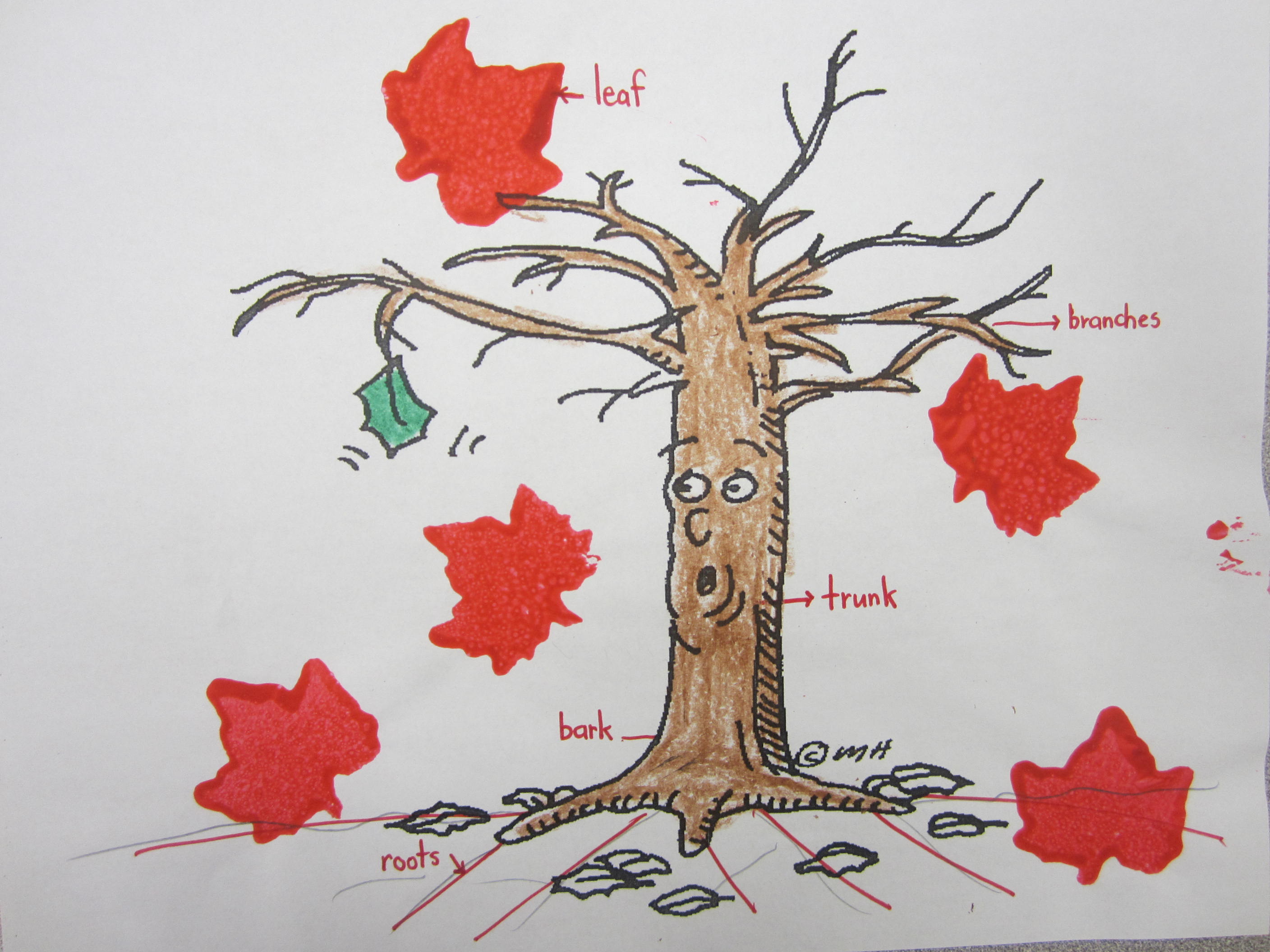
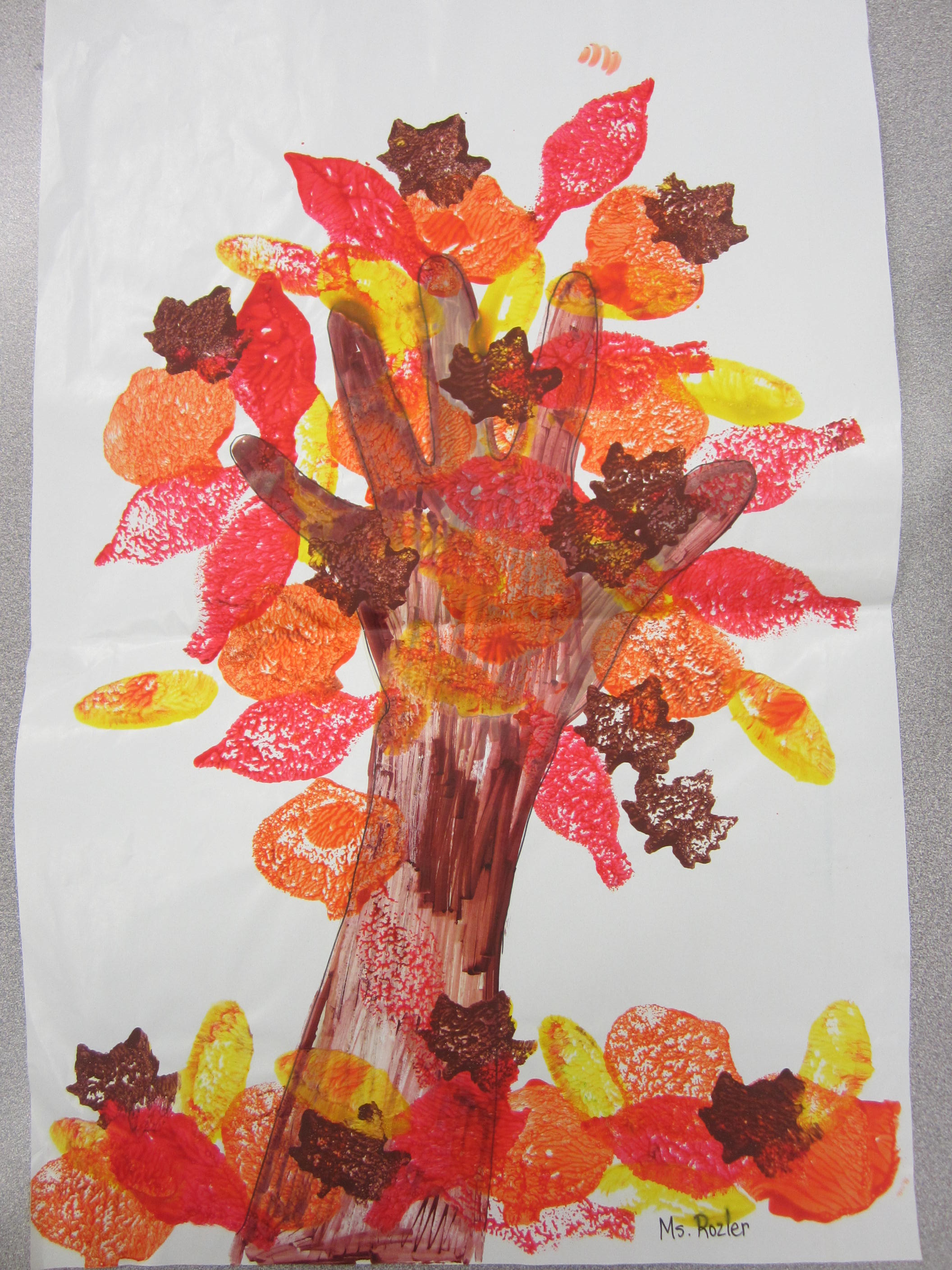
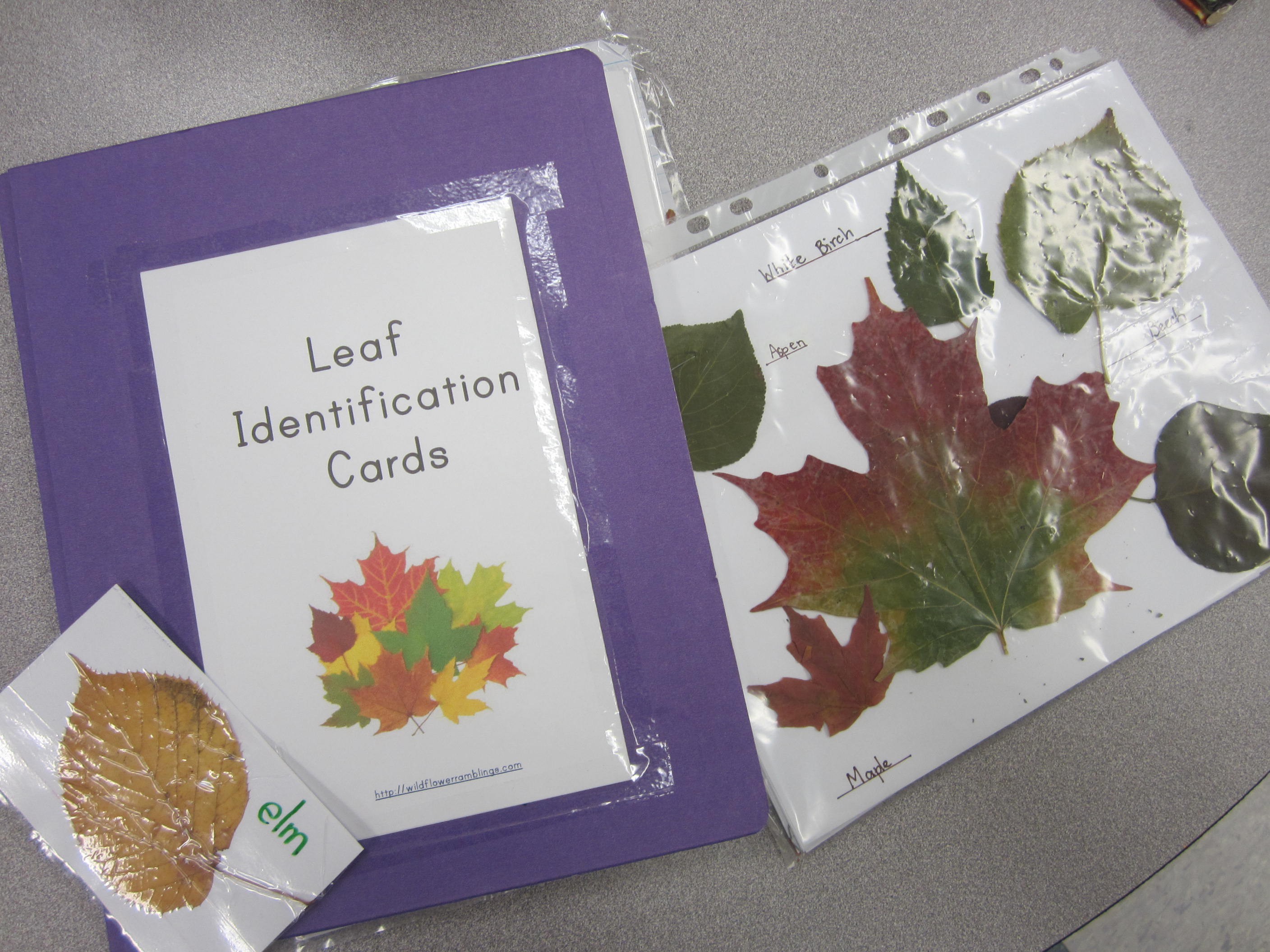
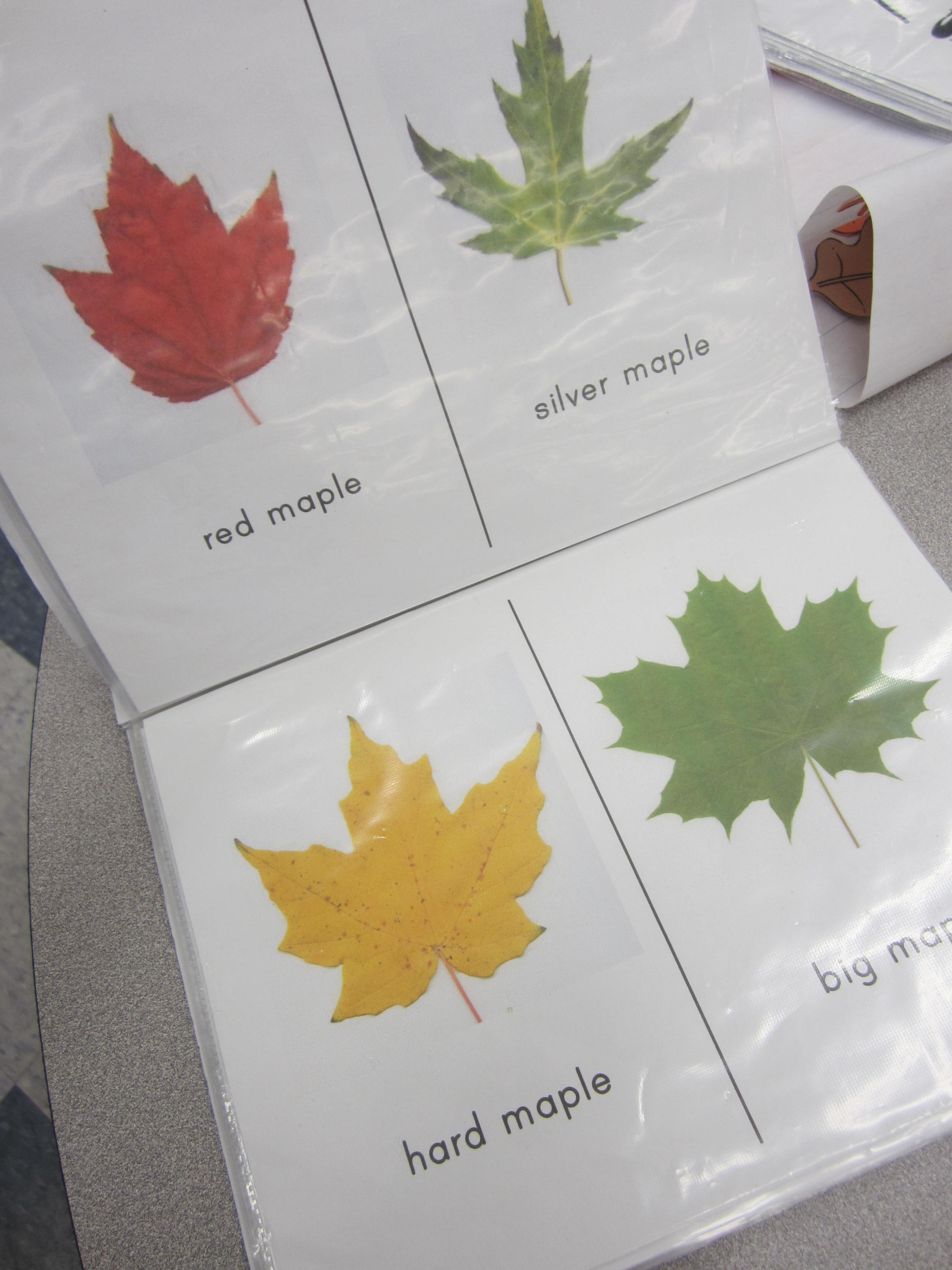
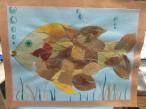 Though I generally have an overall sense of where I’d like an inquiry based opportunity to lead, I can never truly predict how vast or fruitful it will grow to be. It is the students’ curiosity and eagerness that determines the direction and range of learning. Regardless, I am always pleasantly surprised and excited to see where each inquiry will take us.


 Words On A Limb