 Roses, cards, chocolates, cookies, breakfast in bed, you-name-it, Mother’s Day sure brings out the sweetest in us. Celebrated on the second Sunday in May each year, Mother’s Day is a time to honour our one and only – our precious Mother (or a mother figure in our life).
I am sure I speak on behalf of many moms out there when I say the most precious gift we can receive on Mother’s Day is one that is especially handcrafted for us. As a teacher I keep this in mind as we set out to cut, glue and craft a personal treasure that Mom will want to keep around for a very long time (if not forever).
Below is a poem I wrote and plan to share with my students this week. Keeping in mind that not all children may have a mother in their life, I left the recipient open to include a figure that takes the place of a dominant caregiver, whether it be a grandmother, aunt, sister, etc.
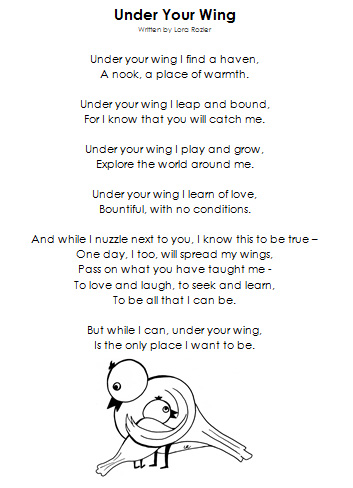

Under Your Wing by Lora Rozler is licensed under a Creative Commons Attribution-NonCommercial-NoDerivatives 4.0 International License.
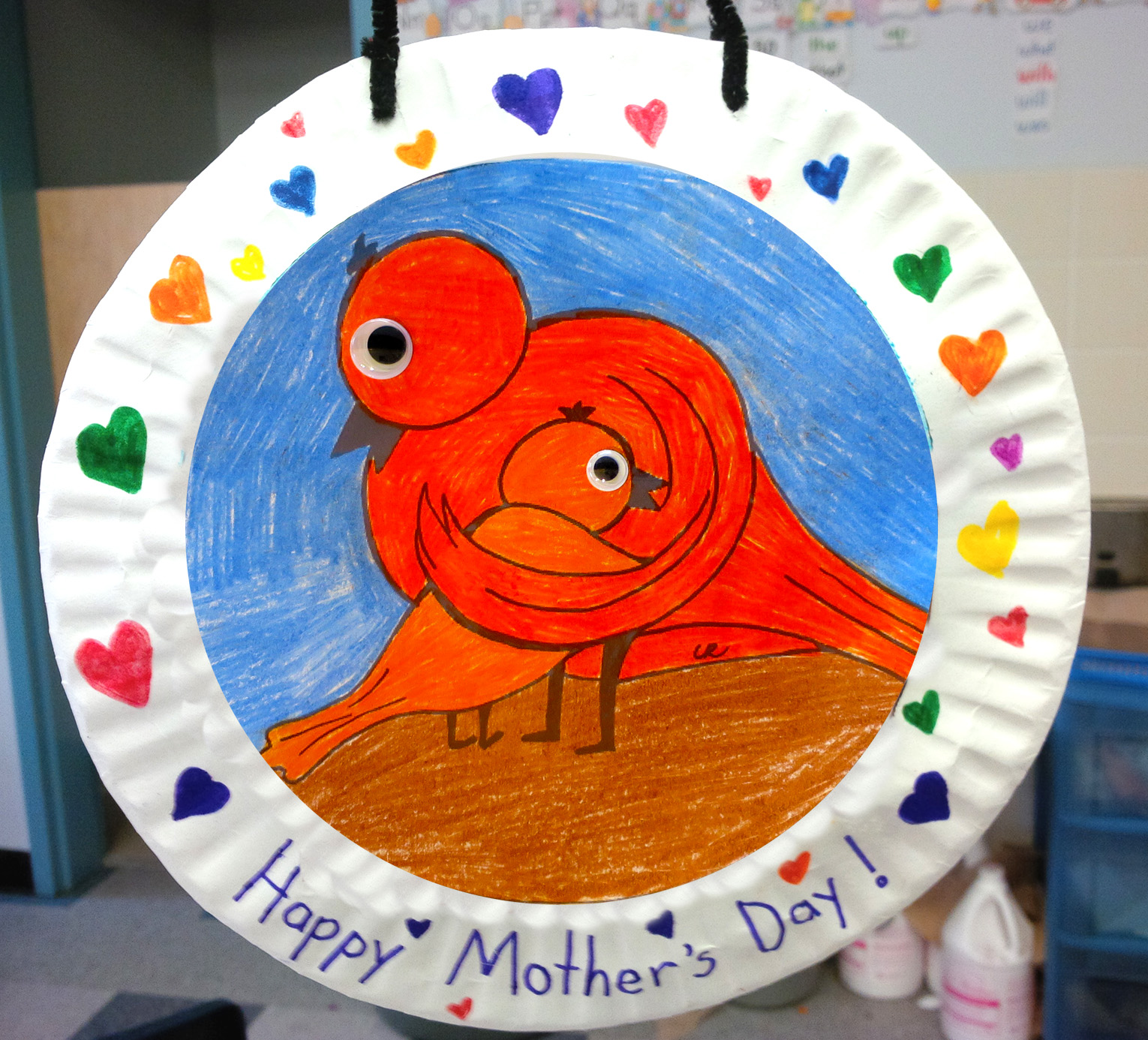
For this year’s Mother’s Day craft, my students will be making a mobile frame, with the theme of my latest poem in mind. Here is a sample of the finished product.
Mobile frame – Back side
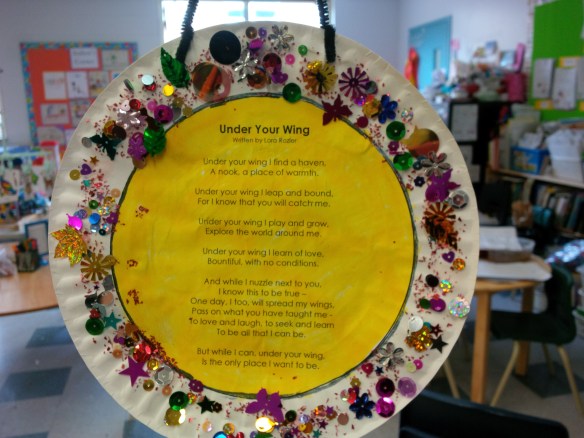
Front SIDE – option 1
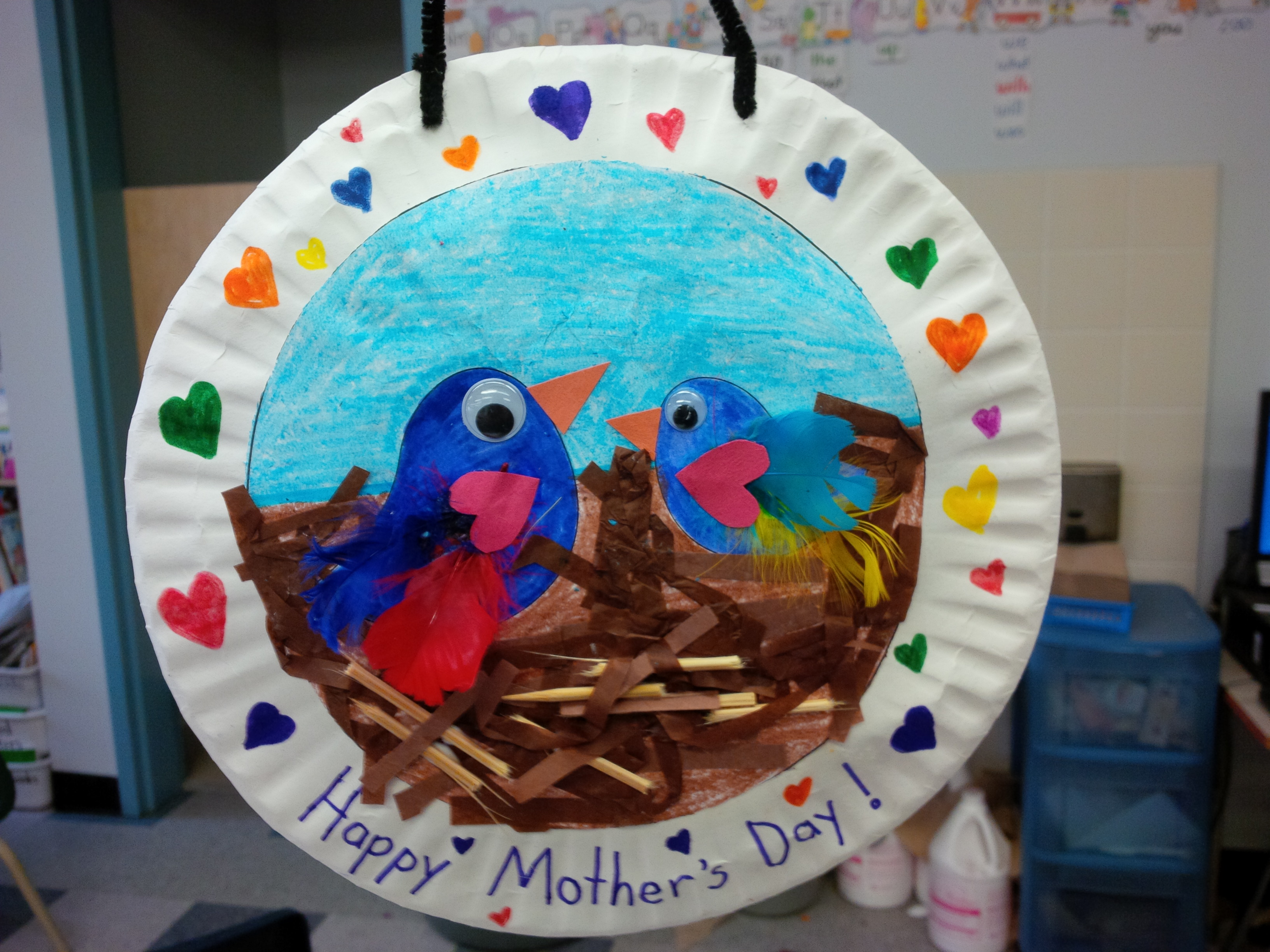
front side – option 2
To download a copy of the poem and the craft templates, for your personal use in the classroom, click on the heart image below.


Join my Facebook Community and stay in the loop when new teacher resources are available.
Thank you for your support!
Let the countdown and crafting begin!
Happy Mother’s Day!
Lora

 Hello everyone. I hope you had a restful March break and are excited about the week ahead. I’d like to share a poem I wrote a little while back titled,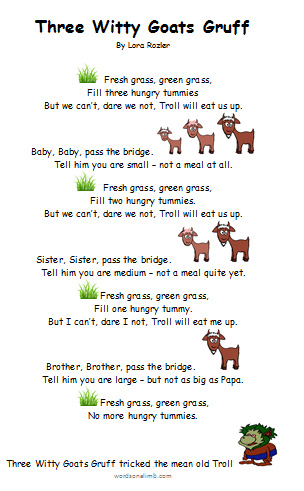

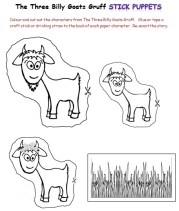 One of my students favourite follow-up activities was to re-enact the poem using stick puppets. It is a wonderful way for them to practise retelling the story and have fun while doing so. Some benefits of using stick puppets to teach literacy include strengthening oral vocabulary, acting in role, building comprehension, retelling a story in sequence, and recalling details.



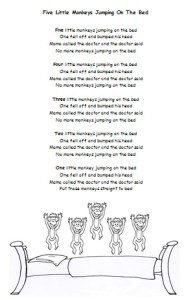 As I go through the story again (generally over the span of a few days), I take a moment after each verse to introduce a math fact or draw a composition of the monkeys in relation to the bed (i.e., 5 monkeys on the bed and 0 on the ground; 5 + 0 = 5). By the end of the story, we cover all the combinations of five. While we review the math facts, I draw their attention to the pattern that emerges (i.e., when the number of monkeys on the bed decreases the number of monkeys on the ground increases). For the rest of the week, I invite 5 different students each day to come up and re-enact the poem while we sing to it. We continue to review the math facts as we go along.
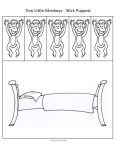 As an extension, and one that students really enjoy, I have students re-enact the story/song using stick puppets. They begin by colouring and cutting out a template of the bed and the 5 monkeys. Then they glue a popsicle stick to the back of each monkey and take turns re-enacting the story/song to a partner. By the end of the week, the stick puppets get sent home with a letter to parents.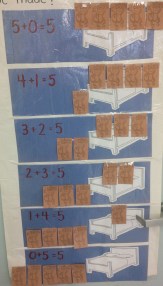
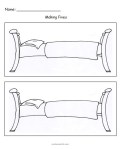 A great way to gage students’ understanding of the concept and evaluate their learning is to have them repeat this activity with bingo dabbers (one colour representing the monkeys on the bed, and another representing the ones on the ground). Each student gets 6 bed templates and uses two colour dabbers to show the various combinations the monkeys could be arranged (i.e., 3 dabs on the bed, 2 on the ground).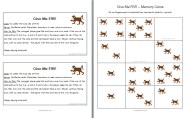
 Here is a card game I made to help students practice their facts to five and sharpen their memory skills while they’re at it. After introducing it as a whole class activity, I left it at the math station for students to play with during Centre time. I will be sending home a template of the game for families to assemble and enjoy during the March break as well.

 Have a fabulous March break!
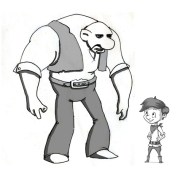 Happy Monday everyone. I’d like to share a poem I wrote a couple of years ago and plan to share with my students this week, as we begin exploring the concept of measurement. The Giant and I is a charming poem about a little boy who outsmarts a fearsome giant. It opens up a great discussion about the various ways the characters could be described (big, small, tall, short, heavy, light, wide, narrow, etc.) hence setting the stage for building the appropriate vocabulary for the unit. A follow-up activity is included, integrating concepts about size and shapes.
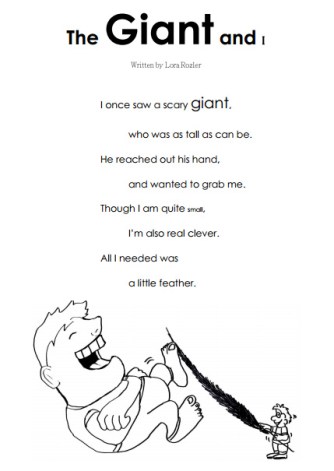 Click on the image of the giant to download a copy of the poem and worksheet for your personal use in the classroom.

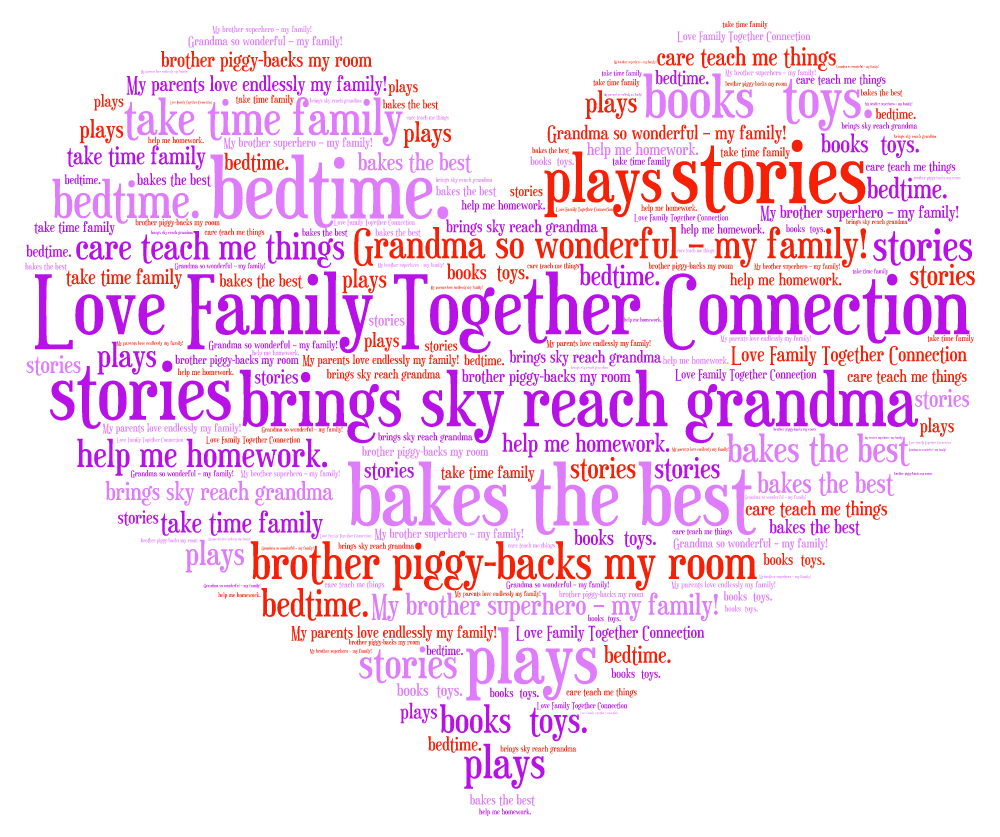

 He piggy-backs me to my room



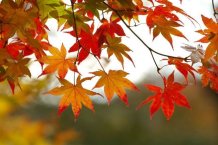
 We began our exploration by taking an investigative walk around the school yard, looking for evidence of Fall. Among the many things we observed, students marveled at the beautiful, colourful leaves everywhere; leaves of different shape, size and colour.
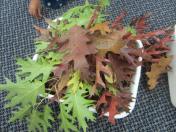 As with any great investigation, we had to gather specimens to bring back and explore further in our classroom – red leaves, yellow leaves, big leaves, little leaves, oak leaves, maple leaves, and what’s this – acorns, pine cones, flowers, twigs and rocks – all were welcomed.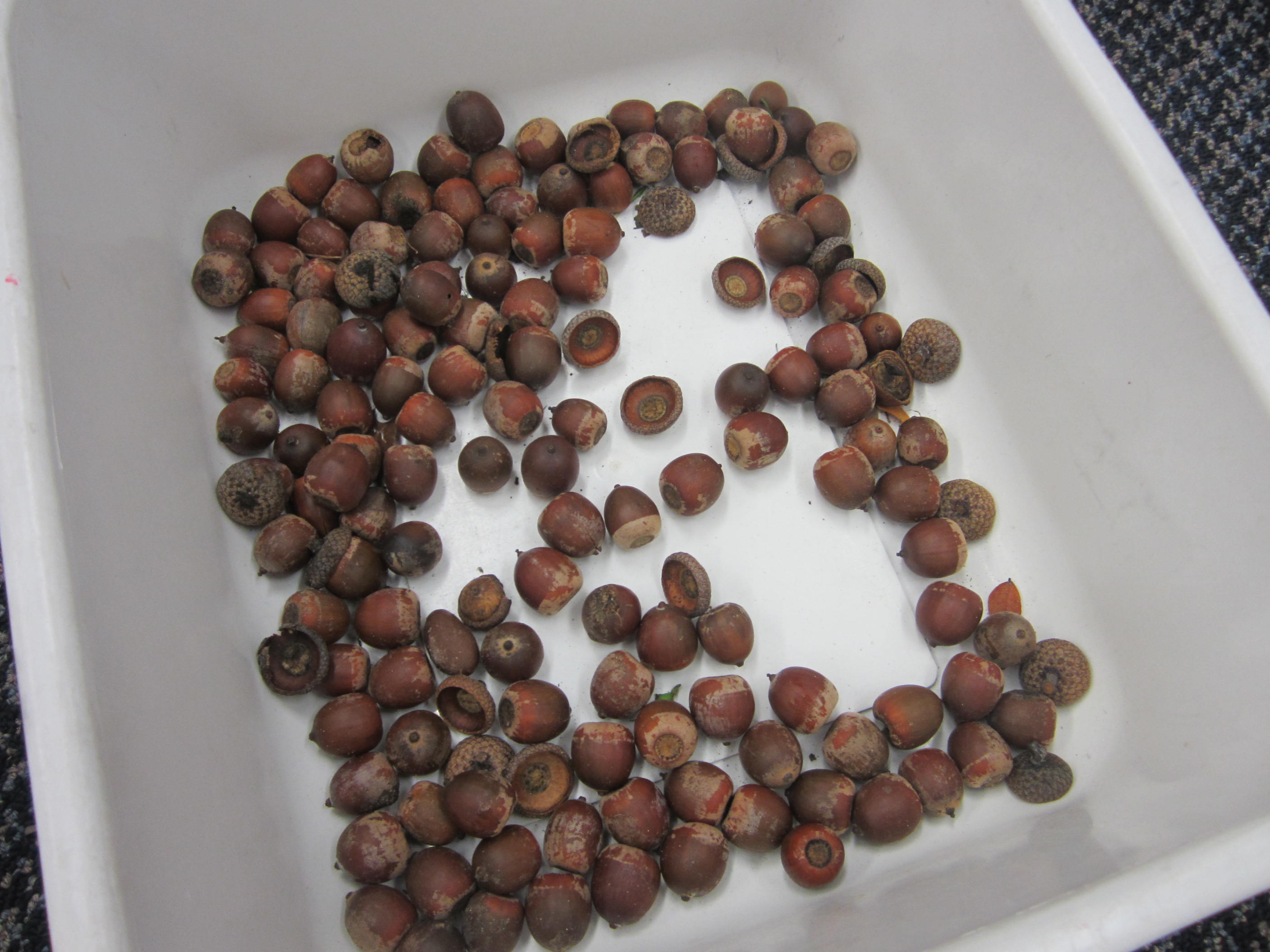
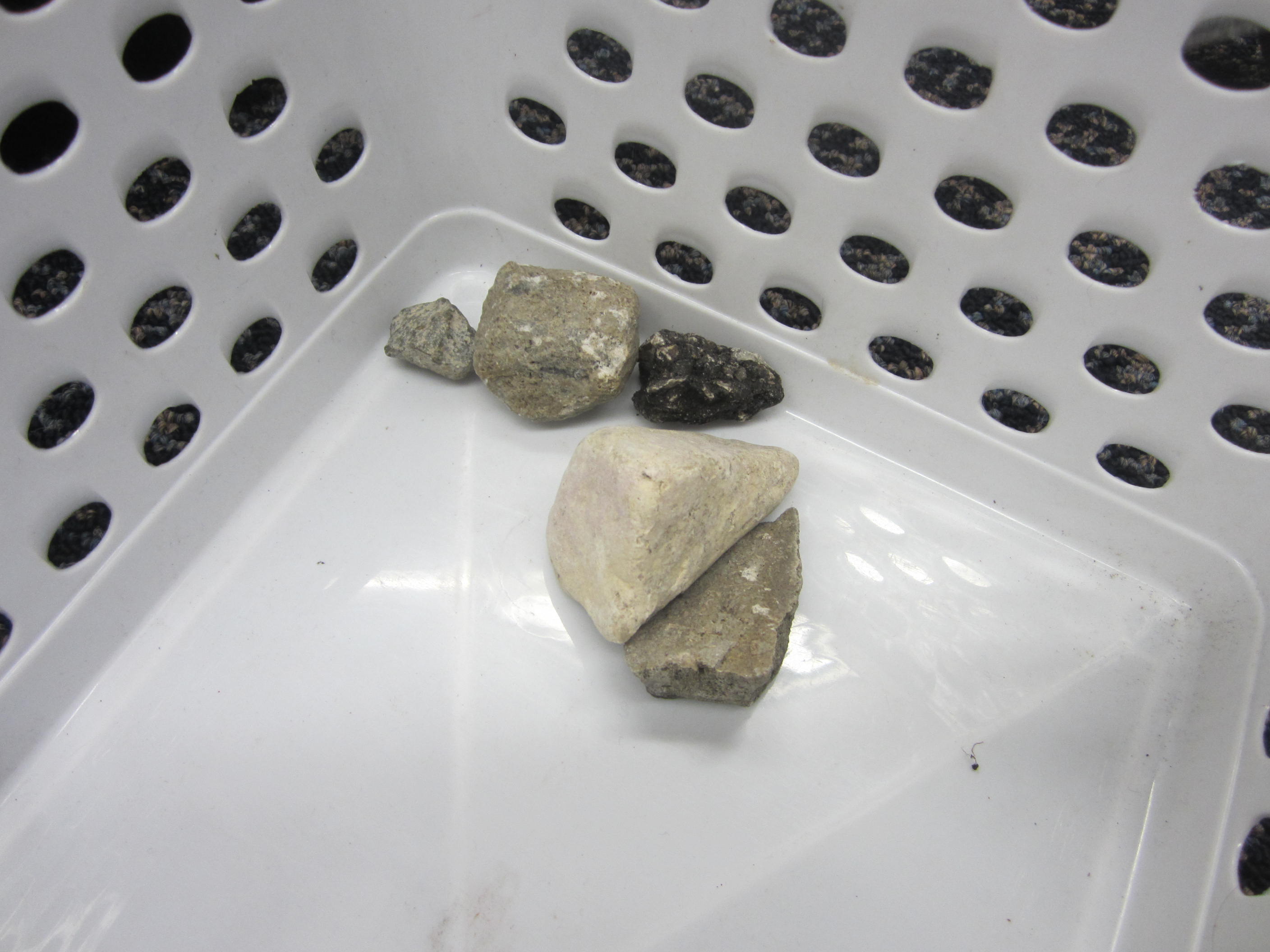
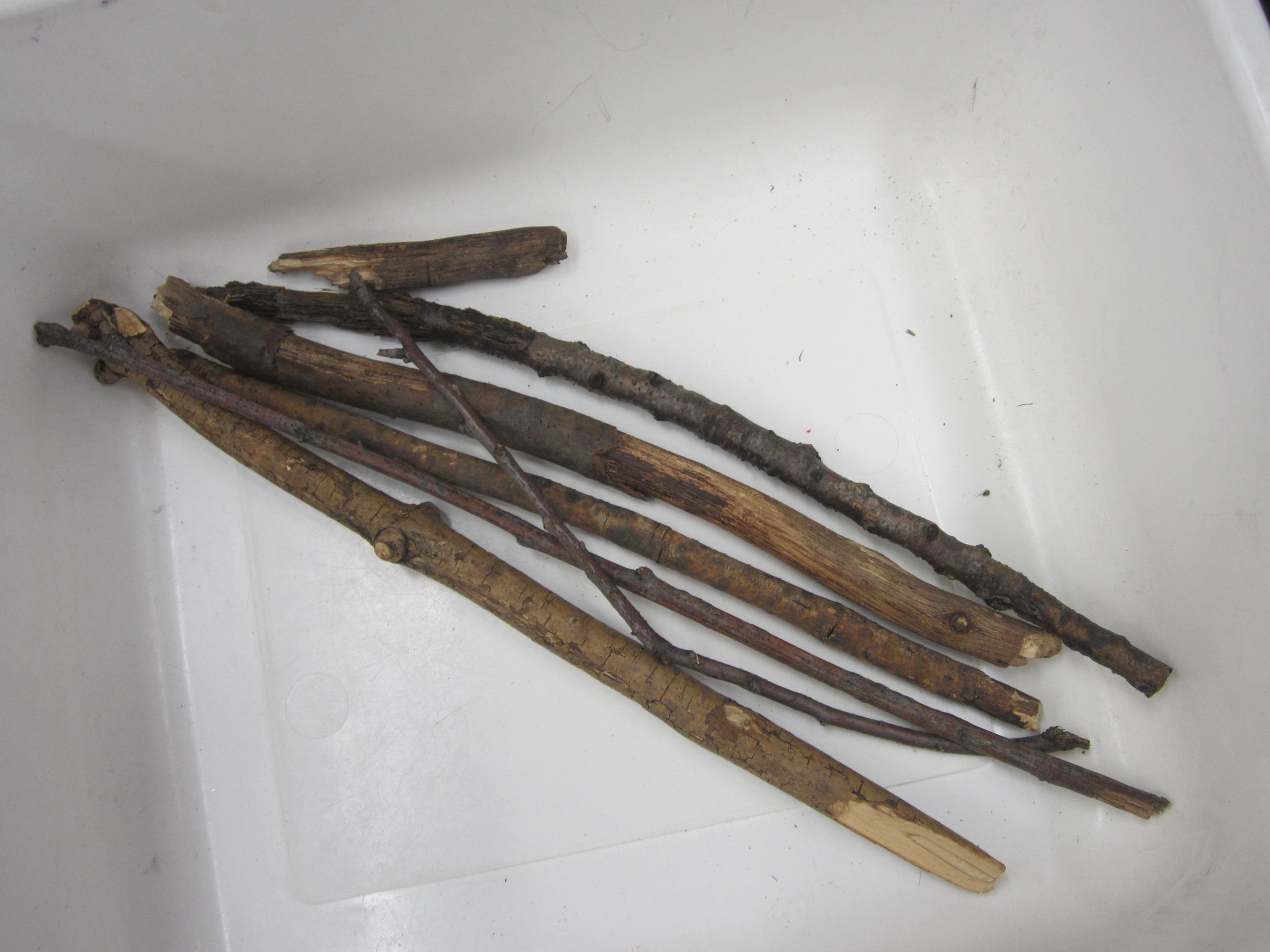
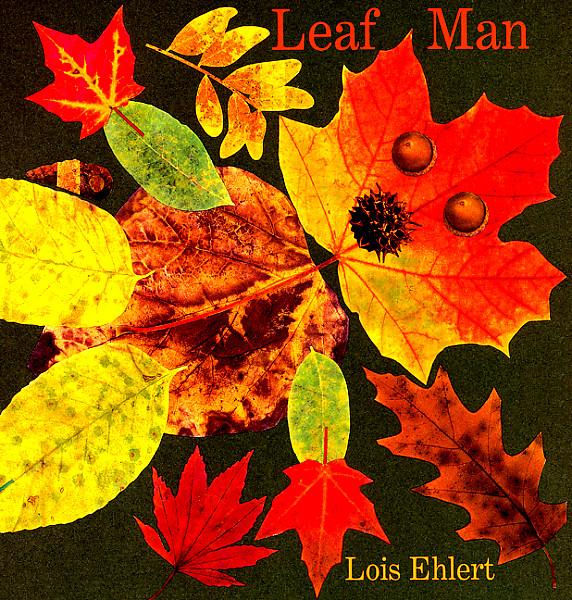

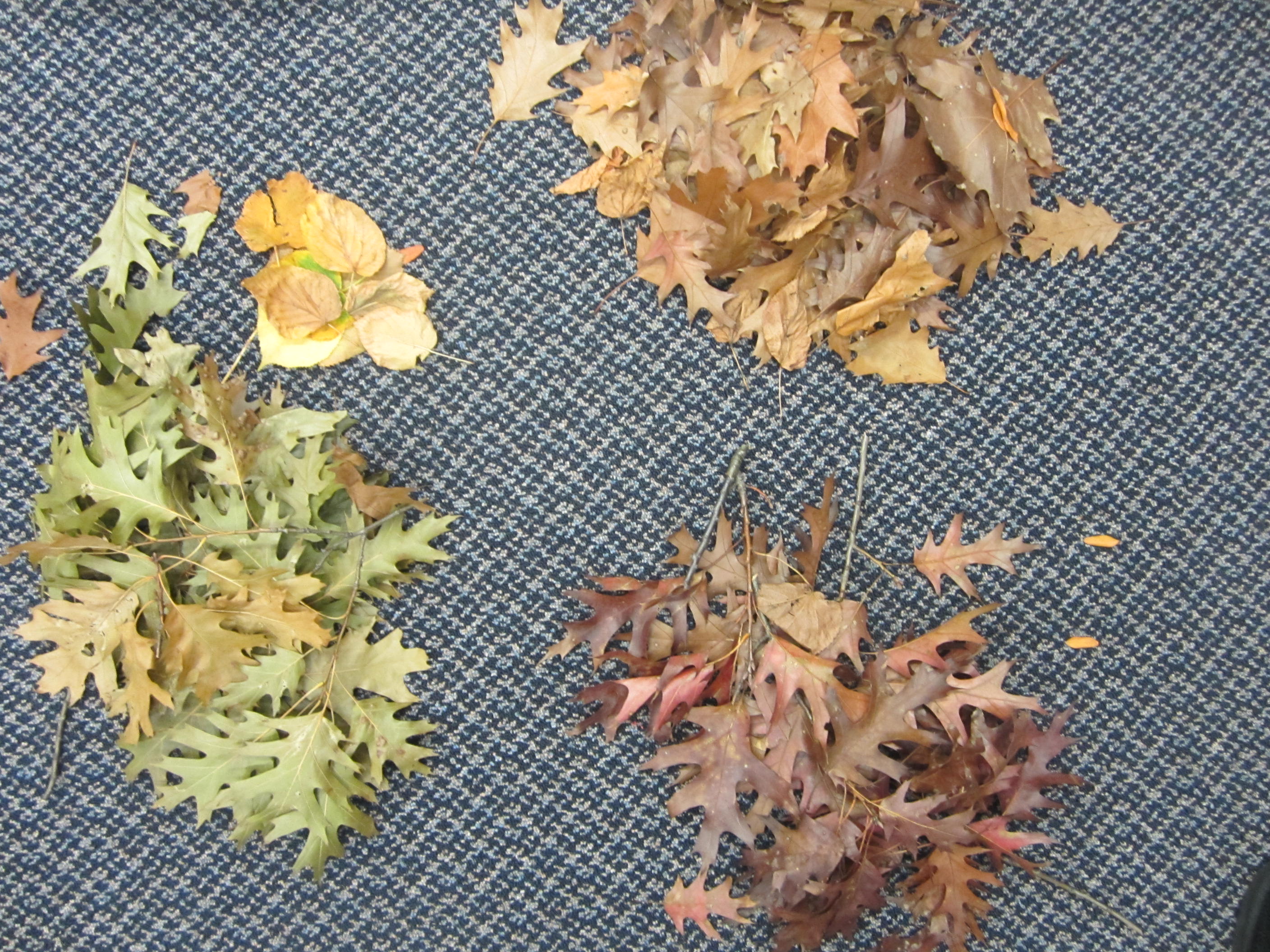
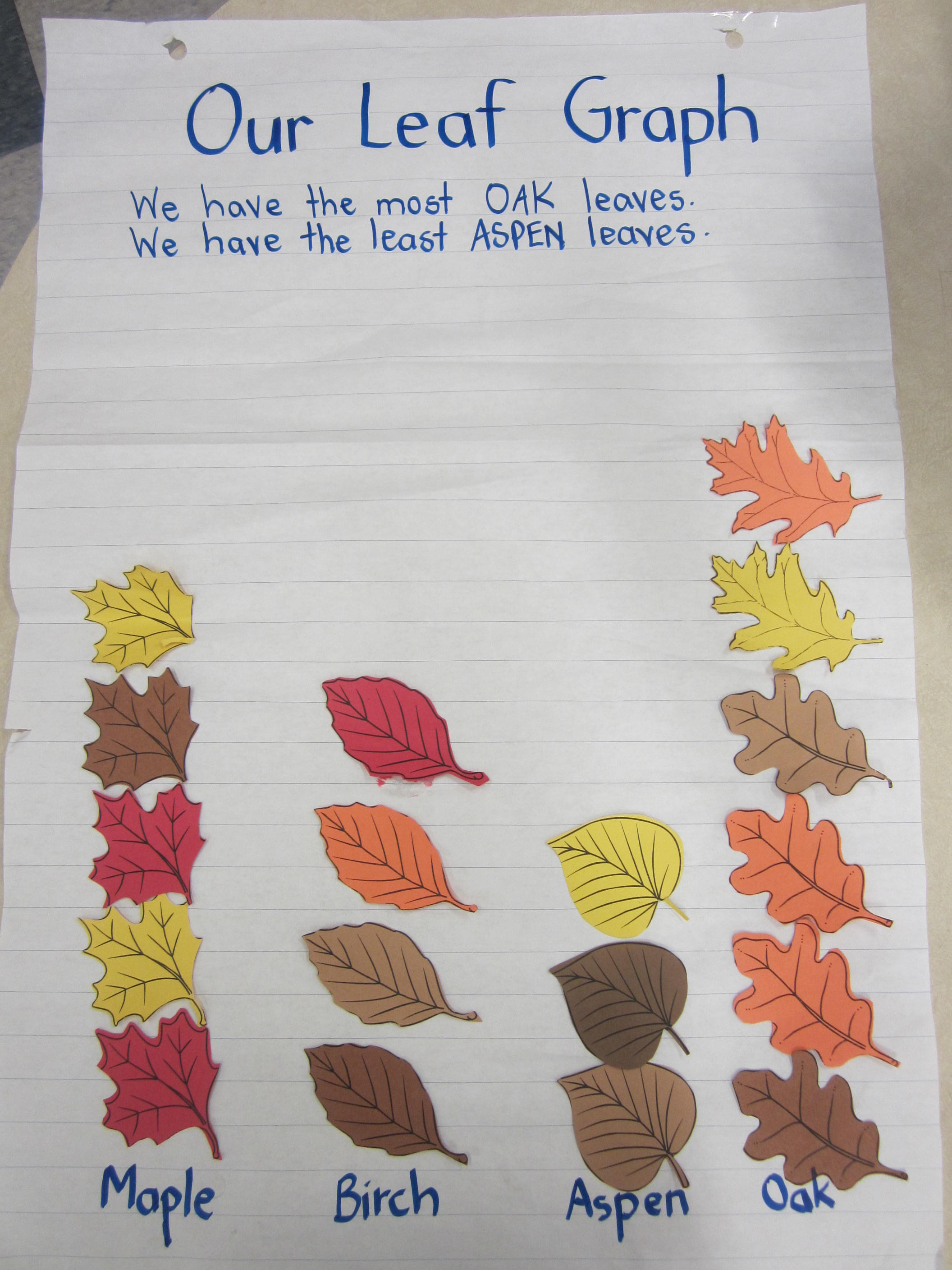
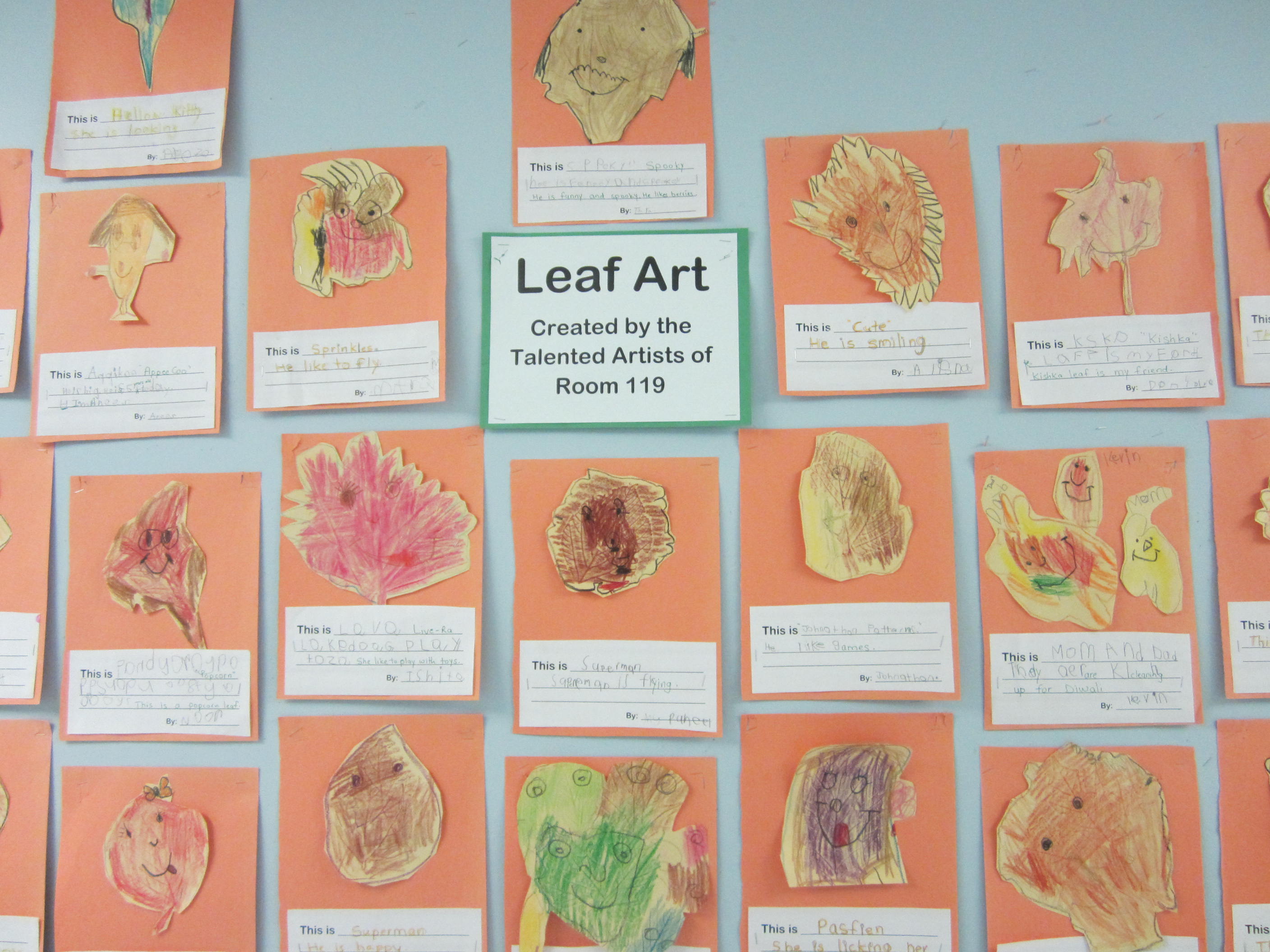
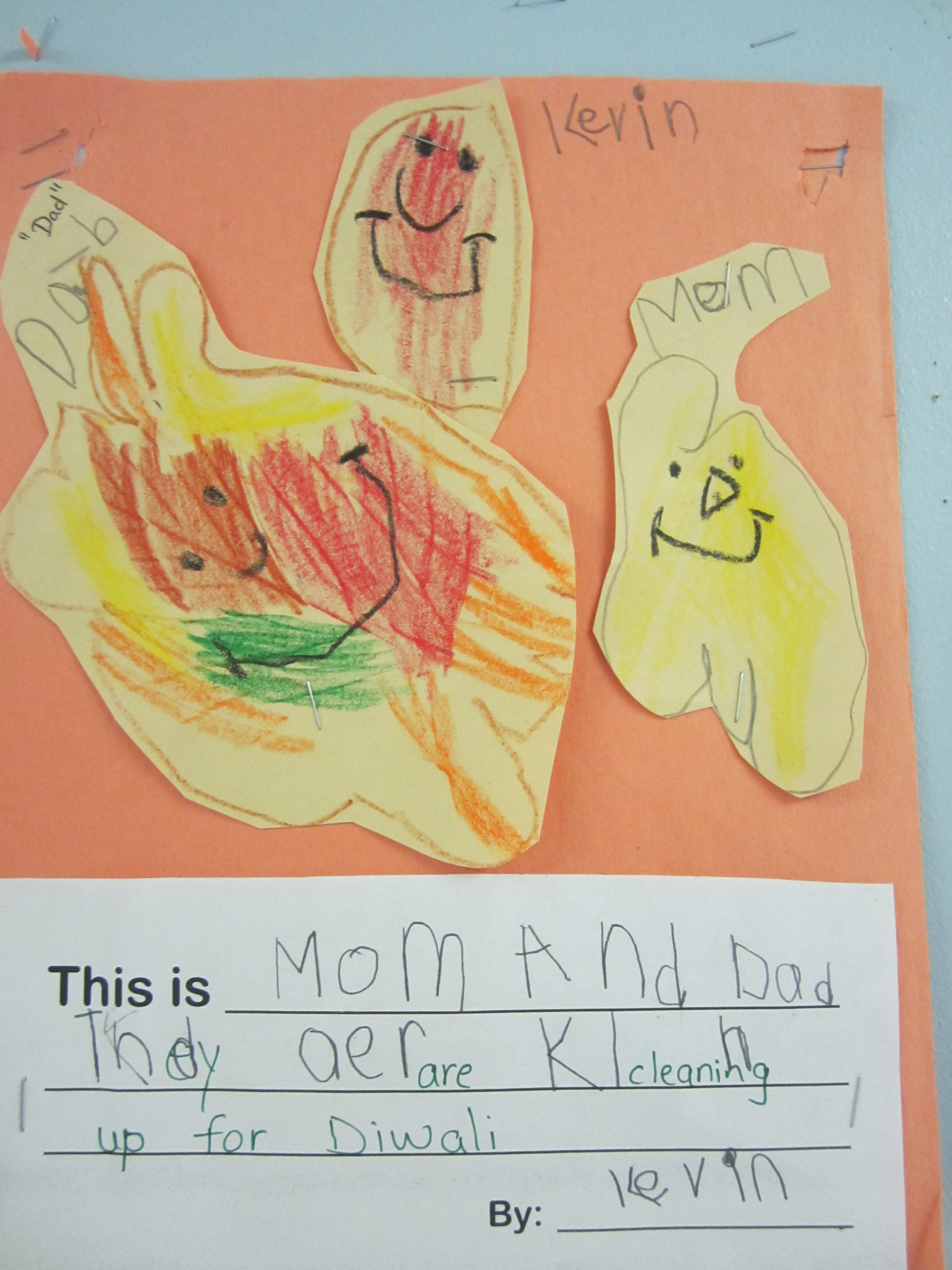
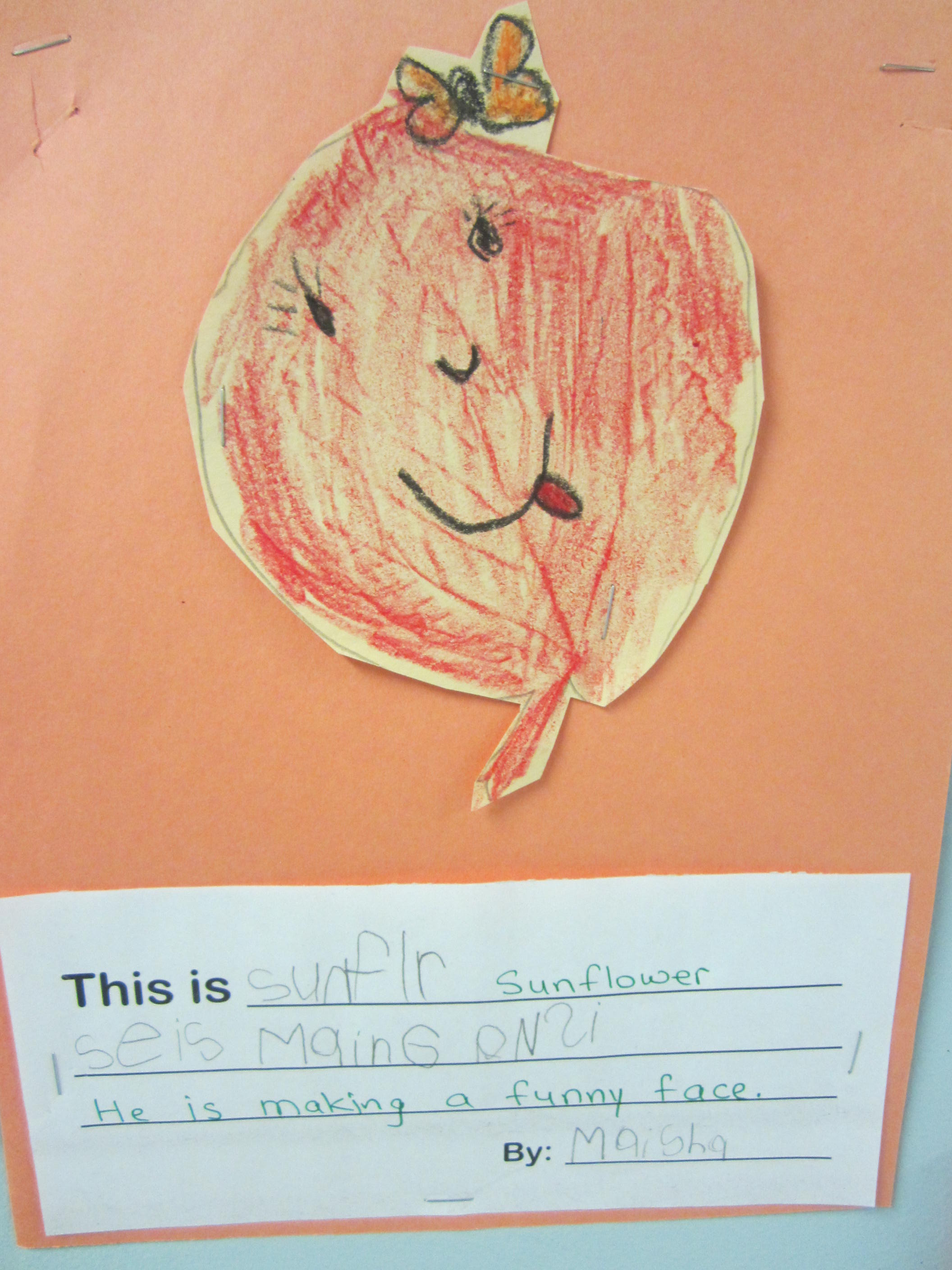
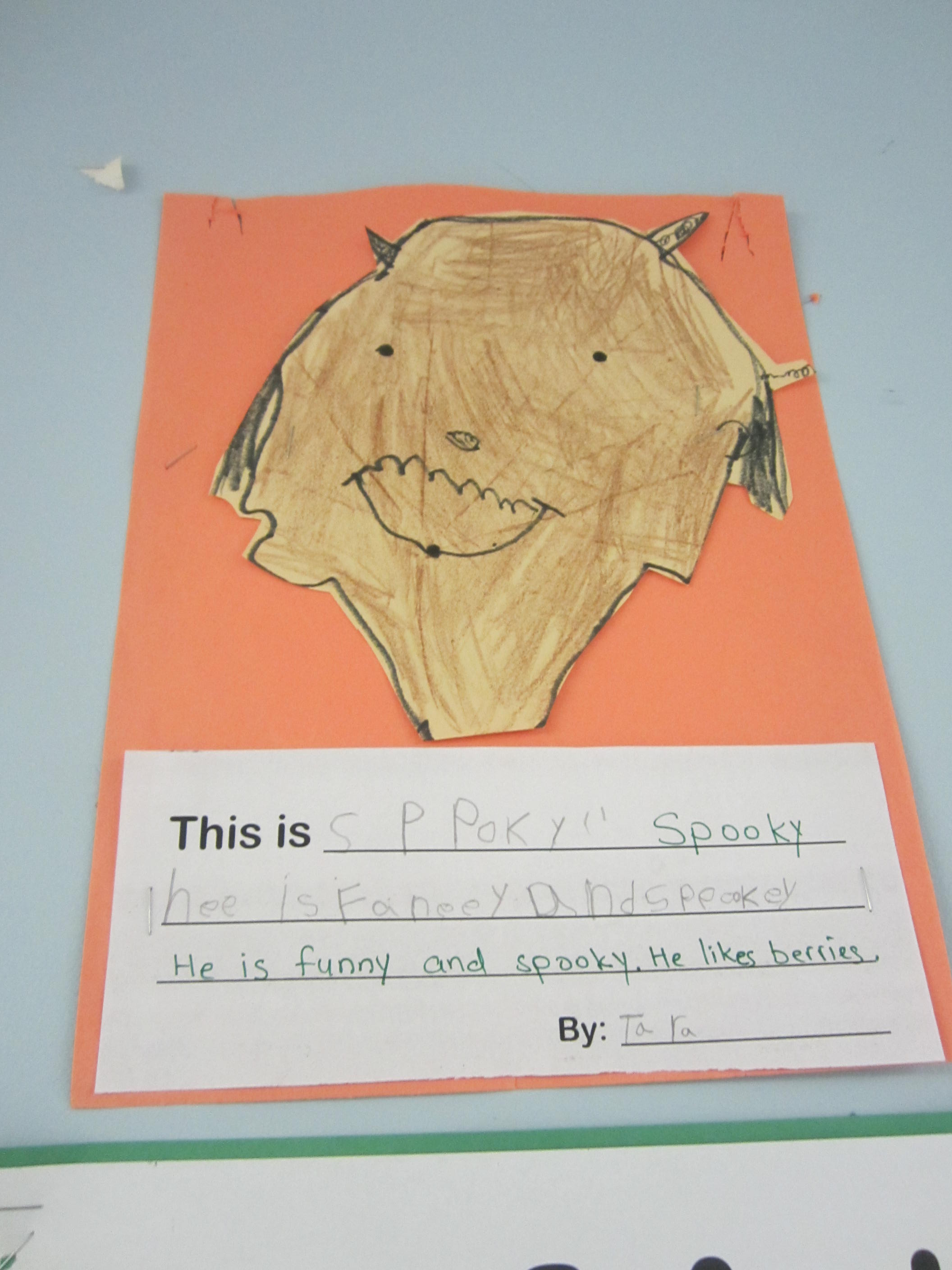
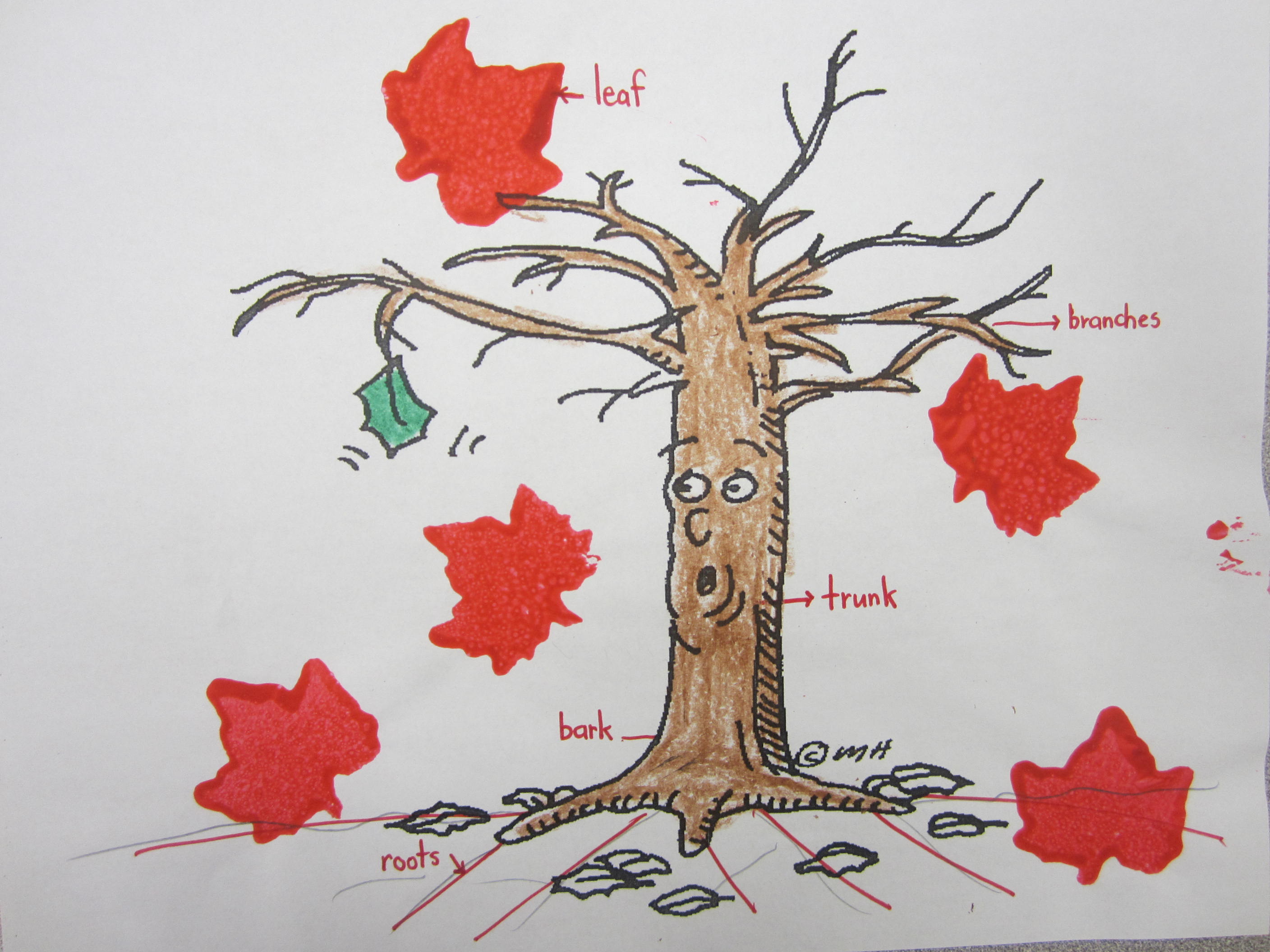
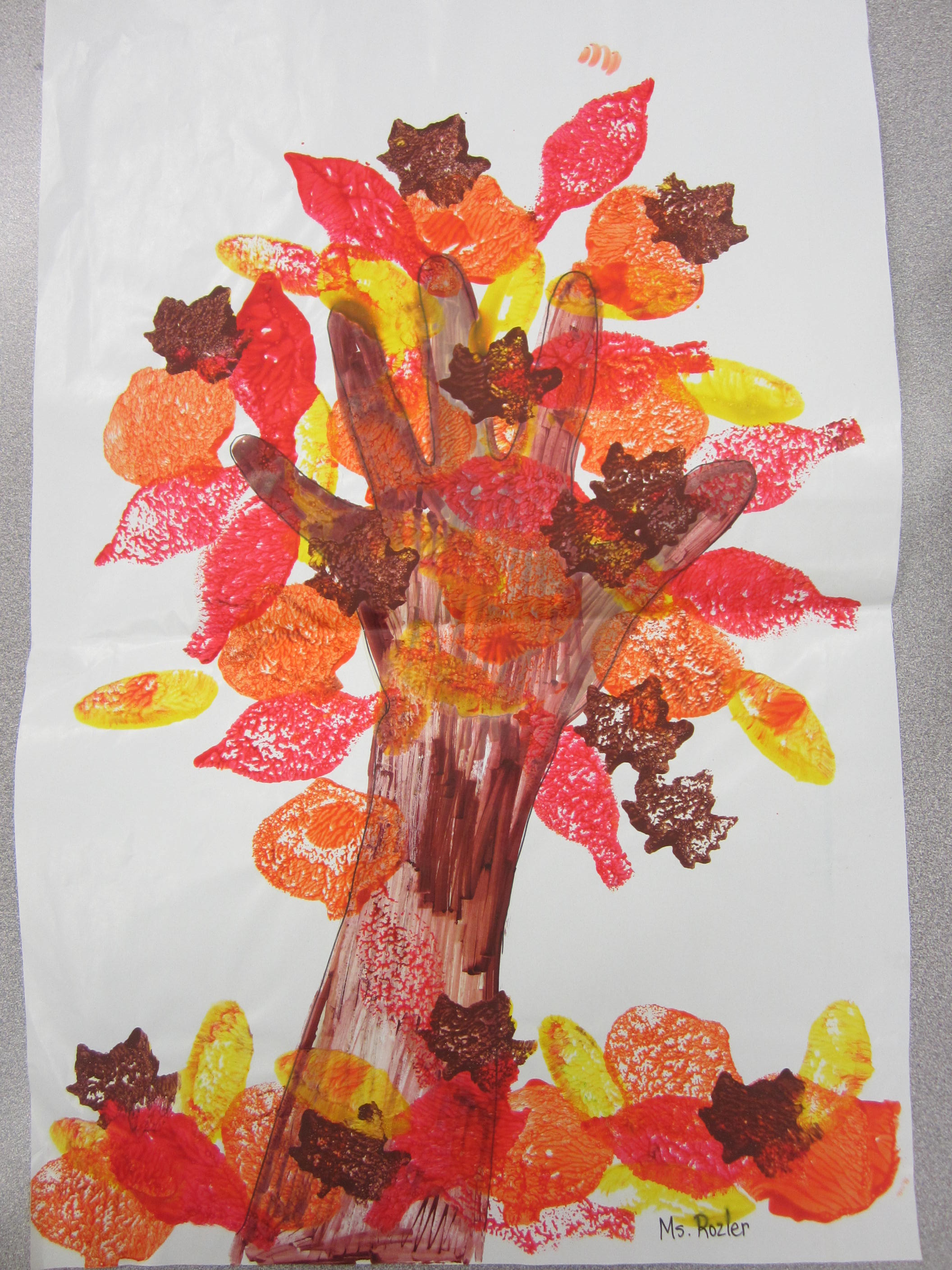
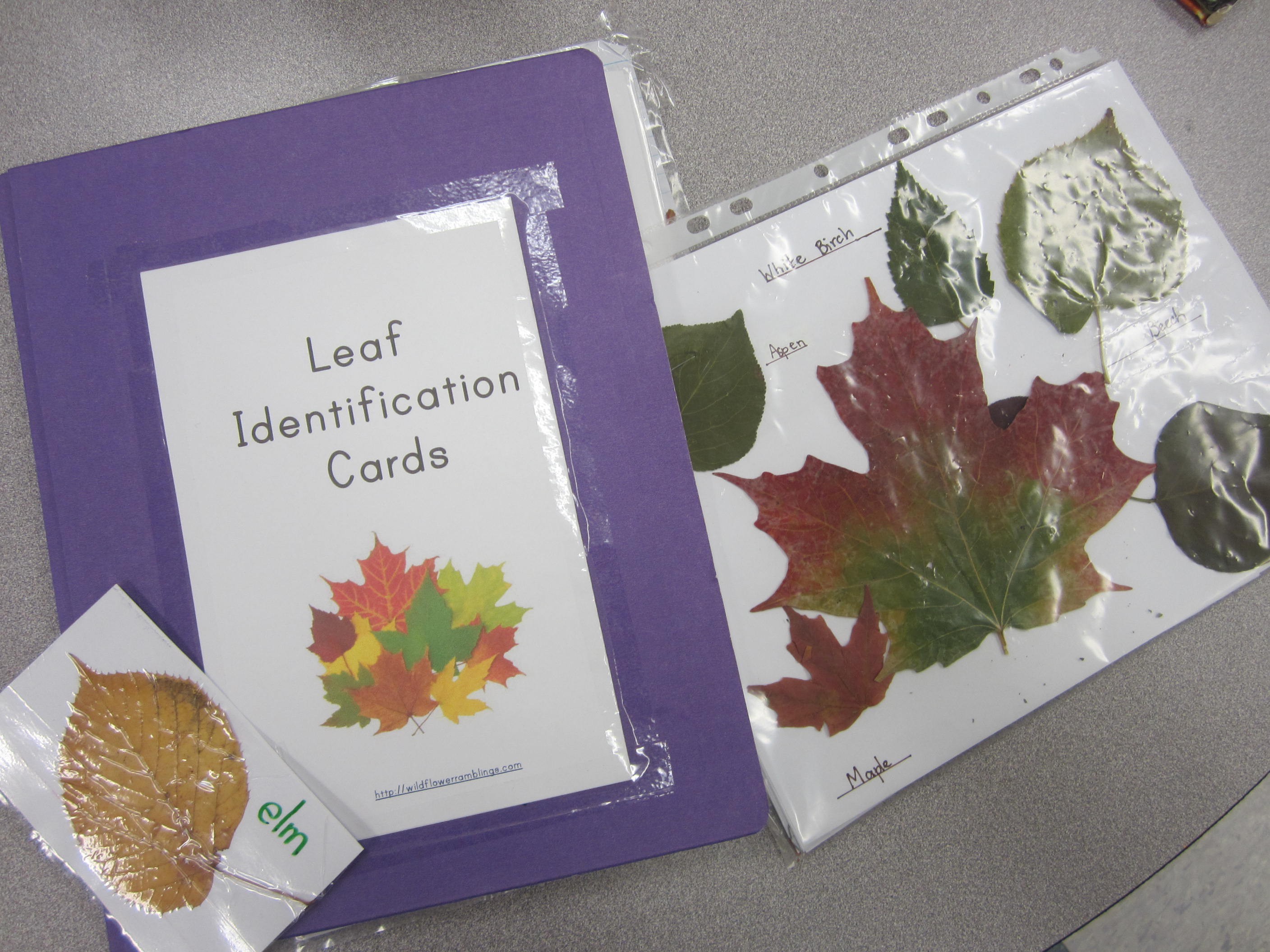
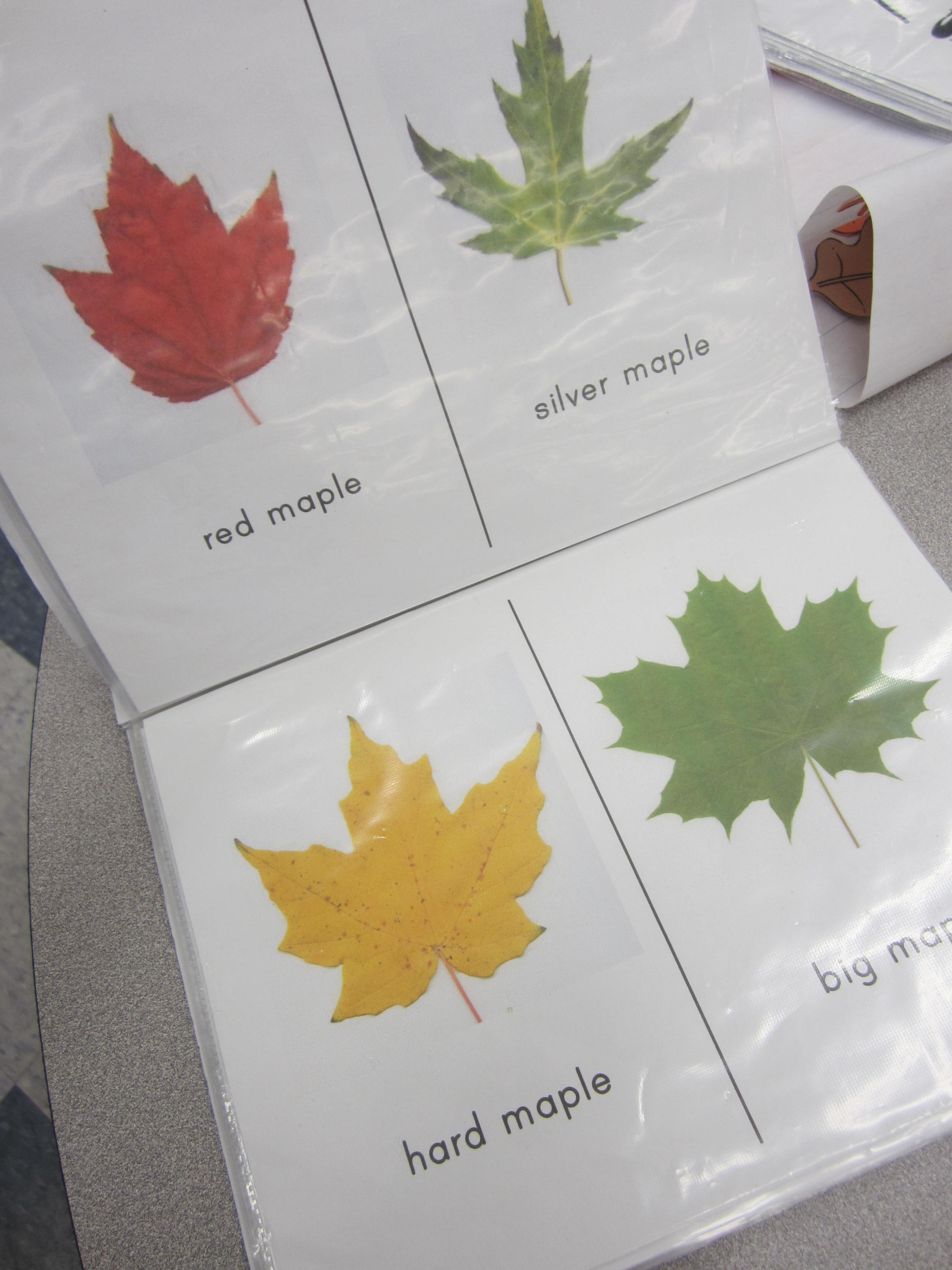
 Though I generally have an overall sense of where I’d like an inquiry based opportunity to lead, I can never truly predict how vast or fruitful it will grow to be. It is the students’ curiosity and eagerness that determines the direction and range of learning. Regardless, I am always pleasantly surprised and excited to see where each inquiry will take us.

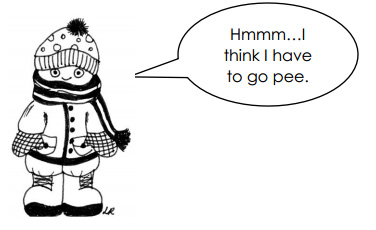
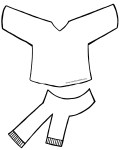
 Winter Dress-Up
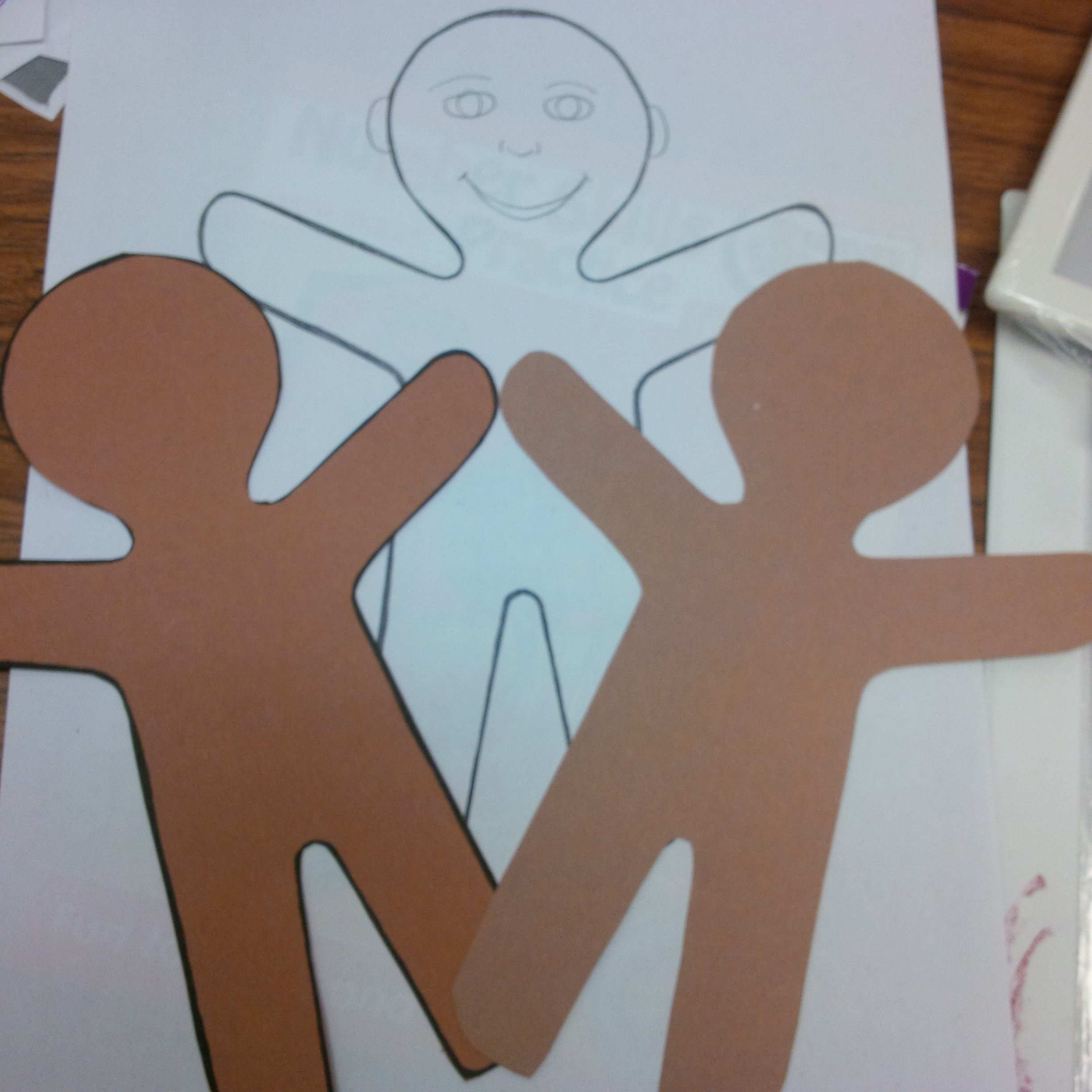
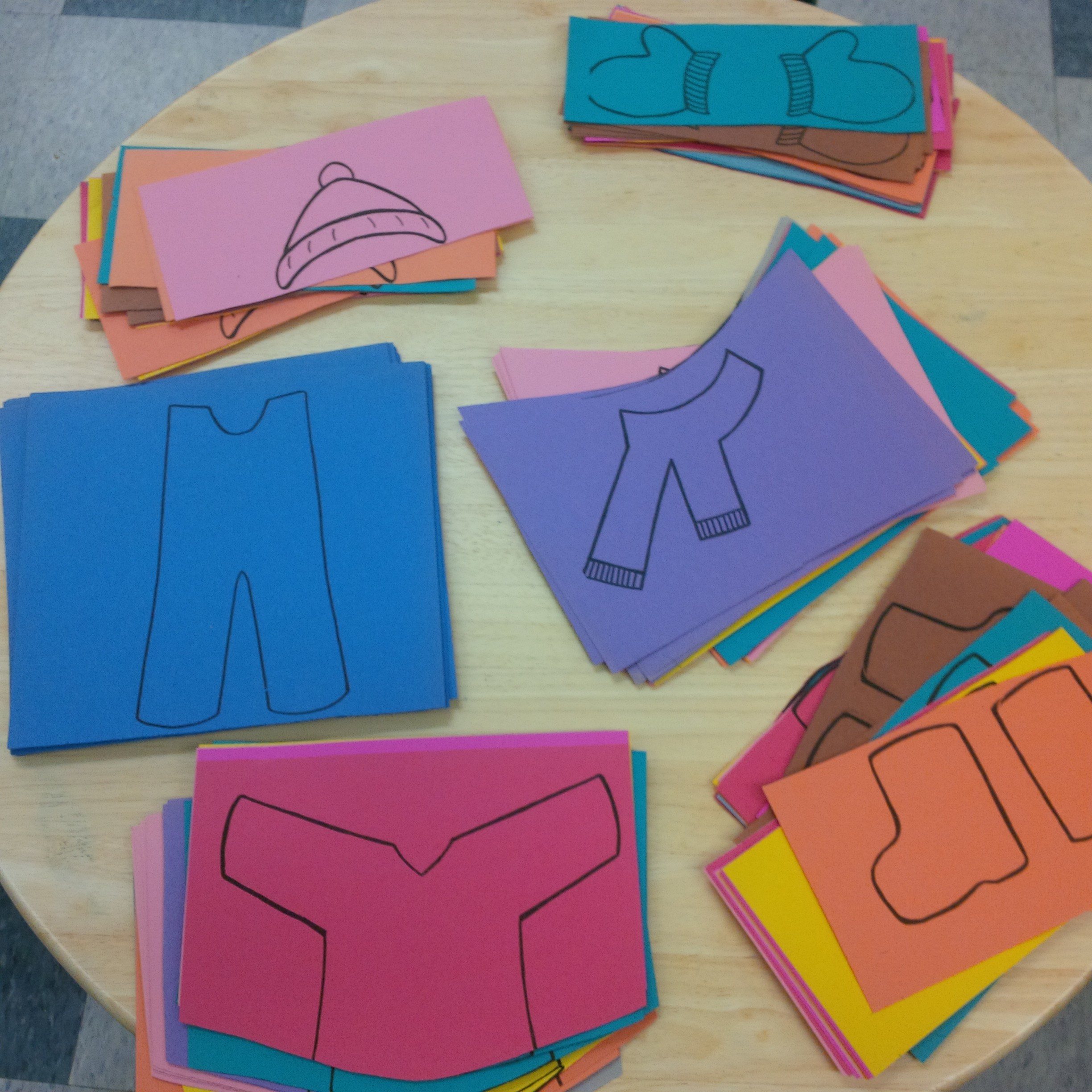
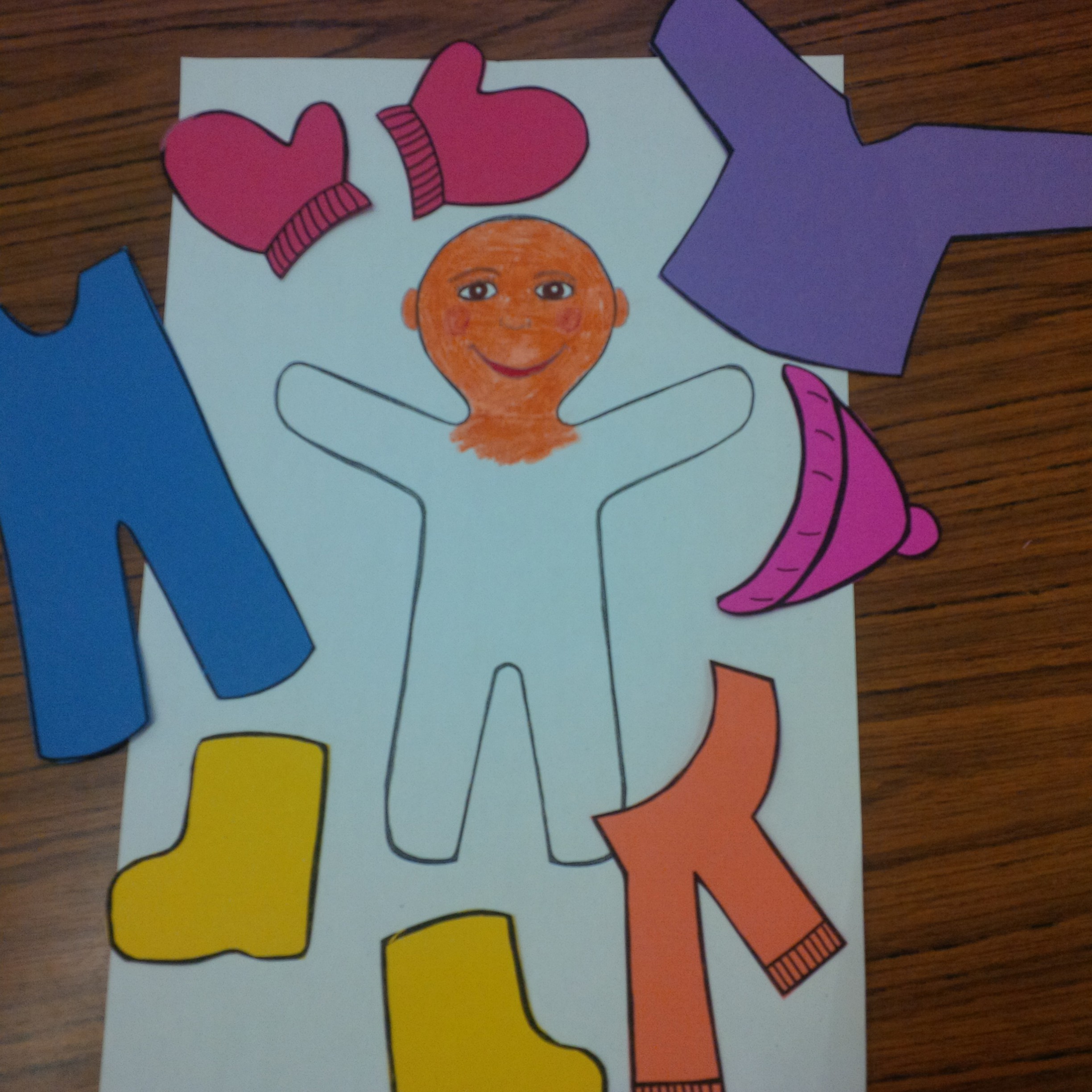
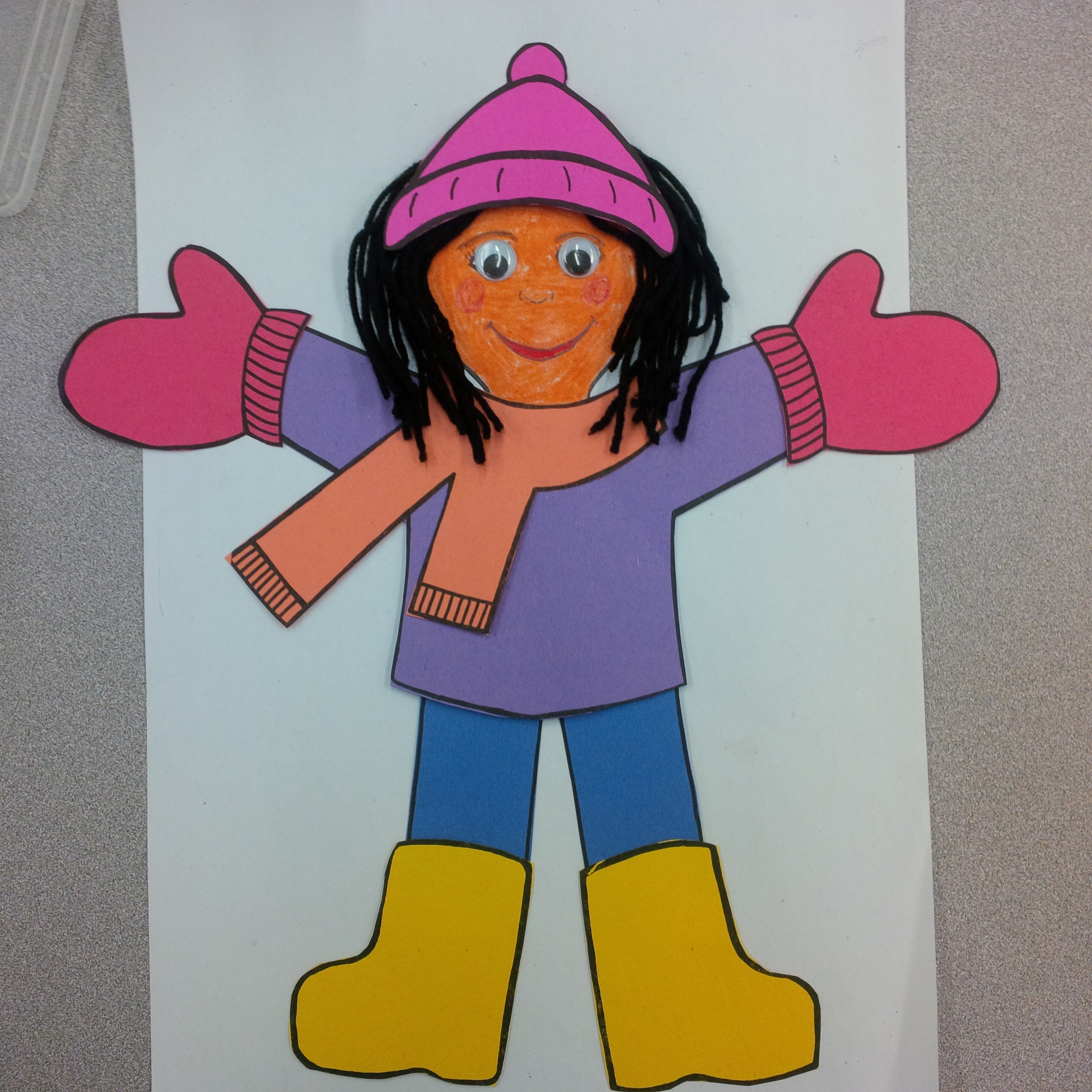


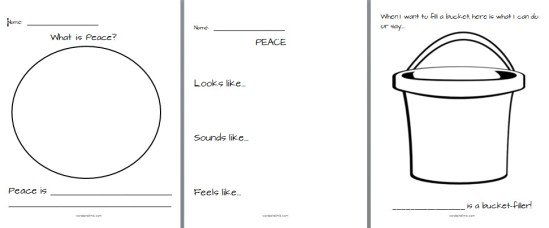
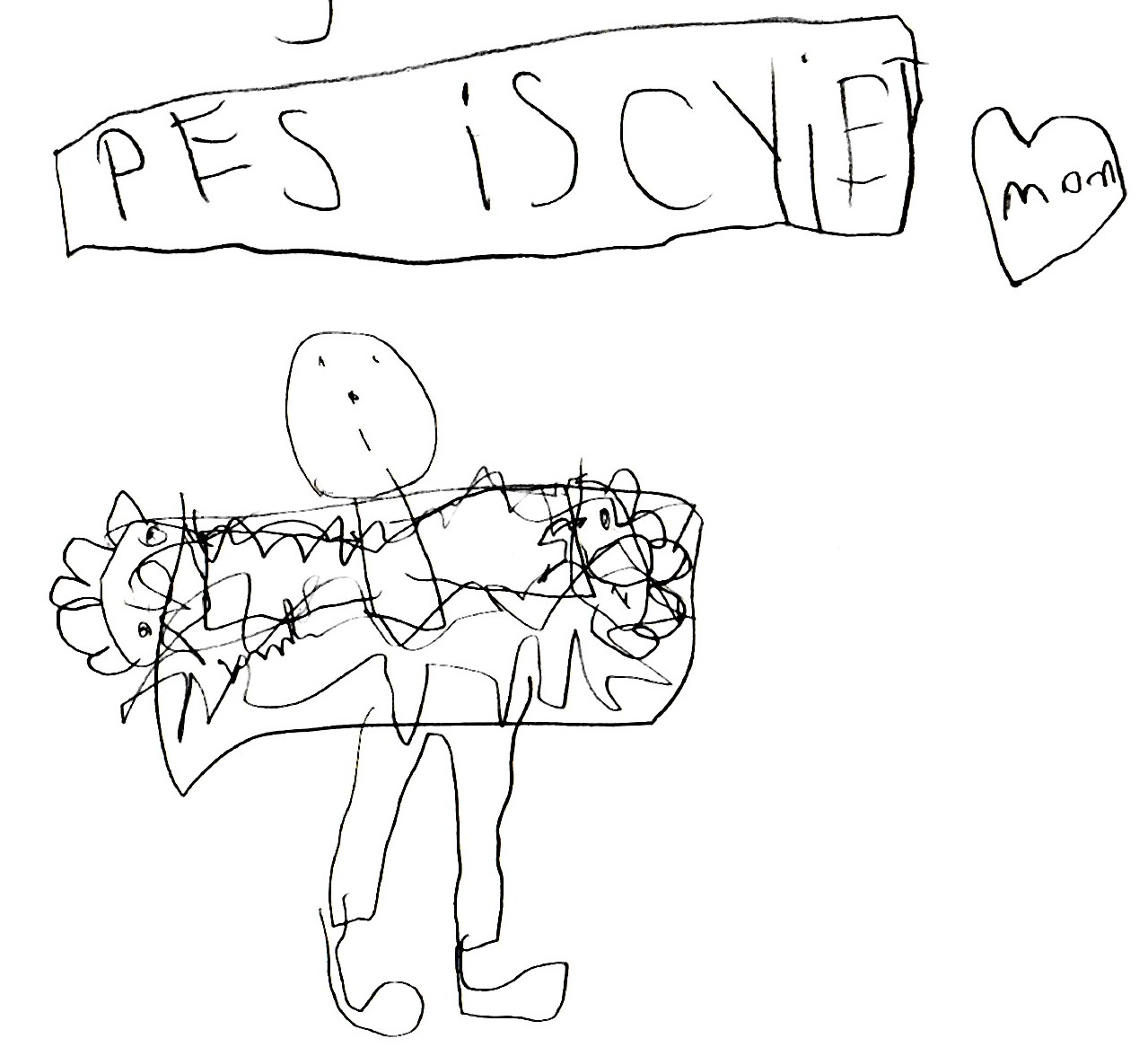
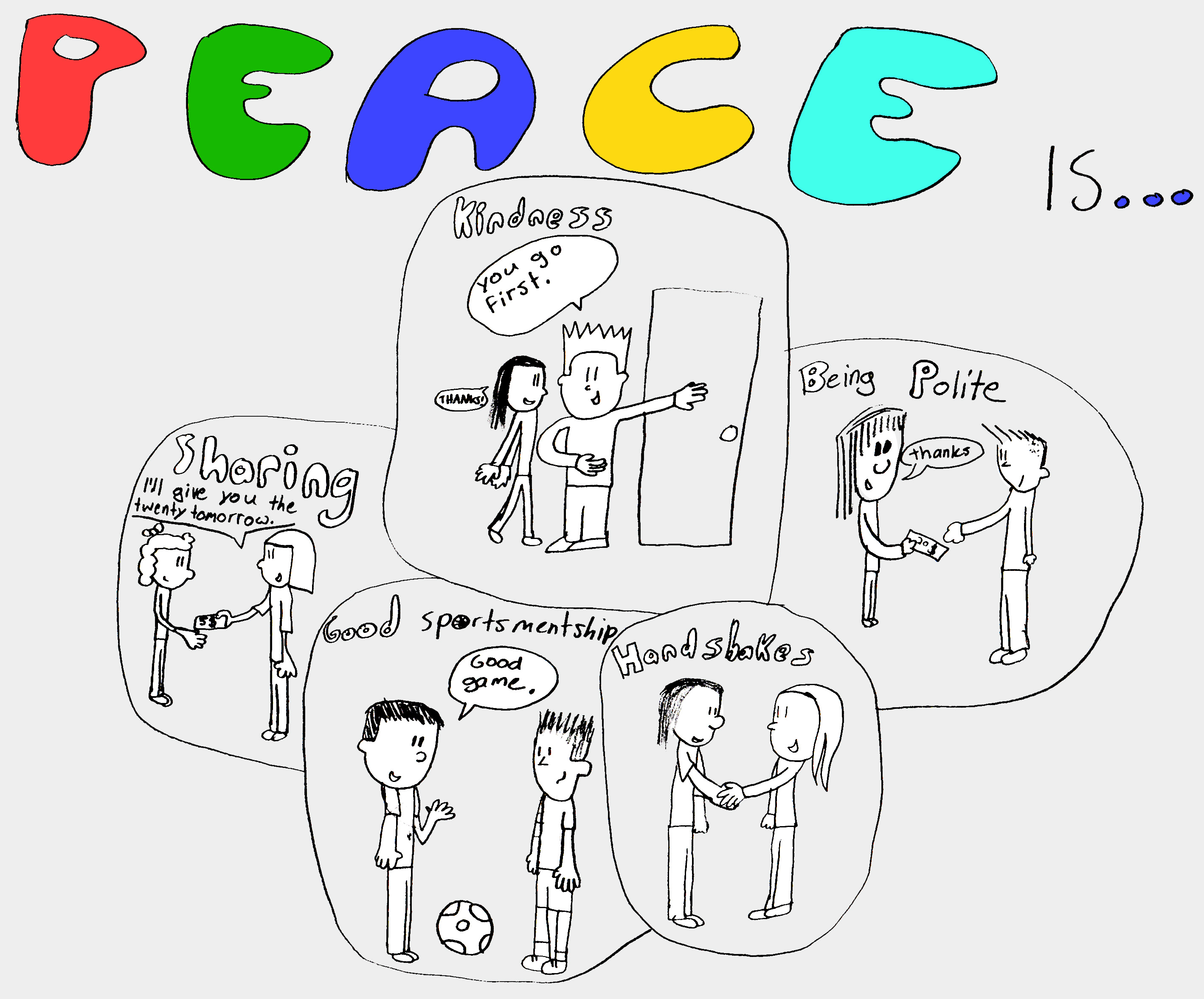
 As we commemorate Remembrance Day and pay tribute to those who have fallen to give us the life we enjoy today, it is important to think about our role in maintaining that peace every day; whether it be on a global scale or in the minutia of our daily lives. As a teacher, this becomes a vital teaching opportunity to inject lessons about peace, love and acceptance through activities that foster friendship and respect.



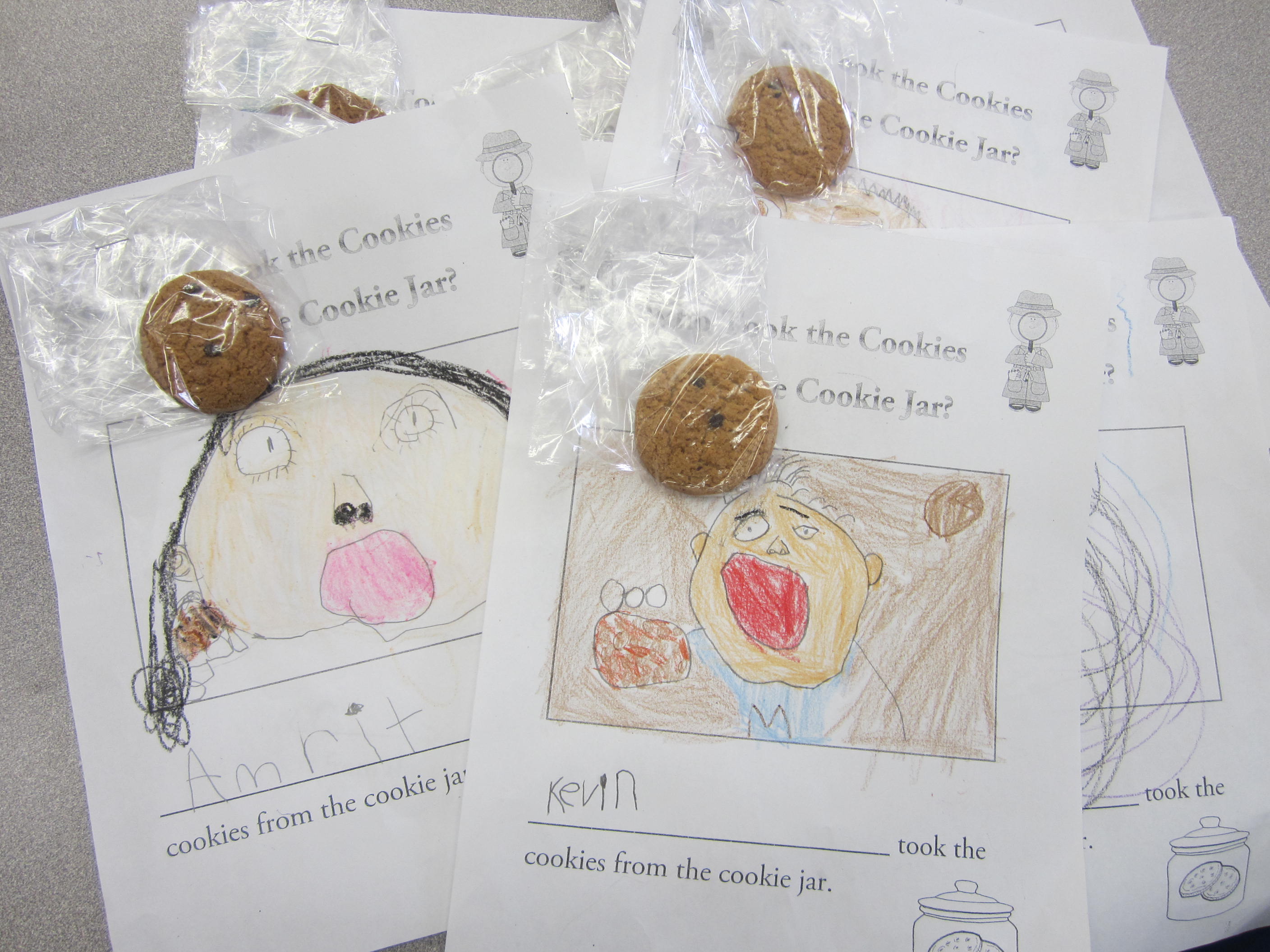
 templates so that each student has one with their name written on the back (you may want to invite students who are able to write their name independently, to do so prior to beginning). Place all the cookies in a jar and with all the students sitting in a circle, introduce the song,
 The jar can then be put to further use by placing it somewhere in the room for students to access during Centre/Play time. Depending on the various skills you introduced with the activity, students may want to explore some of them independently or in a small group (i.e., counting, sorting, etc.).

 Words On A Limb